Fashion
Blazertje: How This Stylish Layer Elevates Every Outfit

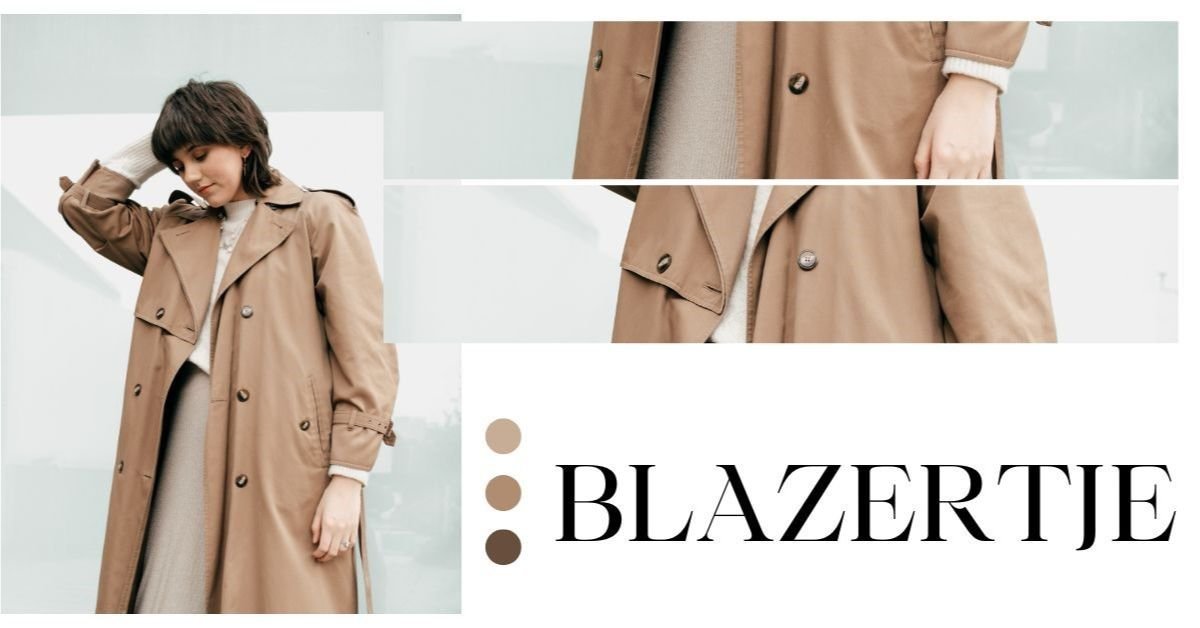
A blazertje might just be the unsung hero of your wardrobe. Lightweight, versatile, and effortlessly chic, it’s more than just a small jacket; it’s a fashion statement that transforms even the simplest outfit. Whether layered over a casual tee or paired with tailored pants, a blazertje offers structure without stiffness, balancing comfort with elegance. Understanding how to style it and pick the right fit can elevate your everyday looks and provide endless outfit inspiration. Let’s explore why this piece deserves a spot in every closet.
The Timeless Appeal of a Blazertje
Blazertjes have a unique charm that makes them timeless. Unlike heavier coats or casual jackets, they offer a clean silhouette that complements almost any outfit. Their appeal lies in the subtle way they enhance form without overpowering other pieces. When you slip on a blazertje, it instantly adds polish, making even a basic jeans-and-tee combo look intentional and refined.
The versatility of a blazertje also contributes to its enduring popularity. It can transition from day to night effortlessly, fitting both office environments and casual meet-ups. The lightweight fabric ensures that it works in various climates, giving the wearer flexibility without sacrificing style.
Moreover, the blazertje adapts to fashion trends while remaining classic. Designers continue to experiment with colors, cuts, and textures, yet the fundamental structure stays recognizable. This makes it a reliable investment piece that remains stylish year after year, resisting fleeting fashion fads.
Will You Check This Article: Software Keepho5ll: A Practical User Guide
Choosing the Right Fit
Finding the perfect blazertje starts with understanding your body shape. The right fit enhances your natural silhouette without feeling restrictive. Shoulders should align with your own, while sleeves and body length offer comfort and proportion. A tailored fit makes the piece look intentional, while a slightly oversized one can create a modern, relaxed vibe.
Fabric choice also impacts fit and feel. Lightweight wool, cotton blends, or linen options drape differently, influencing how the blazertje contours to your body. Stiffer fabrics offer a sharper appearance, while softer materials move naturally, giving a more casual impression.
Finally, trying different cuts is crucial. Single- or double-breasted styles, cropped or longer versions, each create a different aesthetic. Experimenting with these variations helps determine what works best for your wardrobe and personal style, ensuring both comfort and confidence.
Styling for Everyday Wear
In everyday outfits, a blazertje shines as a versatile layering tool. It pairs seamlessly with jeans, skirts, or casual dresses, adding polish without overcomplicating the look. Light neutral colors are ideal for mixing with existing pieces, while bolder shades make a simple outfit pop.
Accessorizing enhances the style effortlessly. A patterned scarf, statement necklace, or minimalist watch can elevate the ensemble, while keeping the blazertje as the anchor piece. This balance of subtlety and detail allows you to create a cohesive look without overwhelming your outfit.
Comfort should never be sacrificed for style. Pairing a soft blazertje with flexible fabrics underneath ensures mobility, especially for long days or active schedules. This combination keeps you looking put-together while staying practical for everyday demands.
Dressing Up with a Blazertje
A blazertje is surprisingly effective for dressing up. Pairing it with tailored pants or a pencil skirt immediately elevates your appearance. Its structured silhouette provides a polished frame, lending professionalism to your outfit without feeling rigid or formal.
Adding layers like a silk blouse or fitted turtleneck amplifies the elegance, creating dimension while maintaining a streamlined profile. The subtle textures and colors of these pieces complement the blazertje, ensuring a cohesive, sophisticated look.
Even in evening settings, the blazertje can shine. Choose darker tones or metallic accents, and pair with dressier shoes or accessories. This makes the piece versatile for dinners, social gatherings, or even semi-formal occasions, demonstrating its adaptability beyond casual wear.
Color and Pattern Considerations
Color choice dramatically affects how a blazertje integrates into your wardrobe. Neutrals like black, beige, or navy act as foundational pieces, allowing for multiple combinations with ease. These shades are practical and timeless, ideal for those who value a minimalist aesthetic.
Patterns can inject personality. Checks, houndstooth, or subtle stripes make a blazertje a statement without being overpowering. Incorporating patterns works well when paired with simple underlying outfits, creating balance between interest and restraint.
Seasonal colors also play a role. Lighter pastels in spring and summer convey freshness, while deeper tones in autumn and winter evoke warmth. Thoughtful selection of colors ensures your blazertje complements the mood and season, enhancing versatility and style impact.
Layering Techniques
Layering with a blazertje is an art that combines practicality and aesthetics. Over thin tops or dresses, it adds structure and visual interest. Under heavier coats, it provides warmth and a polished intermediate layer without bulk, allowing for smooth transitions between outfits.
Mixing textures in layers elevates the look. Pairing smooth fabrics with knits, leather, or silk creates depth and sophistication. This layering approach prevents the outfit from appearing flat while highlighting the blazertje as a key piece.
Additionally, consider proportions. Cropped blazertjes over longer shirts or tunics create a playful contrast, while longer blazertjes over fitted pants elongate the frame. Experimenting with proportions lets you achieve flattering silhouettes and keeps styling fresh and engaging.
Maintaining Your Blazertje
Proper care ensures your blazertje remains stylish for years. Fabric-specific washing or dry-cleaning extends longevity, preserving shape and color. Light brushing or steaming removes minor wrinkles and maintains a crisp appearance between wears.
Storage also matters. Hanging on a sturdy hanger prevents shoulder deformation, while avoiding overcrowded closets helps maintain structure. Folding or compacting can create creases that are difficult to remove, so careful storage is essential for upkeep.
Attention to minor repairs like loose buttons or stitching prolongs the garment’s life. Addressing these issues early prevents further damage, ensuring your blazertje continues to look polished and wearable over multiple seasons.
Conclusion: Why Every Wardrobe Needs a Blazertje
A blazertje is more than a jacket—it’s a wardrobe transformer. Its versatility, timeless appeal, and effortless elegance make it a key piece for anyone seeking practical yet stylish outfits. Investing in a well-fitting blazertje pays off in daily wear and special occasions alike.
From casual layering to elevated ensembles, the blazertje adapts to nearly every style scenario. With proper care, thoughtful color selection, and attention to fit, it becomes an essential piece that enhances confidence and outfit cohesion.
Ultimately, embracing a blazertje means embracing both style and function. It’s a subtle statement of sophistication, practicality, and timeless charm that every fashion-conscious individual can appreciate.
Read More: Dollartimes.co.uk

Color has the power to shape emotions, define spaces, and tell stories without a single word. Whether you’re redesigning a home, upgrading a workspace, or simply exploring new décor ideas, color tiles offer a versatile and visually striking solution. These small yet impactful elements can completely transform the look and feel of any environment. From bold statement patterns to subtle minimalist tones, they allow you to express personality and creativity effortlessly. In today’s design world, color tiles are not just functional—they are an artistic medium that blends beauty with practicality in every corner they touch.
The Evolution of Color Tiles in Interior Design
Color tiles have come a long way from their traditional roots, evolving into a modern design staple that blends functionality with aesthetic appeal. Historically, tiles were primarily used for durability and ease of maintenance, especially in kitchens and bathrooms. However, over time, designers began experimenting with pigments, patterns, and finishes, transforming these simple elements into decorative masterpieces. Today, they are a defining feature in contemporary interiors, offering endless customization options that cater to every taste and style.
Modern manufacturing techniques have revolutionized the way tiles are produced, allowing for a broader range of hues, textures, and designs. From matte finishes to glossy surfaces and even 3D patterns, the possibilities are virtually limitless. Designers now use tiles not only for flooring but also for walls, backsplashes, and even ceilings. This shift reflects a growing appreciation for artistic expression in everyday spaces, where tiles play a crucial role in enhancing visual appeal while maintaining practicality.
Will You Check This Article: Tinyzone Free Movie Streaming Site Insights
Choosing the Right Color Tiles for Your Space
Selecting the perfect tiles involves more than just picking a color you like; it requires a thoughtful approach to ensure harmony within the space. Factors such as lighting, room size, and existing décor all influence how a particular shade will appear once installed. For smaller rooms, lighter tones can create an illusion of openness, while darker shades add depth and sophistication to larger areas. Understanding these nuances helps in making informed decisions that elevate the overall ambiance.
Additionally, it’s essential to consider the purpose of the room when choosing tiles. For instance, vibrant and energetic colors may be suitable for living areas or creative spaces, while softer, neutral tones are ideal for bedrooms or relaxation zones. Combining different shades and patterns can also create unique visual effects, adding character and personality. By carefully balancing these elements, you can achieve a cohesive design that reflects both functionality and style.
Popular Materials and Finishes in Modern Tiles
The variety of materials available today plays a significant role in the versatility of tiles. Ceramic and porcelain remain the most popular choices due to their durability and affordability. These materials are available in a wide range of finishes, from polished to textured, allowing homeowners to customize their spaces according to their preferences. Natural stone options like marble and granite offer a luxurious touch, while glass tiles add a sleek and contemporary feel.
Each material comes with its own set of advantages, making it important to choose based on the specific needs of the space. For example, porcelain tiles are highly resistant to moisture and stains, making them ideal for bathrooms and kitchens. On the other hand, natural stone requires more maintenance but provides a timeless elegance that is hard to replicate. Understanding these characteristics ensures that your choice not only enhances aesthetics but also meets practical requirements.
Creative Patterns and Layout Ideas for Tiles
One of the most exciting aspects of using tiles is the opportunity to experiment with patterns and layouts. From classic grid arrangements to intricate mosaics, the design possibilities are endless. Herringbone and chevron patterns have gained popularity for their dynamic visual appeal, while geometric designs offer a modern and sophisticated look. Mixing different shapes and sizes can also create a unique and personalized aesthetic.
Incorporating creative layouts allows you to highlight specific areas within a space, such as a feature wall or a backsplash. This approach adds depth and interest, making the design more engaging and visually appealing. Additionally, combining contrasting colors can create striking patterns that serve as a focal point. By exploring various layout options, you can transform ordinary surfaces into captivating works of art that reflect your individual style.
Benefits of Using Color Tiles in Home Design
The advantages of incorporating tiles into your home extend beyond aesthetics. One of the primary benefits is their durability, as they are resistant to wear and tear, making them suitable for high-traffic areas. They are also easy to clean and maintain, which is particularly important in spaces like kitchens and bathrooms. This combination of practicality and beauty makes them a preferred choice for homeowners and designers alike.
Another significant benefit is their versatility, as they can be used in a variety of applications, from flooring to wall coverings. This flexibility allows for seamless integration across different areas of a home, creating a cohesive design. Additionally, tiles are available in a wide range of price points, making them accessible to different budgets. Whether you are aiming for a luxurious look or a simple yet elegant design, tiles offer solutions that cater to diverse needs.
Maintenance and Care for Long-Lasting Appeal
Proper maintenance is essential to preserve the beauty and functionality of tiles over time. Regular cleaning with mild detergents helps prevent the buildup of dirt and grime, ensuring that the surface remains fresh and vibrant. It is also important to address spills and stains promptly to avoid permanent damage. Using appropriate cleaning tools and techniques can significantly extend the lifespan of your tiles.
In addition to routine cleaning, periodic sealing may be required for certain materials, such as natural stone, to protect them from moisture and stains. This extra step helps maintain their appearance and durability over time. By following these simple maintenance practices, you can ensure that your tiles continue to enhance your space for years to come, retaining their original charm and elegance.
Trends Shaping the Future of Tile Design
The world of tile design is constantly evolving, with new trends emerging that redefine how we use and perceive these elements. One of the most notable trends is the use of bold and unconventional colors that make a strong visual statement. Designers are increasingly experimenting with unique combinations and patterns, pushing the boundaries of traditional design. This shift reflects a growing desire for individuality and creativity in interior spaces.
Sustainability is another key trend influencing tile production and design. Manufacturers are focusing on eco-friendly materials and processes, catering to environmentally conscious consumers. Recycled materials and energy-efficient production methods are becoming more common, aligning with global efforts to reduce environmental impact. As these trends continue to evolve, tiles will remain a central element in modern design, adapting to changing preferences and lifestyles.
Conclusion
Incorporating color tiles into your design is more than just a decorative choice—it is an investment in style, functionality, and long-term value. From their rich history to their modern applications, these versatile elements offer endless possibilities for creativity and expression. Whether you prefer bold patterns or subtle tones, they can transform any space into a visually stunning environment that reflects your personality.
As design trends continue to evolve, the appeal of color tiles remains timeless. Their ability to blend aesthetics with practicality makes them an essential component of contemporary interiors. By choosing the right materials, patterns, and colors, you can create a space that is not only beautiful but also functional and enduring. Embrace the potential of color tiles and let them redefine the way you experience your surroundings.
Read More: Dollartimes.co.uk
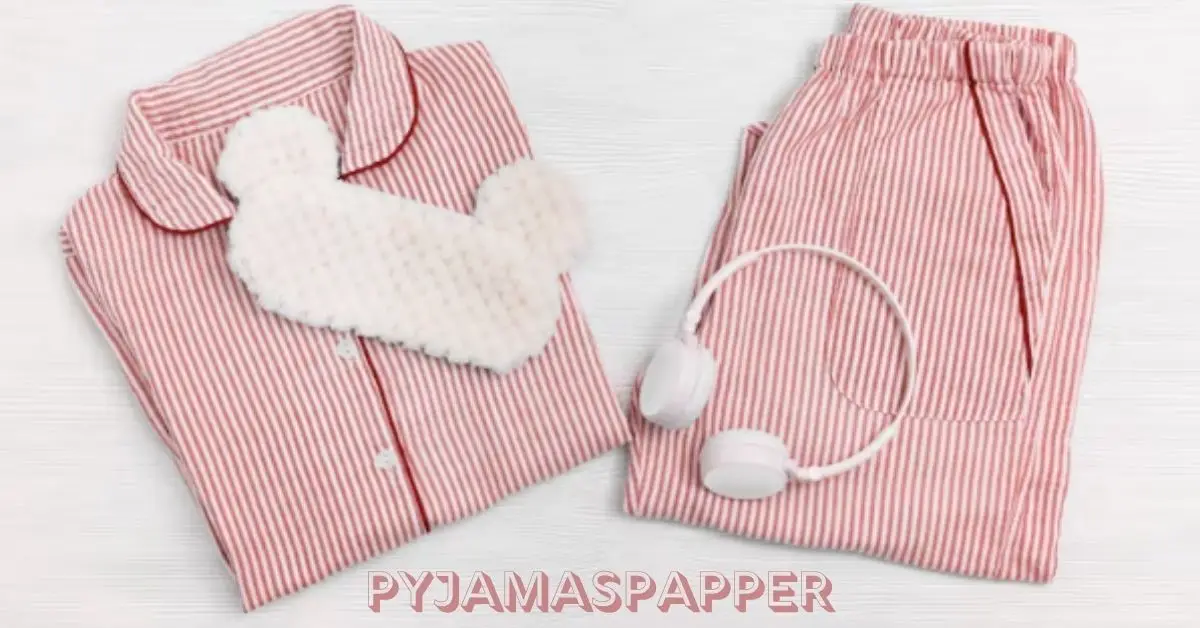
Winding down at the end of a long day often comes down to small comforts, and that is where pyjamaspapper quietly finds its place. It is not just about clothing or fabric, but about the feeling of ease that wraps around you when everything else slows down. From soft textures to relaxed fits, this concept blends comfort with everyday practicality. Whether you are resting, reading, or simply taking a moment for yourself, understanding this idea can subtly transform how you approach rest and relaxation.
Understanding the Idea Behind Pyjamaspapper
At its core, pyjamaspapper reflects a simple philosophy that comfort should not be reserved for special occasions. It brings together the idea of cozy nightwear with a lifestyle approach that values softness, ease, and personal space. Many people overlook how small details like fabric choice or fit can influence how relaxed they feel at home.
This concept has grown quietly as more people prioritize self-care and mindful living. Instead of seeing sleepwear as something purely functional, it becomes part of a daily ritual. When your clothing feels natural and breathable, your body responds by relaxing more quickly, making it easier to unwind after a busy day.
What makes this idea stand out is how adaptable it is. It is not limited to one type of material or style. Rather, it encourages people to choose what feels right for them. That flexibility allows individuals to create their own version of comfort, tailored to their habits and environment.
Will You Check This Article: photoackmp Guide: Meaning, Uses, and Practical Value
Why Comfort Matters More Than You Think
Comfort is often underestimated, yet it plays a key role in both physical and mental well-being. When your body feels at ease, your mind tends to follow. Tight or uncomfortable clothing can create subtle tension, even if you do not notice it immediately. Over time, that tension can affect how well you relax.
Choosing soft and breathable materials supports better airflow and reduces irritation. This becomes especially important during sleep, where even minor discomfort can disrupt your rest. A smoother, lighter feel against the skin can help maintain a consistent sleeping pattern, which improves overall energy levels during the day.
There is also an emotional side to comfort that people sometimes ignore. Wearing something that feels good can create a sense of calm and security. It signals to your brain that it is time to slow down. That mental shift is just as important as physical relaxation when it comes to achieving quality rest.
Fabric Choices That Define the Experience
The fabric you choose can completely change how your sleepwear feels. Natural fibers like cotton are known for their softness and breathability, making them a popular choice for many. They allow air to circulate, which helps regulate body temperature during the night.
Some people prefer blends that offer a smoother or silkier texture. These materials can feel lighter on the skin and provide a slightly luxurious touch. While they may not be as breathable as natural fibers, they often make up for it with comfort and flexibility.
It is important to think about your personal needs when selecting materials. Climate, skin sensitivity, and even personal habits all play a role. The right fabric is not about trends but about what helps you feel most relaxed and at ease in your own space.
How Fit Influences Relaxation
The way your clothing fits has a direct impact on how comfortable you feel. Loose-fitting designs allow your body to move freely without restriction. This is especially important during sleep, where constant movement is natural and necessary for comfort.
On the other hand, clothing that is too loose may not always provide the best experience. It can bunch up or twist, which may cause mild discomfort. Finding a balance between freedom and structure is key to achieving that perfect level of ease.
Paying attention to details like seams, waistbands, and sleeve lengths can also make a difference. These small elements can either enhance comfort or become a source of irritation. A thoughtful fit ensures that nothing distracts you from relaxing fully.
Pyjamaspapper and Daily Routine
Integrating pyjamaspapper into your daily routine can create a smoother transition between activity and rest. Changing into comfortable clothing at the end of the day signals a shift in mindset. It tells your body that it is time to slow down and prepare for rest.
This simple habit can improve how quickly you unwind. Instead of carrying the stress of the day into your evening, you create a clear boundary between work and relaxation. That separation is essential for maintaining a healthy balance in your life.
Over time, this routine becomes second nature. It is no longer something you think about consciously. Instead, it becomes part of your rhythm, helping you relax more easily and consistently every day.
Seasonal Adjustments for Better Comfort
Comfort needs can change depending on the season. During warmer months, lightweight and breathable materials help keep your body cool. They prevent overheating and allow for a more restful sleep.
In colder weather, slightly thicker fabrics provide warmth without feeling heavy. The goal is to maintain a comfortable body temperature throughout the night. Too much heat or cold can disrupt your sleep cycle and leave you feeling tired the next day.
Adapting your choices to the season ensures that your comfort remains consistent. It is a simple adjustment, but it makes a noticeable difference in how well you rest. Paying attention to these changes shows a deeper understanding of your personal comfort needs.
The Psychological Impact of Cozy Clothing
Clothing does more than just cover your body. It can influence your mood and emotional state. Soft and comfortable sleepwear creates a sense of calm that helps reduce stress levels. This effect is subtle but powerful over time.
When you associate certain clothing with relaxation, your brain begins to respond automatically. Putting on comfortable attire can trigger a feeling of safety and rest. This psychological connection makes it easier to disconnect from daily pressures.
Creating this association is not complicated. It simply requires consistency. By choosing clothing that feels good and wearing it regularly during rest periods, you reinforce that connection and enhance your overall sense of well-being.
Conclusion
Understanding pyjamaspapper goes beyond choosing what to wear at night. It is about recognizing how comfort, fabric, fit, and routine come together to support better rest and relaxation. Small choices in everyday life can have a lasting impact on how you feel, both physically and mentally.
By paying attention to these details, you create an environment that supports your well-being. Comfort becomes a priority rather than an afterthought. This shift allows you to rest more deeply and wake up feeling refreshed.
In the end, embracing pyjamaspapper is about making life a little softer and more balanced. It is a simple change, but one that can quietly improve your daily experience in meaningful ways.
Read More: Lumerink.com

Best AI Video Generator and Image-to-Video Tools of 2026.

Video&A Revolution: Transforming Digital Content & Engagement

Qlcredit: Unlocking Smarter Financial Growth Strategies

Ben Shephard Wife Illness: What Is Really Known About Annie’s Health And Their Life Together

Mark Redknapp: The Real Story Behind Harry Redknapp’s Low-Key Son

The Untold Story of Drew Pritchard Wife: From Antique Stardom to Personal Evolution
-

 Blog1 week ago
Dashmy Guide: How to Earn, What It Is & How It Works
-

 Blog6 days ago
Drbulldevil: The Ultimate Guide to Power, Strategy Mastery
-

 Tech5 days ago
Rapelusr: Unveiling Meaning, Purpose, and Modern Impact
-

 Tech1 week ago
Google Groups: Powerful Tool for Online Communities
-

 Tech5 days ago
ZOSQK Unveiled: Meaning, Impact, and Future Relevance
-

 Entertainment1 week ago
Qtoon: A Complete Guide to the Trending Comic App
-

 Entertainment1 week ago
Tinyzone Free Movie Streaming Site Insights
-

 Tech5 days ago
Picnob: A Deep Dive into Its Features and Online Appeal