
Celebrity
Elisa Gayle Ritter: A Quiet Life Defined by Strength, Choice, and Dignity


Introduction
Not everyone who enters the public eye chooses to stay there. Some lives briefly intersect with fame and then return to a quieter, more personal path. Elisa Gayle Ritter is one such individual. While her name is often connected to a well-known music icon, her own story is far more nuanced than public association alone suggests. It is a story of resilience, self-respect, and the courage to step away from attention when it no longer serves personal well-being.
In a culture that often rewards visibility at any cost, Ritter’s life offers a different narrative. She chose privacy over publicity, healing over headlines, and stability over spectacle. This article explores her background, her years in the public eye, the challenges she faced, and how she ultimately shaped a life grounded in personal values rather than external validation.
Will You Check This Article: Rebecca Liddicoat: A Life Shaped by Privacy, Strength, and Personal Choice
Who Is Elisa Gayle Ritter?
Elisa Gayle Ritter is best known to the public as the former wife of legendary music producer and songwriter Narvel Blackstock. Through that marriage, she became briefly connected to the entertainment industry, drawing attention she never actively sought.
However, Ritter was never a celebrity by ambition. She did not pursue fame, endorsements, or media recognition. Instead, she lived quietly, focusing on family and personal responsibilities. Over time, her decision to remain private became one of the most defining aspects of her identity.
Early Life and Background
Life Before Public Attention
Before her name appeared in entertainment discussions, Ritter lived a relatively normal and private life. Details about her early years remain limited, largely because she has consistently avoided public exposure. What is clear, however, is that she valued stability, relationships, and personal integrity long before fame entered her world.
This grounding played a crucial role later in life, helping her navigate sudden attention without losing herself in it.
Personal Values and Character
Those who followed her story often note her calm demeanor and composed presence. She was never involved in controversies, public disputes, or media drama. These traits suggest a strong internal compass — one that guided her decisions even during emotionally complex periods.
Marriage to Narvel Blackstock
A Partnership in the Early Years
Elisa Gayle Ritter married Narvel Blackstock in the early 1970s, long before he became a prominent figure in the music industry. At the time, their relationship was rooted in shared dreams and mutual support, not fame or fortune.
They built their life together during years of professional growth, when success was still uncertain and required patience and sacrifice.
Family and Parenthood
The marriage resulted in children, including Brandon Blackstock, who later became known in the entertainment industry himself. Ritter devoted much of her life to family, prioritizing her role as a mother and partner over public visibility.
Her focus remained inward — on creating a stable home and supporting her family during demanding professional transitions.
Life in the Shadow of Fame
Navigating Public Association
As Narvel Blackstock’s career expanded, public interest followed. While Ritter became known by association, she never embraced the spotlight. She did not attend events for attention, nor did she attempt to build a public persona around her marriage.
This restraint helped her maintain a sense of normalcy, even as the world around her changed.
Remaining Grounded
Fame can distort priorities, especially for families connected to public figures. Ritter’s approach was different. She stayed grounded, avoiding the trappings of celebrity culture and focusing on everyday responsibilities that often go unseen.
Divorce and Personal Transition
The End of the Marriage
After many years together, Elisa Gayle Ritter and Narvel Blackstock divorced in 1988. While the separation marked a major personal transition, it did not turn into a public spectacle. There were no dramatic interviews or public accusations — only quiet separation and forward movement.
This dignified handling of a difficult chapter earned her respect, even if it remained largely unspoken.
Choosing Healing Over Headlines
Rather than using the divorce to gain attention or sympathy, Ritter stepped further away from public life. She focused on healing privately, rebuilding emotional stability, and redefining her identity outside of marriage.
This choice reflected emotional maturity and self-awareness.
Life After the Spotlight
Stepping Back Completely
After her divorce, Ritter largely disappeared from public discussion. This was not accidental. She deliberately chose a life away from entertainment media, red carpets, and public commentary.
For many, this decision might feel like a loss of relevance. For Ritter, it was a return to peace.
Redefining Personal Success
Life after public attention allowed her to define success on her own terms — not by recognition, but by personal contentment, family bonds, and emotional well-being.
Her journey highlights that success does not have a single definition, especially when viewed from outside.
Privacy as Strength, Not Absence
Why Privacy Matters
One of the most powerful aspects of elisa gayle ritter’s story is her commitment to privacy. In an era where oversharing is normalized, her restraint stands out.
Privacy allowed her to:
- Protect her personal relationships
- Maintain emotional balance
- Avoid public judgment
- Live authentically
Rather than disappearing, she simply chose to live without an audience.
Controlling the Narrative
By not engaging with media narratives, Ritter retained control over her story. Silence, in this context, was not weakness — it was agency.
Public Perception vs. Real Life
Beyond the Label of “Ex-Wife”
Public narratives often reduce individuals to roles: spouse, ex-spouse, or background figure. Ritter’s life challenges that simplification. She was always more than a title, even when the public failed to see it.
Her real identity existed outside headlines — in daily choices, relationships, and personal growth.
A Life Lived Intentionally
Choosing not to explain oneself publicly requires confidence. Ritter’s life reflects intention rather than reaction, and purpose rather than performance.
Lessons From Elisa Gayle Ritter’s Journey
Emotional Resilience
Her story shows that resilience does not always involve confrontation. Sometimes it appears as quiet endurance and steady forward movement.
Boundaries in a Noisy World
Ritter’s life is a reminder that boundaries are not barriers — they are protections. Protecting one’s peace is not selfish; it is necessary.
Redefining Visibility
Visibility is optional. Integrity is not. Her choices emphasize that being seen is less important than being whole.
Frequently Asked Questions
Why is Elisa Gayle Ritter not active publicly?
She values privacy and intentionally avoids public attention.
Is she involved in the entertainment industry today?
There is no public information suggesting ongoing involvement, which aligns with her preference for a private life.
What is she best known for?
She is best known for her quiet strength, dignity, and refusal to let fame define her identity.
Conclusion
Elisa Gayle Ritter’s life is a powerful example of choosing peace over publicity. She experienced public attention without seeking it and walked away without regret. In doing so, she demonstrated that personal dignity does not require explanation or approval.
Her story resonates with those who believe that life’s most meaningful moments often happen away from the spotlight. It reminds us that stepping back can be just as powerful as stepping forward.
Final Reflection
The journey of elisa gayle ritter is not about fame gained or lost — it is about choice. Choice to value inner stability over external recognition. Choice to heal privately. Choice to live a life defined by values rather than visibility.

The concept of Shani levni has fascinated seekers of astrology for centuries, offering a profound glimpse into how cosmic forces shape human destiny. Rooted in ancient wisdom, it reflects the karmic impact of Saturn—often associated with discipline, trials, and long-term growth. While many fear its effects, those who truly understand it recognize its transformative power. Rather than mere hardship, it symbolizes a period of accountability and inner evolution. In this article, we will explore its meaning, significance, and practical influence in life with clarity and depth.
Understanding the Core Meaning of Shani Levni
Shani levni represents a phase in astrology where Saturn exerts a noticeable influence on an individual’s life, often bringing challenges that demand patience and resilience. This period is not random but deeply connected to karmic cycles, where past actions manifest as present circumstances. It is widely interpreted as a time of testing, yet these tests are meant to strengthen character and reinforce discipline. People experiencing this phase often notice delays, obstacles, or increased responsibilities that push them toward maturity.
At a deeper level, Shani levni is not merely about hardship but about alignment with truth and accountability. Saturn, known as the taskmaster of the zodiac, ensures that individuals face the consequences of their actions, whether positive or negative. This process encourages self-reflection and growth, ultimately helping individuals develop resilience and wisdom. Rather than resisting this phase, embracing its lessons can lead to profound personal transformation and long-term success.
Will You Check This Article: SFMCompile Mastery: Complete Guide to Seamless Builds
The Astrological Significance of Shani Levni
In astrology, Saturn holds a unique place as a slow-moving planet that governs structure, time, and discipline. When Shani levni occurs, it signifies a period where Saturn’s influence becomes particularly intense in a person’s birth chart. This can happen during specific planetary transits or alignments that activate karmic patterns. Astrologers often analyze these periods to predict potential challenges and opportunities for growth.
The significance of Shani levni lies in its ability to bring hidden aspects of life into focus. It can highlight weaknesses, unresolved issues, and areas that require improvement. While this may feel overwhelming, it also provides a chance to rebuild stronger foundations. By understanding these astrological patterns, individuals can prepare themselves mentally and emotionally, using this phase as an opportunity for structured progress rather than fearing it.
Historical and Cultural Interpretations Across Regions
Throughout history, Saturn’s influence has been interpreted differently across cultures, yet the essence of Shani levni remains consistent. In South Asian traditions, it is often associated with karmic justice and moral accountability. Ancient texts describe Saturn as a strict but fair force that rewards honesty and punishes deceit. This cultural perspective emphasizes respect for ethical conduct and patience during challenging times.
In other parts of the world, similar concepts exist under different names, reflecting the universal nature of Saturn’s symbolism. Western astrology also views Saturn as a teacher that brings life lessons through trials and discipline. Despite variations in interpretation, the core idea remains unchanged: this phase is not meant to harm but to guide individuals toward a more balanced and responsible way of living. Such cross-cultural similarities highlight its enduring relevance.
Psychological Impact and Emotional Transformation
Experiencing Shani levni can have a significant psychological impact, often bringing feelings of pressure, uncertainty, or introspection. During this phase, individuals may face situations that challenge their confidence and emotional stability. These experiences can trigger self-doubt but also encourage deeper self-awareness. It is a time when superficial aspects of life lose importance, and inner strength becomes essential.
However, this emotional intensity is not without purpose. It serves as a catalyst for transformation, pushing individuals to confront their fears and limitations. Over time, this process leads to greater emotional resilience and clarity. Those who navigate this phase with patience often emerge stronger, with a clearer sense of direction and purpose. In this way, Shani levni becomes a powerful tool for psychological growth rather than a source of fear.
Common Life Challenges During This Phase
One of the most noticeable aspects of Shani levni is the emergence of life challenges that test patience and determination. These challenges can manifest in various forms, such as career setbacks, financial difficulties, or strained relationships. While these experiences may feel overwhelming, they are often temporary and serve a deeper purpose in shaping one’s character.
These challenges are not meant to break individuals but to refine them. They encourage a shift in perspective, teaching the importance of perseverance and adaptability. By facing these obstacles head-on, individuals can develop problem-solving skills and a stronger sense of responsibility. Over time, these lessons contribute to long-term stability and success, making the hardships of this phase worthwhile.
Practical Ways to Navigate Shani Levni
Navigating Shani levni requires a balanced approach that combines patience, discipline, and self-awareness. One of the most effective strategies is to focus on personal growth and self-improvement. This includes setting realistic goals, maintaining consistency, and avoiding shortcuts. Saturn rewards those who are willing to put in the effort and remain committed to their path.
Another important aspect is maintaining emotional stability through mindfulness and self-reflection. Practices such as meditation, journaling, or spending time in solitude can help individuals process their experiences and stay grounded. Seeking guidance from trusted mentors or advisors can also provide valuable insights. By adopting these practical measures, individuals can navigate this phase with confidence and resilience.
Spiritual Lessons and Karmic Growth
At its core, Shani levni is deeply connected to spiritual growth and karmic evolution. It is a time when individuals are encouraged to align their actions with higher principles and values. This phase often brings a heightened awareness of one’s responsibilities and the impact of one’s actions on others. It serves as a reminder that true success is not just material but also moral and spiritual.
The lessons learned during this period can have a lasting impact on an individual’s life. They foster humility, compassion, and a deeper understanding of life’s purpose. By embracing these lessons, individuals can achieve a sense of inner peace and fulfillment. In this way, Shani levni becomes a transformative journey that goes beyond external challenges and leads to profound spiritual awakening.
Conclusion
Shani levni is far more than a period of difficulty; it is a powerful phase of growth, discipline, and transformation. While it may bring challenges, these experiences are essential for building resilience and character. By understanding its deeper meaning and embracing its lessons, individuals can turn obstacles into opportunities for self-improvement. Rather than fearing this phase, it should be viewed as a guiding force that leads to long-term success and inner strength. Ultimately, Shani levni reminds us that true growth often comes through perseverance and self-awareness.
Read More: Parkmagazineny.co.uk

George Chirakis is a name that frequently appears in conversations about modern investment leadership and strategic growth in asset management. Professionals who follow the finance industry often recognize his work in building distribution networks, expanding funds, and strengthening investor relationships. His career reflects a rare blend of legal knowledge, marketing expertise, and investment management insight. Over time, this combination helped him guide financial organizations through periods of expansion and industry change. Understanding the story of george chirakis reveals how strategic thinking and adaptability can shape long‑term success in a competitive financial landscape.
Early Life and Educational Background
The early academic path of George Chirakis shows how multidisciplinary learning can influence a career in finance. Before entering the world of investment management, he studied law and commerce, two fields that complement each other surprisingly well. Legal education teaches analytical thinking, attention to detail, and an understanding of regulations. Commerce studies provide the financial literacy required to interpret markets, corporate strategy, and business operations.
This combination of legal and financial education became an advantage later in his career. Many investment professionals understand markets but struggle with regulatory complexity. Chirakis entered the industry already comfortable with both. That background allowed him to interpret investment structures, corporate agreements, and governance frameworks with confidence, which often plays a key role in asset management decision making.
Education also shaped his leadership style. Business schools tend to emphasize strategic thinking, teamwork, and long term planning. These skills became visible in his professional journey as he moved into leadership positions. Rather than focusing only on financial performance, he often emphasized building teams, strengthening relationships with investors, and creating sustainable growth strategies.
Will You Check This Article: Decreto Supremo 160: What It Is and Why It Matters in Peru
Transition from Law to Financial Services
Many successful investment leaders began their careers in unexpected fields, and Chirakis is a good example of that pattern. His professional journey began in legal practice, where he gained experience in corporate and taxation matters. Legal work exposed him to the internal structure of businesses, including how companies manage risk, handle compliance, and structure transactions.
Working in law can offer a unique view of the financial world. Lawyers often observe corporate deals from a structural perspective rather than a market perspective. That experience gave Chirakis a deeper understanding of contracts, regulatory frameworks, and corporate governance. These insights later became valuable when working with investment firms and financial institutions.
Eventually he transitioned into financial services, a move that allowed him to combine his legal knowledge with strategic financial thinking. The shift may seem dramatic at first glance, but many professionals make similar transitions once they realize how interconnected law and finance actually are. In investment management, understanding both areas often creates stronger decision makers who can evaluate opportunities with a broader perspective.
Leadership Experience at AMP Capital
One of the most important phases of his career came during his time at AMP Capital, where he held several senior roles focused on investor engagement and strategic marketing. In large financial organizations, leadership roles often require balancing technical knowledge with communication skills. Chirakis developed a reputation for understanding both the investment products and the people who invest in them.
At AMP Capital, he worked closely with institutional clients, financial advisers, and private investors. Each of these groups has different expectations and decision making processes. Institutional investors often focus on long term performance metrics and risk management. Individual investors may prioritize transparency and accessibility. Navigating these differences requires strong communication and strategic positioning.
This stage of his career also strengthened his understanding of the broader investment ecosystem. Asset managers do not operate in isolation. They rely on networks of advisers, distribution partners, and institutional relationships. By working across these channels, he gained experience building connections that later supported larger growth initiatives in other organizations.
The Role of George Chirakis at Ophir Asset Management
The leadership period of george chirakis at Ophir Asset Management became one of the most defining chapters of his career. As chief executive, he focused primarily on expanding the firm’s distribution strategy and strengthening its relationships with investors. These responsibilities might sound administrative, but they directly influence how investment firms grow and attract capital.
During his tenure, the company introduced new products and significantly expanded its funds under management. Growth in assets is one of the clearest indicators of success for asset managers. It reflects both strong investment performance and the ability to communicate value to investors. Effective distribution strategies play a crucial role in this process.
Leadership in asset management is rarely about individual decisions alone. It involves aligning research teams, marketing departments, and investor relations teams toward a shared goal. Chirakis emphasized collaboration across these areas, helping the firm develop a more coordinated approach to growth. This kind of alignment often determines whether boutique investment firms remain small or scale successfully.
Strategic Move into Private Equity and New Opportunities
Career transitions often signal broader changes within an industry. When Chirakis moved into a partnership role at a private equity firm specializing in GP staking, it reflected a larger trend in financial markets. Investors are increasingly interested in taking stakes in investment management companies themselves, rather than only investing in their funds.
This model creates a different type of opportunity for both investors and asset managers. Investors gain exposure to management fees and long term growth in asset management businesses. Firms receive capital that helps them expand operations, develop new products, and attract talent. For professionals like Chirakis, it also offers a chance to influence the strategic development of multiple companies at once.
The move demonstrated his willingness to adapt to emerging financial trends. Private markets have grown rapidly in recent years, and professionals who understand both traditional asset management and private equity structures are particularly valuable. By stepping into this space, he positioned himself within one of the fastest evolving segments of the finance industry.
Leadership Style and Professional Philosophy
Successful financial leaders often share certain characteristics, and Chirakis appears to follow many of these patterns. His leadership philosophy emphasizes collaboration, communication, and long term strategic thinking. Rather than focusing solely on quarterly performance numbers, he has often emphasized sustainable growth and strong relationships with investors.
One notable aspect of his approach is the emphasis on team development. Investment organizations rely heavily on research analysts, portfolio managers, and distribution specialists. Encouraging open communication within these teams often leads to better decision making. Leaders who support transparent discussion usually see stronger innovation and more balanced strategies.
Another element of his professional philosophy involves adaptability. Financial markets change constantly due to economic cycles, technological advances, and regulatory updates. Leaders who succeed over long periods tend to remain flexible and open to new ideas. Chirakis’s willingness to shift from law to finance and later into private markets demonstrates that kind of adaptability in practice.
Influence on Modern Asset Management
The broader influence of george chirakis can be seen in how modern asset management firms approach growth and investor engagement. Traditional investment management once relied heavily on performance alone. Today, firms must also focus on communication, transparency, and strong distribution networks to attract capital.
Professionals who specialize in building those relationships play an important role in shaping the industry. Investors expect clear explanations of strategy, risk management, and long term objectives. Leaders who understand both investment strategy and investor communication often help firms expand their reach more effectively.
His work also reflects the growing importance of boutique investment managers. Smaller firms often provide specialized strategies and focused research. With the right leadership and distribution approach, these firms can compete successfully with larger institutions. By helping organizations scale while maintaining their core strengths, industry leaders like Chirakis contribute to a more diverse investment landscape.
Conclusion
The professional journey of george chirakis illustrates how diverse experience can lead to influential roles in finance. Starting with a legal foundation, moving through marketing and investor relations, and eventually leading asset management organizations, his career highlights the value of combining multiple skill sets. Each stage of his path contributed knowledge that later supported larger strategic decisions.
In a field where adaptability and strategic thinking often determine success, his trajectory offers an instructive example. Financial professionals frequently focus on technical expertise alone, but long term leadership requires communication skills, relationship building, and an understanding of industry trends. Chirakis demonstrated these qualities while helping organizations expand their investor networks and develop stronger distribution strategies.
As global financial markets continue evolving, leaders who understand both traditional asset management and emerging investment models will likely play increasingly important roles. The career of george chirakis shows how professionals who embrace change, build strong teams, and maintain a strategic outlook can leave a lasting mark on the financial industry.
Read More: Parkmagazineny.co.uk
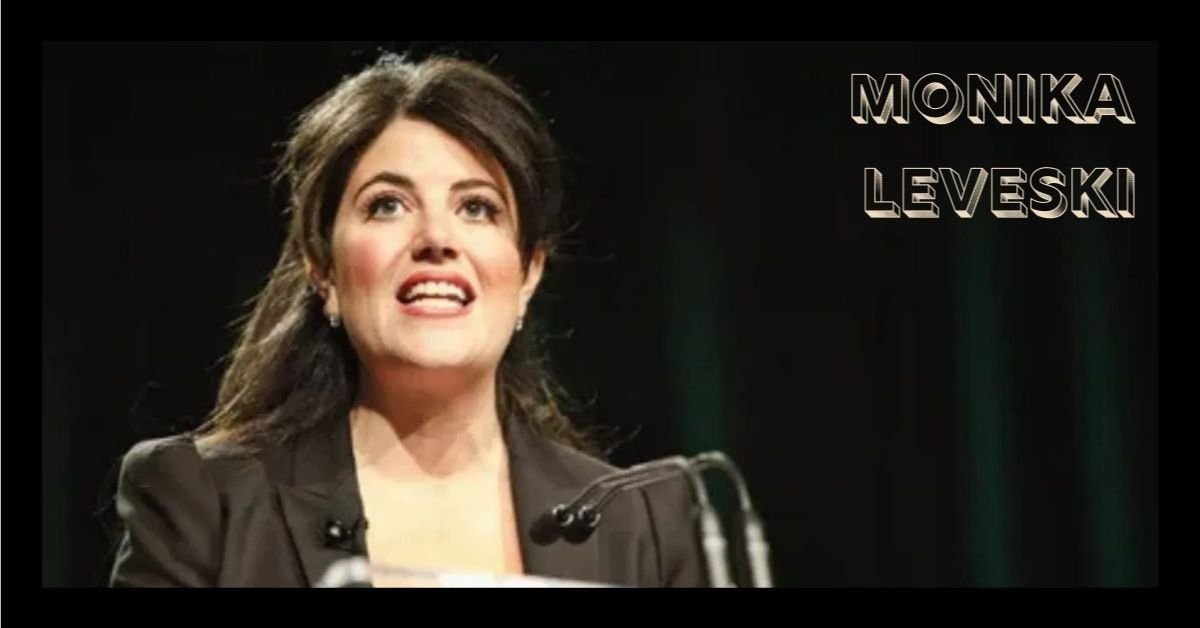
Monika Leveski has quietly become one of those intriguing names circulating across creative industries, digital spaces, and discussions about modern innovation. The story of Monika Leveski isn’t just about art or design; it’s about curiosity, experimentation, and the courage to rethink familiar ideas. Her work blends technology, storytelling, and artistic expression, making her influence visible across multiple creative fields. What makes her journey especially compelling is how she bridges traditional creativity with modern digital tools. That intersection has helped her build a reputation as a forward-thinking creative who challenges conventions and inspires new generations of artists and innovators.
Early Life and Creative Foundations
Creative journeys rarely start with fame or recognition. In the case of Monika Leveski, the earliest influences came from a background that valued curiosity, expression, and learning. Growing up in an environment where ideas were encouraged rather than restricted helped shape her open-minded perspective on creativity. Early exposure to art, communication, and critical thinking laid the groundwork for a future built around innovation.
During her formative years, she showed a natural ability to connect seemingly unrelated ideas. While some people specialize early, she explored a wide range of interests, from visual art to storytelling and technology. This curiosity eventually became a defining feature of her work. Instead of limiting herself to a single creative discipline, she embraced a multidimensional approach that combined art, strategy, and experimentation.
That early willingness to explore different paths also built resilience. Creative careers often involve uncertainty, but Monika treated uncertainty as an opportunity rather than a barrier. By experimenting, learning from mistakes, and refining her ideas, she gradually developed a distinctive voice that later became recognizable in modern art and design circles.
Will You Check This Article: 123safe67: Understanding Its Purpose and Practical Use
Monika Leveski and the Evolution of Modern Art
The modern art world has changed dramatically over the past two decades. Traditional galleries now share space with digital platforms, interactive installations, and immersive experiences. Monika Leveski emerged at a time when artists began experimenting with technology as a creative tool rather than simply a medium.
Her work often blends traditional painting techniques with digital elements, creating pieces that feel both familiar and futuristic. Instead of separating physical art from digital design, she merges them in ways that challenge the audience’s expectations. One example is her exploration of augmented reality, where digital imagery enhances the viewer’s experience of physical artwork.
Critics often point out that her art doesn’t merely exist for visual appeal. Each piece tends to carry a narrative or concept that encourages reflection. Themes like memory, identity, technology, and human perception frequently appear in her work. This storytelling element adds emotional depth to her creations, turning them into conversations rather than static objects.
Through this approach, Monika has contributed to a growing movement that views art as an interactive experience rather than a passive observation. Audiences are invited to engage with the artwork, interpret it personally, and even influence the final experience through their interaction.
Innovative Projects and Creative Experiments
Creativity thrives on experimentation, and many of Monika Leveski’s most recognized projects emerged from bold experiments with new media. Rather than sticking to established methods, she explores unusual combinations of technology and artistic expression.
One notable example involves immersive installations where digital projections interact with physical paintings. In these projects, visitors move through spaces where images shift, respond, or evolve depending on the viewer’s position. The result feels less like visiting a gallery and more like stepping into a living narrative.
Another experimental series focused on translating sound into visual patterns. In these works, sound waves were converted into colors and shapes on canvas. This unusual fusion of audio and visual art encouraged audiences to rethink how senses interact and influence perception.
Monika also experiments with sustainable materials, incorporating recycled or eco-friendly elements into her installations. This approach demonstrates that innovation and environmental responsibility can coexist in creative practice. By pushing artistic boundaries while addressing contemporary issues, she positions creativity as both expressive and socially aware.
Leadership and Philosophy Behind Her Work
Behind every influential creative figure lies a philosophy that guides their decisions. For Monika Leveski, that philosophy centers around empathy, collaboration, and curiosity. Instead of focusing solely on personal success, she often emphasizes the importance of collective creativity and shared learning.
Her leadership style reflects this belief. When working with teams, she encourages open discussion and experimentation. The goal is not simply to produce a finished product but to explore possibilities together. This approach fosters innovation because people feel comfortable sharing unconventional ideas.
Another defining aspect of her philosophy is the belief that creativity exists everywhere, not just in art studios. Technology, business strategy, storytelling, and social impact all benefit from creative thinking. By applying artistic principles to multiple industries, she demonstrates how creativity can solve complex problems.
This mindset has helped her collaborate with professionals across fields such as technology, media, and design. Each collaboration becomes a chance to merge different perspectives, producing ideas that might not emerge in isolated environments.
Influence on Design, Technology, and Culture
Modern creativity rarely stays confined to a single discipline. Monika Leveski’s influence stretches beyond galleries into design, technology, and cultural conversations. By merging artistic ideas with digital tools, she contributes to a broader shift toward interdisciplinary creativity.
In the design world, her projects often blend aesthetics with functionality. Instead of creating objects that are purely decorative, she develops environments that tell stories and engage users emotionally. This approach reflects a growing trend where design focuses on experience rather than appearance alone.
Her influence also extends into discussions about sustainable design. By experimenting with eco-friendly materials and responsible production methods, she encourages creative industries to consider environmental impact alongside artistic vision.
Culturally, her work resonates because it reflects modern life. Digital technology shapes how people communicate, create, and experience the world. By incorporating those elements into art and design, she captures the spirit of the present moment while also questioning its implications.
Mentorship and Advocacy for Emerging Creators
Success in creative fields often depends on mentorship and community support. Recognizing this reality, Monika Leveski actively shares knowledge with emerging artists and designers. She frequently participates in workshops, collaborative projects, and discussions aimed at helping newcomers navigate creative careers.
One of her key messages focuses on embracing individuality. Many aspiring artists struggle with comparison and self-doubt, especially in a digital world where creativity is constantly displayed online. Monika encourages them to treat their unique perspectives as strengths rather than obstacles.
She also advocates for greater diversity within creative industries. Inclusive environments tend to produce richer ideas because they combine multiple cultural and personal experiences. Through mentorship programs and collaborations, she works to create spaces where diverse voices can flourish.
These efforts extend beyond simple advice. By building communities and encouraging collaboration, she helps transform creativity from a competitive pursuit into a shared journey.
The Digital Presence and Global Reach
In today’s interconnected world, digital platforms play a major role in shaping creative influence. Monika Leveski uses these platforms not just to showcase her work but to engage in meaningful dialogue with audiences around the world.
Her online presence often includes behind-the-scenes insights into the creative process. By sharing early sketches, experiments, and reflections, she reveals the complexity behind artistic creation. This transparency demystifies creativity and encourages others to experiment.
Digital communities also allow her to collaborate across geographical boundaries. Artists, designers, and technologists from different cultures contribute ideas, creating projects that reflect global perspectives. These collaborations demonstrate how technology can connect creative minds and expand artistic possibilities.
Through this digital engagement, Monika builds more than an audience. She cultivates a community that participates in conversations about art, innovation, and cultural change.
The Future Vision of Monika Leveski
Looking ahead, the future of creativity will likely involve deeper integration between technology, storytelling, and human experience. Monika Leveski’s work already hints at this direction. Her experiments with immersive environments, digital storytelling, and interdisciplinary collaboration suggest that art will continue evolving beyond traditional boundaries.
Future projects may include more interactive installations where viewers influence the outcome of the artwork. Artificial intelligence, virtual reality, and advanced digital tools could also become part of her creative toolkit. These technologies open possibilities for experiences that adapt to each individual viewer.
Another likely focus is sustainability. As environmental awareness grows, creative industries increasingly seek responsible production methods. By exploring sustainable materials and eco-conscious design, Monika contributes to shaping this shift toward ethical creativity.
Ultimately, her future vision seems less about individual recognition and more about collective transformation. Creativity becomes a tool for dialogue, problem-solving, and social impact.
Conclusion
Monika Leveski represents a new kind of creative figure for the modern era. Instead of limiting herself to one discipline, she moves fluidly between art, design, technology, and cultural dialogue. This flexibility allows her to explore ideas from multiple perspectives, producing work that feels innovative yet deeply human.
Her journey demonstrates that creativity thrives when curiosity leads the way. By experimenting with new media, collaborating across industries, and mentoring emerging artists, she expands the possibilities of modern creative practice. The influence of Monika Leveski extends beyond individual artworks, shaping conversations about how creativity can respond to technological change and social challenges.
As digital tools continue transforming how people create and interact, voices like hers will play an important role in guiding the next generation of innovators. The story of Monika Leveski is still unfolding, but its central message remains clear: creativity is most powerful when it connects imagination, technology, and human experience.
Read More: Parkmagazineny.co.uk

Sulaskk Uncovered: A Deep Dive Into Its Meaning and Impact

Sporple Uncovered: The Rising Trend Redefining Digital Discovery

Shani Levni: Deep Insight Into Saturn’s Powerful Influence

Mark Redknapp: The Real Story Behind Harry Redknapp’s Low-Key Son

Ben Shephard Wife Illness: What Is Really Known About Annie’s Health And Their Life Together

The Untold Story of Drew Pritchard Wife: From Antique Stardom to Personal Evolution
-

 Social Media2 days ago
Eslato Explained: The Future of Smart Digital Evolution
-

 Tech2 days ago
Bastinews.xyz: The Future of Independent Digital News
-

 Tech1 week ago
OpenSkyNews: Trusted Digital News for Real-Time Insights
-

 Tech2 days ago
Unlocking Digital Potential with fkstrcghtc Strategy
-

 Blog2 days ago
Demonscans: Exploring the Rise of Digital Manga Culture
-

 Tech1 week ago
Krowd Login Guide: How to Access Your Darden Employee Portal
-

 Tech1 week ago
Mietmakler Guide: Costs, Laws, and When You Need One
-

 Health & Fitness2 days ago
Truvirility Uncovered: The Real Path to Lasting Vitality