
Blog
Pyntekvister: Natural Decor That Transforms Spaces

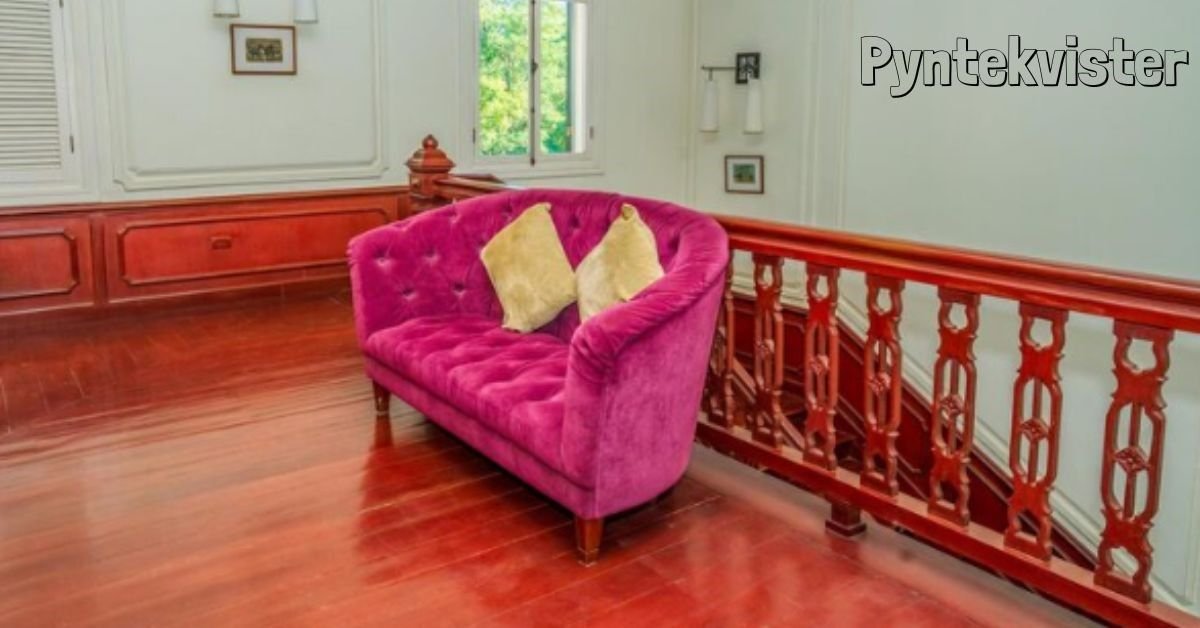
Pyntekvister are one of those decorative elements that quietly change how a room feels without demanding attention. I first noticed them in Scandinavian homes, where simplicity and nature blend effortlessly. These decorative branches bring the outdoors inside in a calm, grounded way. They are not about perfection or symmetry. They are about texture, movement, and mood, which is why they continue to feel relevant in modern interiors.
What Pyntekvister Really Are
Pyntekvister are decorative branches used to add natural structure and visual interest to indoor spaces. They can be dried, painted, or left completely natural, depending on the look you want. Their appeal comes from their organic shape, which contrasts beautifully with clean lines and smooth surfaces commonly found in modern homes.
Unlike fresh flowers, decorative branches last a long time and require almost no care. That durability makes them practical for people who enjoy natural decor but want something low maintenance. They quietly fill empty corners, soften sharp spaces, and add height where flat decor feels lifeless.
What matters most is that they feel authentic. Pyntekvister do not try to imitate nature. They are nature, simply repurposed. That authenticity is what gives them lasting charm and makes them easy to integrate into many styles.
Will You Check This Article: Markiseteppe: Choosing the Right Fabric for Outdoors
Why Natural Branches Feel So Appealing
There is something deeply calming about natural materials. Humans have an instinctive connection to nature, even indoors. Branches reflect irregularity, growth, and time, which helps counterbalance the rigid order of modern living spaces. This subtle contrast makes rooms feel more relaxed and welcoming.
Decor trends come and go, but nature-based elements tend to remain timeless. Branches do not follow strict fashion rules. They adapt. A single arrangement can feel rustic in one space and modern in another, depending on the container and surroundings.
This appeal matters because it creates emotional comfort. When a space feels grounded, people tend to relax more easily. That is why natural decor elements continue to appear in homes, offices, and even public interiors.
Common Types Used for Decoration
Many types of branches are used as pyntekvister, each offering a different mood. Birch branches feel light and Nordic, while willow branches appear soft and flowing. Twisted hazel adds drama with its sculptural curves, making it a popular choice for statement arrangements.
Some people prefer flowering branches during spring, while others lean toward bare branches for a minimalist look. Painted or whitewashed branches are also common, especially in modern or seasonal displays. Each variation brings a different personality to a space.
Choosing the right type matters because shape and texture influence balance. Tall, straight branches create calm vertical lines, while curved or tangled ones add energy. Understanding this helps create arrangements that feel intentional rather than random.
How Pyntekvister Are Used in Interior Design
Pyntekvister are often placed in floor vases to add height and fill empty vertical space. Designers use them to guide the eye upward, making rooms feel taller and more open. This technique works especially well in minimalist interiors where furniture stays low.
They are also used as table centerpieces or shelf accents. In these settings, fewer branches are usually better. A simple cluster allows the natural form to stand out without overwhelming the space. Balance is key when working with organic shapes.
This matters because decoration should support a room, not dominate it. When branches are used thoughtfully, they enhance the overall design instead of competing with it. That subtlety is what makes them so effective.
Seasonal Styling and Atmosphere
One of the strengths of pyntekvister is their flexibility across seasons. In spring, branches can hold buds or light ornaments. In winter, they often appear bare or paired with lights, creating a calm, reflective atmosphere during darker months.
Seasonal styling does not require replacing the branches themselves. Small adjustments like changing the vase, adding ribbons, or altering placement can refresh the look. This makes them a sustainable decorative choice.
This adaptability matters because it reduces waste and effort. Instead of buying new decor for each season, people can work with what they already have. That approach feels both practical and intentional.
Creating Balance with Minimal Effort
Decorating with branches does not require professional design skills. Their natural form already provides interest. Often, less is more. One well-placed arrangement can do more than several small decorative items scattered around a room.
Balance comes from proportion and placement. Tall branches suit open spaces, while shorter ones work better on tables or shelves. Matching the scale of the branches to the room prevents them from feeling out of place.
This simplicity matters because it removes pressure from decorating. When decor feels intuitive rather than forced, spaces feel more personal. That ease is part of what makes pyntekvister so approachable.
Sustainability and Long-Term Value
Using natural branches aligns well with sustainable living values. Many people collect them from nature, using fallen branches rather than buying new decor. This approach reduces consumption and adds a personal story to the arrangement.
Because pyntekvister last for years, they offer strong long-term value. Unlike fresh flowers, they do not wilt or require replacement. Over time, they become familiar elements within a home rather than disposable accents.
This matters because sustainability is not just about materials, but habits. Choosing decor that lasts encourages mindful living. Decorative branches support that mindset without sacrificing beauty or style.
Conclusion
Pyntekvister remain popular because they combine simplicity, beauty, and practicality in a way few decorative elements can. They bring nature indoors without demanding attention or care. Their flexibility allows them to evolve with changing tastes and seasons.
In a world full of fast trends, decorative branches offer something slower and more grounded. Pyntekvister remind us that imperfect, natural forms can feel more comforting than polished design. That quiet strength is exactly why they continue to matter in modern living spaces.
Read More: Legendbio.co.uk


Across the internet, unusual words often appear in usernames, gaming profiles, and social media accounts. One example that sparks curiosity is lwedninja. At first glance, it may seem like a random combination of letters, yet names like this often carry personal meaning for the people who create them. Understanding how such names emerge helps explain the way digital identity works today. In online communities, creativity with usernames has become a common way to stand out while still expressing individuality.
The Origins Behind the Username
Many online names are formed by blending personal references with creative wording. In the case of lwedninja, the structure suggests a mix of a unique prefix combined with the word “ninja.” The first part may represent initials, a nickname, or a shortened personal name chosen by the user. These combinations are common when people want a username that feels personal yet remains available across platforms.
The second part of the name reflects a popular internet theme. The term ninja has long been used in gaming and online culture to suggest stealth, skill, or mastery. When people add this word to a username, they often want to convey a sense of expertise or agility within digital spaces.
This style of naming highlights how users adapt language creatively. Instead of relying on common words, they build new combinations that reflect personality or interests. Over time, these invented names become recognizable within the communities where they are used most frequently.
Will You Check This Article: Cristher Guide: Meaning, Uses, and Online Presence
Why Unique Usernames Matter Online
Choosing a distinctive username has become increasingly important as millions of new accounts appear across the internet every day. Platforms require unique identifiers, which means common names are often already taken. As a result, users create new variations by combining letters, numbers, or meaningful words.
A name like lwedninja allows someone to maintain a consistent identity across multiple platforms. Whether participating in gaming forums, social media discussions, or streaming communities, the same username helps others recognize the person behind it. This consistency builds familiarity and trust within online groups.
Another advantage of a unique username is discoverability. When a name is uncommon, it becomes easier for others to find that profile in searches or platform directories. This can be helpful for people who share content, participate in discussions, or build a following around their online activities.
The Influence of Gaming Culture
Gaming communities have played a major role in shaping how usernames are created. Competitive games often encourage players to adopt names that sound memorable, powerful, or creative. Words like ninja, warrior, or shadow frequently appear in gaming identities because they evoke skill and strategy.
Players sometimes choose names that reflect their playstyle or personality. Someone who enjoys stealth or strategic gameplay might include a word associated with precision or agility. These choices become part of how players express themselves within the gaming world.
Over time, gaming usernames often spread beyond the original platform. A name created for a multiplayer game may later appear on streaming channels, social media accounts, or community forums. This transition helps transform a simple username into a recognizable digital identity.
Creativity in Digital Naming
Online naming has evolved into a form of creative expression. Instead of simply using real names, many users experiment with word combinations that feel distinctive. These invented identities allow people to represent themselves in ways that traditional names sometimes cannot.
Creativity plays a large role in making a username memorable. When people encounter an unusual name, they are more likely to remember it during future interactions. This can be especially valuable in large communities where thousands of users are active at the same time.
Names built through creative combinations also reflect the playful nature of internet culture. Language online is constantly evolving, and new forms of expression appear every day. Usernames are one of the simplest yet most visible examples of this ongoing evolution.
The Role of Personal Identity Online
Digital spaces allow individuals to shape how they present themselves to others. A username becomes part of that presentation, often reflecting interests, personality traits, or creative ideas. In many cases, the chosen name tells a small story about the person using it.
People often keep the same username for many years. During that time, it becomes associated with their contributions, opinions, and interactions. Community members begin to recognize the name and connect it with specific experiences or conversations.
This long-term use turns a simple username into something more meaningful. It becomes a symbol of a person’s digital presence, representing their activity across multiple platforms and communities.
Online Communities and Recognition
Communities thrive when members recognize each other over time. Usernames play a crucial role in building that recognition. When someone repeatedly participates in discussions under the same name, others begin to remember their contributions.
A name like lwedninja may start as a creative choice, but it gradually becomes associated with the user’s behavior and personality. Positive interactions can help build a reputation, while consistent participation strengthens relationships within the group.
Recognition also encourages deeper engagement. When users feel known within a community, they are more likely to contribute ideas, share experiences, and help others. This dynamic strengthens the sense of connection that many online communities depend on.
How Naming Trends Continue to Evolve
Digital naming trends continue to change as new platforms and communities emerge. Social networks, gaming environments, and content platforms all influence how people create usernames. Each environment encourages slightly different styles of naming.
Some platforms favor short and simple names, while others inspire more creative combinations. The flexibility of online language allows users to experiment until they find something that feels right for them. This experimentation keeps internet culture fresh and constantly evolving.
As technology develops, new forms of digital identity may appear. Even so, the basic idea behind usernames will likely remain the same. People want names that feel personal, recognizable, and expressive within the communities they care about.
Conclusion
The username lwedninja reflects the broader culture of creativity that shapes digital identities today. What might seem like a random collection of letters actually represents the way individuals combine personal meaning with imaginative language. In online spaces where millions of users interact, unique names help people stand out and build recognition.
Understanding how names like lwedninja emerge reveals the deeper role usernames play in digital life. They are more than simple labels. They represent identity, creativity, and participation in communities that continue to grow across the internet.
Read More: Lumerink.com
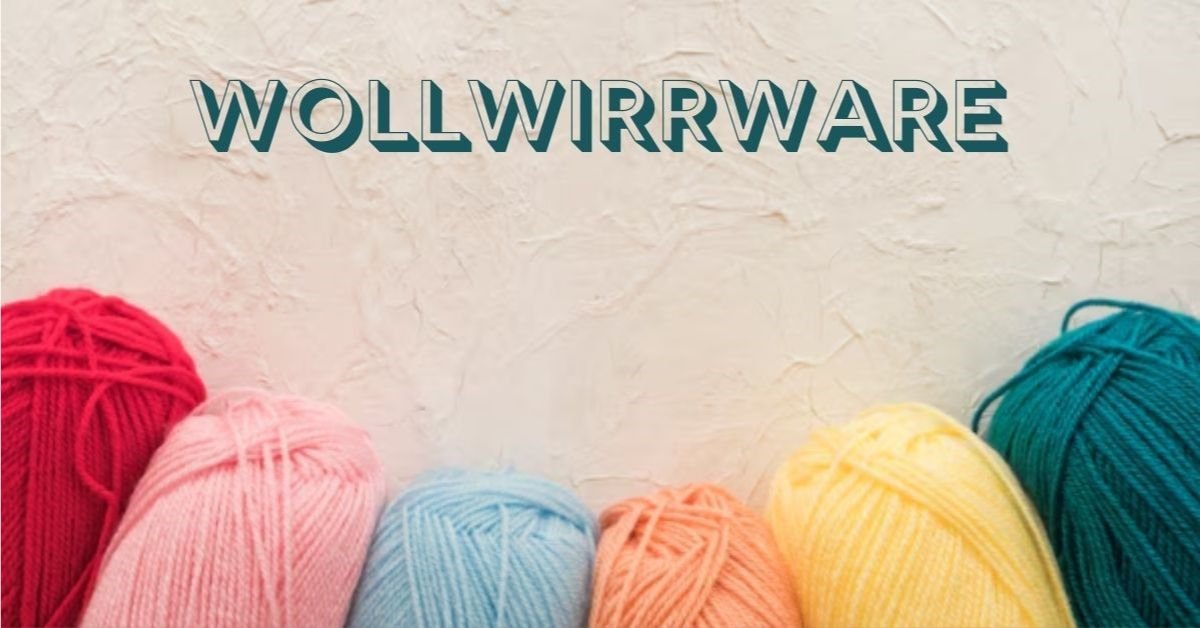
You may have never heard the word before, yet wollwirrware paints a picture instantly once you understand it. It describes a tangled mess of wool or yarn, but the meaning goes deeper than a simple knitting accident. Wollwirrware captures the feeling of disorder, confusion, and creative chaos all at once. Whether you knit, craft, or simply enjoy language, this word offers surprising insight into how we handle both physical and mental tangles.
The Origins and Meaning of Wollwirrware
Wollwirrware comes from German linguistic roots, blending words that describe wool, confusion, and goods. German is known for its compound words, and this one follows that tradition. When combined, these elements form a vivid expression that immediately communicates visual disorder. Even if you do not speak German, the imagery feels intuitive once explained.
At its simplest level, the word refers to a pile of tangled yarn. Anyone who has worked with knitting materials understands how quickly threads twist together. What starts as neatly wound skeins can transform into a frustrating knot. That moment of discovery often feels overwhelming, yet oddly familiar.
Beyond literal yarn, the term carries metaphorical meaning. It can describe situations that feel messy or hard to untangle. Just like knotted wool, certain problems require patience and steady hands. The word therefore becomes more than vocabulary. It becomes a reflection of life’s occasional disorder.
Will You Check This Article: Homeware Zone Ideas for Stylish Living
Why Tangled Yarn Happens So Easily
Yarn tangles for surprisingly simple reasons. Loose ends, careless storage, and frequent movement allow strands to twist around each other. When knitting projects are paused and placed in bags without care, knots develop quickly. The softness of wool makes it flexible, but that flexibility increases the chance of tangling.
Environmental factors also contribute. Pets, especially curious cats, love batting at yarn balls. Even small disturbances create loops that tighten over time. A single tug in the wrong direction can turn a minor twist into a complex knot. The longer it sits untouched, the harder it becomes to separate.
Human impatience often makes matters worse. Pulling aggressively tightens fibers instead of loosening them. Experienced knitters learn to pause and examine the structure before acting. Understanding how tangles form is the first step toward preventing frustration in future projects.
Creative Lessons Hidden in Wollwirrware
There is something surprisingly symbolic about wollwirrware. Creative work rarely moves in a straight line. Projects evolve, stall, and shift unexpectedly. The tangled yarn becomes a physical reminder that creative progress is not always smooth. Sometimes confusion is simply part of the process.
When faced with disorder, the instinct may be to abandon the project. Yet patiently untangling threads can feel meditative. Each small movement restores order gradually. That quiet focus often clears the mind as well. Crafting teaches resilience in subtle but meaningful ways.
Artists and makers understand that beauty often emerges from initial chaos. What appears messy at first can transform into something functional and beautiful. Accepting that temporary confusion is normal helps reduce frustration. Creativity thrives when patience replaces panic.
Preventing Yarn Chaos Before It Starts
Storage plays a crucial role in preventing tangled fibers. Keeping yarn in sealed containers or individual project bags reduces movement. Organized spaces may seem unnecessary at first, but they save time later. When materials stay separated, the risk of knots drops significantly.
Winding yarn into center pull balls also helps maintain order. This method allows the thread to unwind smoothly without rolling around the room. Many experienced knitters swear by proper winding techniques. It requires a few extra minutes but prevents hours of detangling later.
Consistency matters more than perfection. Returning materials to their place after each session creates habit. Over time, that routine keeps supplies manageable. A little structure reduces the likelihood of confronting an overwhelming pile of twisted strands.
Untangling Wollwirrware Without Damage
When facing true wollwirrware, patience becomes essential. Start by locating loose ends rather than pulling randomly. Gentle movements prevent tightening existing knots. Slow progress may feel frustrating, but careful handling preserves the integrity of the fibers.
Good lighting makes a noticeable difference. Shadows can hide small loops that contribute to larger tangles. Spreading the yarn across a flat surface allows clearer visibility. Breaking the problem into sections often simplifies the process.
It also helps to remain calm. Frustration leads to rushed decisions that worsen the knot. Treating the task as a puzzle instead of a problem changes perspective. With steady hands and time, even the most stubborn tangles can loosen.
Wollwirrware as a Metaphor for Life
Life occasionally resembles a pile of tangled threads. Plans overlap, responsibilities multiply, and clarity fades. In those moments, the concept of wollwirrware feels deeply relatable. Problems rarely unravel instantly, yet steady attention gradually restores order.
Approaching challenges gently often produces better results than force. When people react aggressively to stress, complications increase. A thoughtful approach allows space to identify root causes. Small adjustments accumulate into meaningful solutions.
The metaphor reminds us that confusion is temporary. Just as yarn can be restored to usable form, complicated situations can become manageable. Patience, observation, and steady effort often solve what initially appears impossible.
The Joy of Handmade Imperfection
Handcrafted items carry personality precisely because they are not flawless. Slight inconsistencies reveal human effort. In knitting and crochet, minor irregularities add warmth and authenticity. Perfect symmetry may look impressive, but handmade texture feels inviting.
Even tangled beginnings can lead to satisfying endings. A project that required extra patience often feels more rewarding. The time spent untangling threads deepens connection to the final piece. Effort transforms ordinary materials into meaningful creations.
Imperfection encourages learning. Each mistake teaches technique and foresight. Over time, experience reduces frustration while increasing skill. Accepting minor flaws builds confidence and encourages continued creativity.
Conclusion
Wollwirrware may begin as a simple description of tangled wool, yet it carries broader meaning. It reflects creative challenges, everyday disorder, and the patience required to restore balance. Whether dealing with yarn or life’s complications, steady attention makes a difference. By understanding how tangles form and how to address them calmly, frustration turns into growth. In the end, wollwirrware reminds us that even chaos can lead to clarity when handled with care.
Read More: Dollartimes.co.uk
Gärningar shape who we are long before we realize it. Every action we take, whether small or significant, leaves a trace in our relationships and personal growth. The word gärningar refers to deeds, yet it carries a deeper sense of moral weight and responsibility. When we pause to reflect on our behavior, we start seeing patterns that influence trust, respect, and self-worth. Understanding our actions is not abstract philosophy. It is practical, daily awareness.
The Meaning Behind Gärningar
The term gärningar originates from Scandinavian language roots and refers to actions or deeds performed by an individual. While the translation seems simple, the meaning often carries moral depth. It suggests that what we do matters beyond the moment. Each deed contributes to how others perceive us and how we see ourselves.
In daily life, gärningar are rarely dramatic. They appear in quiet choices such as helping a neighbor or speaking honestly during conflict. These everyday acts accumulate over time. People rarely remember isolated words, but they remember patterns of behavior. That pattern defines character more clearly than any single promise.
Understanding this concept changes perspective. Instead of focusing only on intentions, attention shifts toward results. Intentions may be good, yet actions produce visible impact. When people evaluate trust or reliability, they observe consistent behavior. That is where gärningar become powerful markers of integrity.
Will You Check This Article: Epcylon Meaning and Practical Insights
How Gärningar Shape Personal Character
Character is not built overnight. It grows through repeated decisions and responses to situations. Gärningar influence character because actions require effort and accountability. When someone chooses patience in frustration, that choice strengthens discipline. Over time, those small decisions become part of identity.
There is a noticeable difference between saying you value kindness and consistently practicing it. Real character shows up in behavior under pressure. Stress reveals priorities. A person who maintains honesty during difficulty demonstrates internal stability. That stability forms through countless previous actions.
Self-reflection becomes essential here. When you evaluate your own gärningar, you start identifying habits. Some habits strengthen growth, while others limit it. Adjusting daily behavior gradually reshapes personality. The process is not dramatic, but it is steady and meaningful.
Gärningar in Relationships and Trust
Trust grows from repeated positive experiences. Gärningar act as evidence of reliability within relationships. If someone consistently keeps promises, arrives on time, and communicates openly, trust develops naturally. Words may reassure, but actions confirm sincerity.
In friendships and family life, small gestures matter. Offering help during busy periods or listening without interruption builds emotional security. These simple acts create a foundation of mutual respect. When conflicts arise, past behavior influences whether forgiveness feels possible.
Professional relationships follow similar principles. Colleagues judge dependability through observable conduct. Meeting deadlines, sharing credit, and admitting mistakes foster credibility. Trust is rarely built through grand speeches. It grows from steady, responsible behavior over time.
Moral Responsibility in Everyday Actions
Every action carries consequences, even when they seem minor. Gärningar remind us that responsibility extends beyond intention. A careless remark may hurt someone more than expected. A thoughtful gesture may encourage someone during hardship. Recognizing this influence strengthens awareness.
Ethical living often involves ordinary decisions. Choosing honesty in small matters prepares you for larger moral challenges. People who practice fairness in daily interactions are more likely to stand firm during complex dilemmas. Consistency builds internal clarity.
Responsibility also involves repair. When actions cause harm, accountability restores balance. Apologizing sincerely and correcting mistakes demonstrate maturity. Growth happens when individuals accept ownership of their deeds rather than shifting blame.
The Long Term Impact of Gärningar
Short term results can be misleading. Some actions produce immediate benefits yet create long term damage. Others require patience but yield lasting rewards. Gärningar accumulate quietly, shaping reputation and opportunity over years rather than days.
Consider career development. Consistent professionalism may not attract instant recognition, yet it establishes credibility. Over time, that reliability opens doors. Employers often promote individuals known for steady performance rather than occasional brilliance.
Personal reputation follows a similar path. Communities remember patterns. A single generous act is appreciated, but consistent generosity earns respect. Long term impact grows from repeated, thoughtful behavior rather than isolated moments of effort.
Teaching Children About Gärningar
Children learn primarily through observation. They notice how adults respond to stress, success, and disappointment. Explaining the concept of gärningar becomes meaningful when paired with visible example. Demonstrated behavior teaches more effectively than lectures.
Encouraging accountability early helps build responsibility. When children understand that actions have consequences, they develop decision making skills. Allowing them to reflect on choices fosters maturity. Guidance should focus on growth rather than punishment alone.
Positive reinforcement also matters. Recognizing helpful behavior strengthens motivation. When children see that thoughtful deeds create positive outcomes, they repeat them naturally. Over time, those habits influence character development in lasting ways.
Reflecting on Your Own Gärningar
Personal growth requires honest evaluation. Taking time to assess daily behavior reveals strengths and weaknesses. Journaling or quiet reflection can uncover patterns that often go unnoticed. This awareness becomes the first step toward improvement.
It helps to ask simple questions. Did my actions align with my values today? Did I respond thoughtfully during conflict? These reflections create intentional living. When behavior matches beliefs, inner confidence grows.
Change does not require dramatic transformation. Small adjustments in daily routines can produce meaningful shifts. Choosing patience over irritation or honesty over convenience gradually reshapes outcomes. Reflection turns abstract ideals into practical change.
Conclusion
Gärningar represent more than isolated actions. They reflect character, influence relationships, and shape long term outcomes. Every decision contributes to personal identity and social trust. By practicing awareness and responsibility, individuals strengthen integrity and emotional maturity. Consistent, thoughtful behavior builds a life marked by respect and reliability. In the end, gärningar define legacy far more clearly than intentions alone.
Read More: Dollartimes.co.uk

Pelisfulltv: What You Should Know Before Streaming

Katy Davis Suffield: Community Story and Impact

Felixing: Meaning, Trends, and Real-World Impact
The Untold Story of Drew Pritchard Wife: From Antique Stardom to Personal Evolution

Ben Shephard Wife Illness: What Is Really Known About Annie’s Health And Their Life Together

Itzhak Ezratti Wife: The Quiet Force Behind A Real Estate Empire
-

 Celebrity1 week ago
Deborah Bollman: Understanding the Search Interest
-

 Education7 days ago
Schoology Alfa: A Practical Guide for Smarter Learning
-

 Celebrity1 week ago
Liam Woodrum: A Closer Look at His Journey
-

 Tech6 days ago
Oncepik: A Smarter Way to Edit and Share Photos
-

 Celebrity1 week ago
Leslie Knipfing: Life Beyond the Spotlight
-

 Travel7 days ago
Kotora Melnkalne: A Practical Guide for Travelers
-

 Celebrity1 week ago
Diane Plese: Life Beyond Public Attention
-

 Celebrity1 week ago
Dallas Yocum: Life Beyond the Headlines