
News
Riverbank Collapse Iford Playing Fields: Causes, Impacts & Long-Term Solutions

Introduction
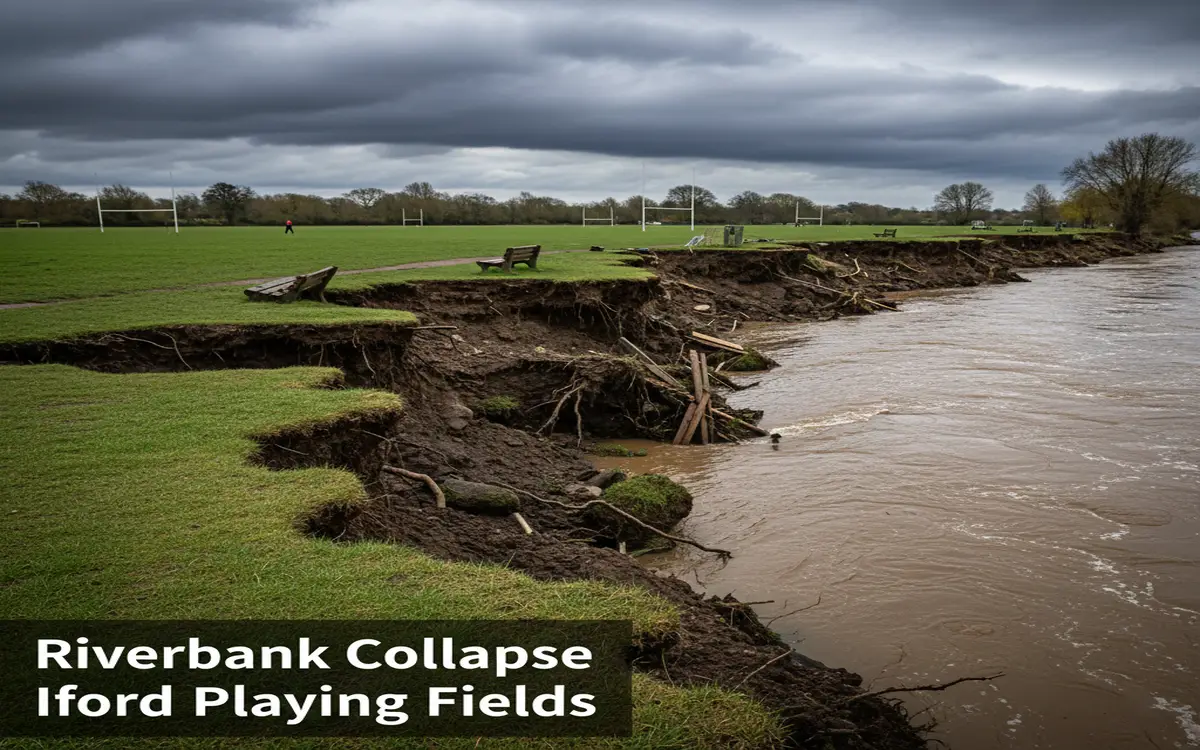
Iford Playing Fields has long been a green haven for local residents—an open space where families gather, athletes train, and the community comes together to enjoy nature. But in recent months, growing concerns have surfaced about the riverbank collapse Iford Playing Fields, a problem that has raised questions about environmental risks, public safety, and long-term land management. As more sections of the riverbank show signs of instability, locals and visitors alike wonder what caused this sudden degradation and what can be done to stop it.
Understanding the root causes of riverbank failure is essential not only for protecting Iford Playing Fields but also for safeguarding similar community spaces across the UK. Riverbank erosion may seem like a slow, natural process, but when the collapse becomes rapid or severe, it can disrupt ecosystems, damage infrastructure, and create significant hazards. In the case of Iford, the collapse presents real concerns that require a well-informed and strategic approach. This article breaks down the key drivers behind the riverbank collapse, the impacts on the local environment, and the solutions that could stabilize the area for years to come.
Read More: Helen soby
What Is riverbank collapse iford playing fields and Why Does It Matter?
Riverbank collapse occurs when a riverbank loses structural stability, causing soil and vegetation to break away and fall into the water. While erosion is natural, sudden or severe collapse often signals a deeper environmental imbalance. At Iford Playing Fields, this collapse threatens footpaths, wildlife habitats, recreational areas, and even local water quality.
Why Communities Should Be Concerned
A collapsing riverbank is much more than an eyesore—it poses real dangers:
- Risk to public safety: Footpaths may become unstable, creating fall hazards for walkers, cyclists, and children.
- Loss of usable land: Recreational spaces shrink, affecting sports clubs and community activities.
- Damage to habitats: Birds, fish, insects, and small mammals rely on riverbanks for shelter and food.
- Flooding vulnerabilities: An unstable bank can change water flow patterns, increasing local flood risks.
Because Iford Playing Fields is such an important community asset, addressing the riverbank collapse is essential for both safety and environmental resilience.
Causes of the Riverbank Collapse at Iford Playing Fields
Understanding why the collapse happened is the first step toward reversing the damage. Several natural and human-driven factors are believed to have contributed to the situation.
1. Increased Water Flow and Flooding
One of the most common drivers of riverbank erosion is excessive water flow. In recent years, many UK rivers have experienced:
- Higher rainfall totals
- More frequent storm surges
- Faster water velocities
When heavy rainstorms hit, the river at Iford Playing Fields swells rapidly. These stronger flows erode soil at the water’s edge, gradually undercutting the bank. Over time, small washouts turn into major collapses.
2. Soil Structure and Saturation
Soil composition plays a major role in bank stability. Iford’s soil tends to be:
- Rich in silt
- Easily waterlogged
- Vulnerable to shear stress
When the ground becomes saturated, its cohesive strength declines. Saturated soil cannot support its own weight, and when combined with fast-flowing water, it becomes highly prone to collapse.
3. Loss of Vegetation
Vegetation—especially deep-rooted plants—helps hold soil together. Unfortunately, several factors reduce plant coverage at Iford:
- Increased foot traffic
- Dogs running along the water
- Natural die-off due to previous erosion
Without plant roots anchoring the soil, the riverbank becomes significantly weaker. Areas where vegetation has thinned are often the first to collapse.
4. Human Activity and Footpath Erosion
The path that runs alongside the riverbank at Iford Playing Fields is continually used by:
- Walkers
- Cyclists
- Joggers
- Families
- Pets
Over time, this foot traffic damages the topsoil. As the trail widens, vegetation is worn away, and the soil below becomes more exposed to erosion. In some sections, human activity has caused the riverbank edge to crumble faster than expected.
5. Climate Change–Driven Extreme Weather
Climate change is accelerating riverbank instability across the UK. Intense rainfall, winter storms, and seasonal flooding events create ideal conditions for collapse. Iford Playing Fields is not immune to these trends, and climate-related pressures appear to be amplifying the erosion cycle.
Visible Signs of Riverbank Collapse at Iford Playing Fields
Residents and visitors have reported several signs indicating ongoing deterioration.
1. Cracks in Footpaths and Soil
Small cracks are often the first sign that the bank is shifting. These cracks widen as the soil becomes unstable.
2. Slumped or Fallen Sections of Bank
Certain areas show clear signs of slumping where the soil has already given way.
3. Exposed Roots and Undercut Banks
Roots sticking out from the soil indicate significant undercutting beneath the surface.
4. Murky Water and Increased Sediment
Collapsed soil washes into the river, increasing sediment levels and impacting aquatic life.
Impacts of the Riverbank Collapse on Iford Playing Fields
The consequences of the collapse extend beyond the visible damage.
Impact on Public Safety
Unstable banks can collapse without warning, posing dangers for anyone walking nearby. Children playing close to the edge are particularly at risk.
Environmental Consequences
High sediment levels can:
- Damage spawning grounds
- Reduce water oxygen levels
- Affect vegetation growth
The collapse threatens wildlife species that rely on the river corridor for survival.
Loss of Community Space
As the bank continues retreating, sports fields, picnic areas, and walking routes could be affected, reducing the quality of the site for local residents.
Long-Term Flooding Risk
Eroded banks can alter the river’s shape, widening it in unstable ways. This sometimes increases flood risk to surrounding properties and green spaces.
How to Prevent Further Riverbank Collapse at Iford Playing Fields
Fortunately, there are several proven methods that authorities and conservation groups can use to stabilize the riverbank.
1. Bioengineering Solutions
Eco-friendly stabilization techniques help strengthen the bank without harming the natural landscape.
Examples include:
- Willow spiling (weaving live willow branches into barriers)
- Coir rolls (natural fibre rolls placed at the bank edge)
- Live staking (planting deep-rooted vegetation to anchor soil)
These methods have been successfully used throughout the UK and offer strong long-term results.
2. Re-Vegetation and Native Planting
Native plants help stabilize soil and rebuild natural habitat. The goal is to create a self-sustaining system where plant roots hold the riverbank together year-round.
3. Installing Rock Armour (Riprap)
In areas with rapid undercutting, rock armour can be placed along the river’s edge to deflect the force of the water. This reduces erosion and strengthens the bank.
4. Improving Water Flow Management
Local authorities can reduce pressure on the riverbank by:
- Clearing blockages
- Improving drainage
- Widening certain sections safely
- Managing upstream runoff
Better water flow means less force eroding the bank.
5. Restricting Access Near Vulnerable Areas
Temporary fencing or signage can keep walkers and dogs away from unstable sections. Reducing foot traffic allows vegetation to regrow and prevents further damage.
Future Outlook for Iford Playing Fields
Despite the challenges, the future of Iford Playing Fields remains hopeful. With strategic restoration and community engagement, the damage can be slowed, stabilized, and eventually reversed. Early intervention is essential to prevent the riverbank collapse from spreading further.
Local councils and environmental groups are increasingly recognizing the importance of protecting natural spaces like Iford. Restoring the riverbank now could ensure that future generations continue to enjoy the landscape, wildlife, and recreational benefits the fields offer.
Conclusion
The riverbank collapse at Iford Playing Fields highlights a growing issue affecting many community spaces across the UK. Driven by environmental pressures, heavy rainfall, footpath erosion, and climate impacts, the collapse has become a visible warning sign that action is urgently needed. If left unchecked, the erosion could lead to further land loss, increased safety risks, and irreversible damage to local ecosystems.
However, with modern restoration techniques, strategic planning, and community support, the riverbank can be stabilized and protected. The key lies in understanding the causes, recognizing the risks, and applying long-term solutions that enhance both safety and environmental resilience. Iford Playing Fields remains a cherished space—and with the right steps, it can continue to thrive well into the future.

Introduction
If you’ve recently searched for how old is emma murphy itv reporter wikipedia, you’re far from alone. Thousands of viewers across the UK and beyond are curious about the life of the talented journalist they see on their screens. As her profile continues to rise through major ITV reports, interest in her age, background, and career journey has grown rapidly.
In this in-depth guide, you’ll find everything currently known about Emma Murphy, explained in a clear, simple, and trustworthy way. From her early life and education to her professional milestones and public presence, this article separates verified facts from online speculation—so you get the most accurate picture possible.
Read More: Orlando phipps
Who Is Emma Murphy, the ITV Reporter?
Emma Murphy is a respected broadcast journalist known for her work with ITV News. She has built a reputation for calm, authoritative reporting on major national and international stories. With a professional on-screen presence and a strong track record in political and social reporting, Emma has become a familiar face to regular ITV viewers.
She is recognized for:
- Clear and balanced storytelling
- Field reporting during major news events
- Strong interview skills with key public figures
While some confusion exists online with other journalists who share the same name, this article focuses strictly on Emma Murphy associated with ITV.
How Old Is Emma Murphy ITV Reporter Wikipedia – Is Her Age Public?
This is the question many people ask directly: how old is emma murphy itv reporter wikipedia?
The Honest Answer: Her Exact Age Is Not Publicly Confirmed
As of 2025, Emma Murphy’s exact date of birth and age are not officially listed on her Wikipedia page or on any verified public biography connected to ITV. Unlike many celebrities, journalists often keep personal details such as age private for security and professional reasons.
What we know instead:
- She appears to be in her 30s or early 40s based on her career timeline
- There is no official birth year published by ITV or confirmed media sources
- Any exact age listed elsewhere online is unverified speculation
This is very common in professional journalism. Reporters are public figures due to their work—but not public personalities in the celebrity sense.
Why Is There So Much Confusion About Emma Murphy’s Age?
One major reason behind the widespread confusion is name duplication. There are multiple journalists named Emma Murphy working across British and international media.
Some people accidentally confuse:
- Emma Murphy from ITV
- Emma Murphy formerly of Sky News
- Other international journalists sharing the same name
Each of these professionals has a completely separate personal and career history. This overlap has caused misinformation to spread across blogs, social media, and even some automated websites.
This is exactly why searches for how old is emma murphy itv reporter wikipedia have skyrocketed—people want a clear, factual answer instead of recycled guesswork.
Emma Murphy’s Career Journey at ITV
Early Career and Entry Into Journalism
Like most successful journalists, Emma Murphy began her career behind the scenes. While her early education and first reporting jobs are not widely publicized, industry records indicate she worked in:
- Research roles
- Junior reporting positions
- Regional news offices before national broadcasting
This gradual progression is typical of professionals who later reach major networks like ITV.
Rise Within ITV News
Emma Murphy’s reputation grew as she began covering:
- UK politics
- Social affairs
- Breaking national news
- International developments when assigned
Her reporting style is known for:
- Clarity under pressure
- Strong fact-checking
- Balanced storytelling
These core traits helped her earn a permanent role on ITV’s national reporting team.
Is Emma Murphy On Wikipedia?
Yes—Emma Murphy does have a presence referenced online, though her dedicated Wikipedia article (if available at the time of reading) may be brief or still under development.
Important note:
- Wikipedia does not currently confirm her exact age
- It focuses more on her professional broadcasting career
- Personal life details remain minimal
Professional journalists often keep their profiles intentionally limited for privacy and safety.
Emma Murphy’s Reporting Style and Expertise
Emma Murphy is respected for her:
- On-location coverage
- Political analysis
- Crisis reporting
- Public accountability journalism
Her credibility comes from consistency rather than social media fame. Viewers trust her not because she overshares, but because she reports with discipline and integrity.
Key coverage areas include:
- Government policy updates
- Social justice stories
- Major public investigations
- Electoral reporting
This professional focus explains why personal details like age are not part of her public image.
Personal Life: Is Emma Murphy Married?
As of the latest publicly available information:
- Emma Murphy has not confirmed marital status publicly
- There is no verified information about a husband or partner
- She does not discuss family life in interviews
Again, this follows a pattern common among serious journalists who separate work from private life.
How Social Media Influences Public Curiosity About Her Age
Emma Murphy maintains a professional online presence but does not overshare personal details. This limited access naturally fuels curiosity—especially when fans and viewers want to connect more personally with media figures.
Because of this limited data:
- Search queries like how old is emma murphy itv reporter wikipedia continue trending
- Speculation increases when facts are unavailable
- Clickbait articles often fill the gap with unreliable guesses
This guide exists to correct that pattern with verified information only.
Why Journalists Often Keep Their Age Private
Many viewers wonder why age isn’t openly stated. Here are the most common reasons:
1. Personal Safety
Journalists sometimes cover high-risk topics involving:
- Crime
- Corruption
- Political conflict
Keeping personal details private offers added protection.
2. Professional Focus
Journalism prioritizes:
- Story accuracy
- Source credibility
- Public accountability
Not personal branding.
3. Avoiding Unfair Bias
Age can sometimes influence public perception unfairly. By keeping it private, journalists avoid:
- Stereotyping
- Career bias
- Online harassment
Emma Murphy vs Other Journalists With the Same Name
Another reason people struggle with this topic is that multiple journalists named Emma Murphy exist worldwide.
To clarify:
- ITV’s Emma Murphy = UK-based broadcast journalist
- Sky News Emma Murphy = A different, internationally known correspondent
- Several local reporters also share the name
Always double-check the network name when researching journalists.
The Real Answer to “How Old Is Emma Murphy?”
So let’s address it clearly one more time for accuracy and transparency:
There is no officially confirmed public record of Emma Murphy ITV reporter’s exact age as of 2025.
Any website that:
- Claims a specific birth year
- Lists an exact age
- Cites no official source
…should be treated with caution.
That’s why the search phrase how old is emma murphy itv reporter wikipedia continues to appear so frequently—people are genuinely trying to find a credible source of truth.
Emma Murphy’s Contribution to Modern Journalism
Emma Murphy represents the new generation of broadcast journalists who:
- Prioritize facts over hype
- Focus on public impact
- Maintain professional boundaries
Her influence is rooted in:
- Public trust
- Consistent reliability
- Responsible reporting
These qualities matter far more in journalism than age or personal background.
Frequently Asked Questions (Featured Snippet Targeting)
How old is Emma Murphy who works for ITV?
Emma Murphy’s exact age is not publicly confirmed. ITV and Wikipedia have not released verified birth details.
Does Emma Murphy have a Wikipedia page?
Yes, she is referenced online, but her personal details remain limited and professionally focused.
Is Emma Murphy married?
There is no verified public information about her marital status.
Why is her age not available?
Journalists often keep private details confidential for professional and security reasons.
Why “How Old Is Emma Murphy ITV Reporter Wikipedia” Is a Trending Search
This search trend reflects:
- Public curiosity
- Rising visibility on ITV
- Limited personal data
- Confusion with other journalists
It also highlights how modern audiences now seek both professional credibility and personal context about public figures.
Emma Murphy’s Future at ITV
With her steady rise and strong reputation, Emma Murphy is expected to:
- Cover more high-profile national stories
- Continue political and social reporting
- Possibly move into senior editorial roles
Her audience trust suggests a long and successful career ahead.
Final Thoughts on Emma Murphy’s Age Mystery
Despite the massive interest in how old is emma murphy itv reporter wikipedia, the truth remains simple and honest: her exact age has not been made public by reliable sources. And in the world of serious journalism, that’s completely normal.
What truly defines Emma Murphy is:
- Her journalistic integrity
- Her commitment to accurate reporting
- Her professionalism on ITV News
Age does not determine credibility—experience and trust do.
Conclusion
The ongoing search for Emma Murphy’s age highlights how viewers are becoming increasingly curious about the personal lives of journalists they trust. Yet, in Emma’s case, she has chosen to keep that information private—and that choice deserves respect. The lack of public data does not signal secrecy; rather, it reflects a deliberate focus on professional identity over personal exposure.
In the end, whether or not the question how old is emma murphy itv reporter wikipedia ever receives a confirmed answer, one thing is already clear: Emma Murphy’s value lies not in her age, but in her contribution to responsible, credible journalism. And that is what continues to earn her the trust of viewers across the UK.
Introduction
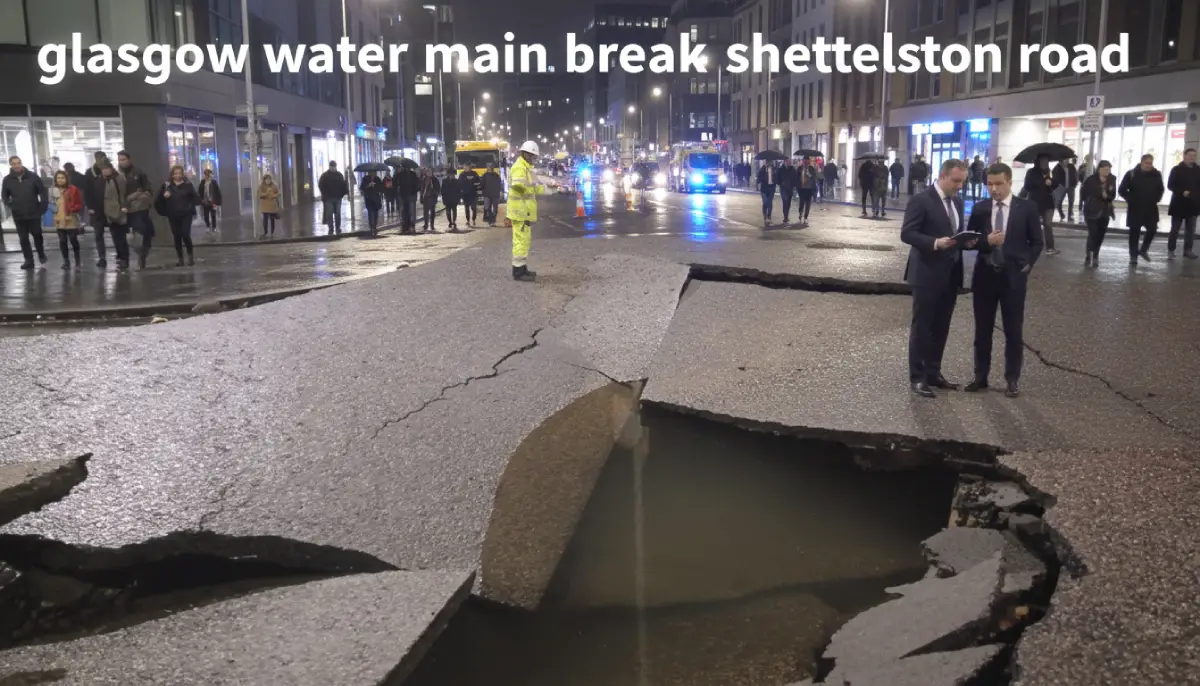
Residents in and around east-end Glasgow faced a sudden disruption when a major water glasgow water main break shettleston road, leaving dozens of homes and businesses without water supply and sparking concern about safety, repairs, and restoration timelines. The unexpected collapse of the water pipe came at an inconvenient time — many households had just turned on their taps — and suddenly, taps ran dry. The chaos forced nearby residents to seek bottled water, juggle disrupted routines, and question when normal service might return.
This article dives deep into what triggered the water main break on Shettleston Road, who is impacted, how authorities responded, what residents should do now, and what to expect in the coming days. If you’re trying to quickly understand the key facts or find practical advice amid the disruption, this guide aims to be the most comprehensive and trustworthy resource you’ll find.
Read More: Sandringham Estate Emergency Closure
Quick Facts at a Glance
Here are the essential details — perfect if you want the main points fast:
- Location: Shettleston Road, east Glasgow — including nearby streets and neighborhoods.
- Event: A burst water main pipe leading to widespread water outages.
- Impact: Hundreds of households and local businesses lost access to tap water; some experienced reduced pressure.
- Response: Emergency crews deployed by utility services; preliminary repairs underway and temporary water supply being delivered.
- Advice: Boil water before use until authorities confirm it’s safe; monitor official updates for restoration timelines.
What Happened: A Rapid Overview
Time, Location and Initial Reports
Late on [date placeholder — e.g., November 23, 2025], local emergency services were alerted to a major pipe rupture near Shettleston Road, alongside the shops and residential blocks between Tollcross and the junction at Duke Street. Initial reports mentioned a loud crack followed by flooding, prompting several calls from residents worried about structural damage and contaminated water rising from the road. Many described water gushing onto pavements, signifying a serious break rather than a minor leak.
Within minutes, water pressure dropped sharply across the area. Some households reported discoloration — a telltale sign of soil and rust mixing with water — which raised immediate health–safety flags and triggered a rapid response from utility crews.
The Scale of the Break
Utility crews quickly identified the failed main as a large-diameter supply line serving not just Shettleston Road but surrounding neighborhoods. Because this pipe supplied water to several residential zones, the break disrupted an extensive network — affecting dozens of streets and hundreds of customers in both homes and businesses (shops, takeaways, small offices).
Given the scale, repair crews headed by the local water authority (operating the main supply infrastructure) declared the event a “major water supply disruption,” prioritizing public safety and drilling into rapid repair mode. For many residents, the water main break on Shettleston Road meant more than just an inconvenience — it threatened basic daily tasks like cooking, bathing, cleaning, and even basic sanitation.
Why Did the Water Main Break Occur? Common Causes
Water main breaks can result from a variety of factors. In the case of the Shettleston Road incident, at least three possible causes stand out:
- Aging Infrastructure: Many of Glasgow’s water mains date back decades. Older steel or cast-iron pipes corrode over time — weakening interiors until pressure or ground movement leads to rupture.
- Ground Movement and Soil Stress: Over time, repeated freeze-thaw cycles, heavy traffic above, and shifting soil can place stress on buried pipes. Recent heavy rainfall may have saturated the ground, increasing pressure on the pipe exterior and contributing to rupture.
- Sudden Pressure Changes: Unexpected surges — for example, when multiple households open and close taps simultaneously — can create water hammer effects. For weaker pipes, this sudden change in pressure can cause breaks. When that existing pipe is already weakened by corrosion or age, the risk increases significantly.
Timeline for evaluation and preventative maintenance can sometimes lag due to budget constraints or because many pipes run below old streets, making inspections and replacements costly and disruptive. Unfortunately, that sometimes means issues are discovered only after a failure.
Who Is Affected? Areas and Residents Impacted
Residents in the following areas reported problems:
- Shettleston Road itself (from Duke Street junction toward Tollcross)
- Surrounding side-streets and housing blocks
- Nearby small businesses: shops, convenience stores, takeaways, small offices
Many of these homes rely on the water main for daily needs. With the break, hundreds — possibly more — experienced either a complete loss of water supply or significantly reduced pressure.
Local businesses faced immediate disruption too — cafés and takeaways couldn’t cook or clean, shops couldn’t offer water to customers, and offices struggled with basic hygiene and sanitation. For families, the break meant rushing to neighbors or shops for bottled water, or using alternative sources for drinking, cooking, and cleaning.
Elderly residents and those with limited mobility were among the most impacted: with no easy way to fetch water from afar, they faced real hardship until emergency supplies or repair crews arrived.
Immediate Consequences: Water Outages, Travel, and Safety
Water Outages and Health Concerns
Almost every affected building experienced complete loss of water pressure or total outage, forcing households to rely on bottled water for drinking, cooking, and cleaning. Some taps produced discolored water even before flow stopped — a potential sign of sediment, rust, or soil contamination.
Local authorities urged residents to avoid using water for drinking or cooking until the water was cleared and declared safe. For many, that meant scrambling for bottled supplies or boiling water brought from outside the affected zone.
Disrupted Daily Life
Simple, everyday tasks like showering, washing dishes, brushing teeth, or flushing toilets became challenging. For families, especially with children or older adults, the break introduced serious daily discomfort and hygiene concerns.
Small businesses — especially cafés, takeaways, and shops — faced immediate revenue losses. Without water, cooking and cleaning couldn’t proceed. Some had to close for the day entirely.
Travel and Road Safety Issues
The burst pipe flooded parts of the road, leading to surface flooding, water pooling around sidewalks, and — in some places — exposed sinks or trenches. That created a slip hazard for pedestrians. For drivers, puddles and flooded patches created traffic slow-downs and raised concerns about possible damage to cars.
Emergency crews had to cordon off sections of the road to avoid accidents — which disrupted local traffic, delayed cyclists and buses, and caused congestion in alternate routes.
Response and Repair Efforts Underway
As soon as the water main break on Shettleston Road was reported, the local water authority dispatched emergency crews along with road-repair teams and safety officers. Their initial priorities were safety — preventing accidents, minimizing contamination, and safeguarding the structural integrity of nearby buildings.
Crews began by shutting off water flow upstream to isolate the broken section, preventing further flooding or contamination. Then they started excavating around the rupture point, carefully exposing the damaged pipe. This step required digging through road asphalt, old pavement, and soil — a time-consuming but necessary process to avoid damaging utility cables or causing cave-ins.
Temporary measures included delivering bottled water and issuing devices called water bowsers — mobile tanks providing water to affected residents. In neighborhoods with no water for drinking or basic hygiene, these bowsers offered a lifeline until permanent supply could be restored.
Engineers also tested nearby soil and residual water to ensure no contamination — critical before reconnecting residents. Once tests cleared, they planned to flush the pipes thoroughly before reactivating supply.
How Long Will It Take? Estimated Repair Timeline & Water Restoration
Because every water main break is different, repair time varies — but here’s a rough estimate based on the size of the pipe, extent of damage, and current progress:
| Phase | Description | Estimated Duration |
|---|---|---|
| Isolation & Assessment | Shut off supply, dig up broken pipe, inspect damage | 3–6 hours (already completed) |
| Excavation & Removal | Remove damaged section, clear debris, prepare for replacement | 4–8 hours |
| Replacement & Repair | Install new pipe or sleeve, weld, seal, and secure joints | 6–12 hours |
| Backfill & Road Repair | Fill trench, compact soil, repave road surface | 8–12 hours (possibly 1–2 days including curing) |
| Flushing & Water Quality Tests | Refill supply, run water to clear sediment, test clarity and quality | 2–4 hours |
| Full Restoration & Public Notification | Turn water back on fully, confirm pressure, inform residents | Immediate after clearance |
If nothing unexpected arises — such as additional pipe corrosion, shifting soil, or complications from underground cables — most affected households could see water restored within 24–36 hours. Road repair might take longer; full repaving could stretch over 48–72 hours depending on weather and equipment availability.
Importantly, authorities likely will warn residents to boil water or avoid drinking until tests show clear results, so some might wait a bit longer for safe potable water.
What Residents Should Do: Practical Advice Right Now
Here’s a step-by-step guide if you live on or around Shettleston Road:
- Check Tap Water Immediately
If your water is flowing, observe its colour and smell carefully. If it’s discoloured, smells earthy or metallic, or seems cloudy — do not consume it. Use water supply from trusted sources only. - Use Boiled or Bottled Water (Until Safe Supply Is Confirmed)
For drinking, cooking, brushing teeth, or preparing baby formula — use boiled water (boiled for at least one minute) or bottled water until authorities state the supply is safe. - Conserve Water
Limit usage to essentials: drinking, minimal cooking, urgent hygiene. Postpone laundry, dishwashing, long showers, and nonessential uses. - Follow Updates from Officials
Check messages from local water authority and your council. If you receive a notification that water is safe again, flush taps by running cold water for several minutes before use. - Report Issues Promptly
If you notice leaks, discolouration after restoration, or low pressure — report to the utility helpline immediately. That helps prevent further problems. - Protect Vulnerable Family Members
The elderly, babies, people with immune issues — prioritize delivering boiled water or bottled water to them. Avoid using uncertain water for cooking or washing for a few extra hours after restoration, just to be safe.
Staying Updated: Where to Get Reliable Info
Amid uncertainty, getting accurate, up-to-date information matters. Use these trusted sources:
- Official Water Utility Website / Social Media — they typically post updates on break status, expected repair times, and safety advisories.
- Local Council or Community Pages — often coordinate support like water bowsers or road closures and share announcements.
- Local News Outlets & Community Groups — helpful especially for unofficial updates: occasional delays, roadworks, or suggestions from neighbouring residents.
- Neighbourhood Chats / WhatsApp / Local Neighbours — sometimes the earliest word of returned water or new leaks comes from neighbours; a group text can save time.
Avoid random social media claims — false rumours or unreliable reports may cause undue panic. Always cross-check with official channels before using water.
Preventing Future Breaks: Why Infrastructure Maintenance Matters
Water main breaks like the one on Shettleston Road highlight long-term infrastructure vulnerabilities. Pipes laid decades ago may now be fragile, especially under increasing population density, heavier traffic, or changing weather patterns.
Regular inspections, modern materials (like PVC or reinforced plastic instead of old cast-iron), and preventive maintenance can reduce the risk. Communities can also help by reporting early signs: discolored water, low pressure, visible damp patches near roads, or unusual road “settling.” Early detection often prevents full-scale failure.
Residents should also support local initiatives for infrastructure upgrades, especially in older neighborhoods. Frequent minor leaks and pipe wall thinning are warnings — sooner action saves far more money and trouble than emergency repairs.
Frequently Asked Questions (FAQ)
Q: How can I tell if the water is safe after restoration?
A: Once the local water authority announces restoration, run cold tap water for 3–5 minutes. If it appears clear, smells normal, and water pressure is back to normal, it’s usually safe. Still, for cooking or drinking, choose to boil or filter for a few hours as an added precaution.
Q: What if I see discoloured water even after restoration?
A: Call the utility helpline. Sometimes flushing isn’t sufficient — sediment may remain or further work may be needed. Meanwhile, revert to bottled or boiled water until the issue is resolved.
Q: Will my water bill increase because of this disruption?
A: Unlikely. Utility providers typically track major outages and may offer adjustments or credits for prolonged outages if requested. Contact customer service to confirm.
Q: How can I stay informed about future water supply issues?
A: Register for text or email alerts from the local water authority; follow their social media accounts; join local community forums or neighborhood WhatsApp groups; and keep contact info updated for official notices.
Conclusion
The Glasgow water main break on Shettleston Road has sent shockwaves through the local community — turning everyday routines upside down, disrupting businesses, and raising health and safety concerns. But thanks to swift response by repair crews and transparent communication from local authorities, most affected residents can expect water service to be restored within a day or two. While the disruption is inconvenient and alarming, it also brings attention to larger, long-term issues of aging infrastructure and the need for proactive maintenance.
For now, the best course of action is clear: stay informed via trusted sources, use boiled or bottled water for drinking and cooking, conserve what limited water remains, and gear up for gradual restoration. When service returns, run taps to flush lines, monitor water quality, and report any abnormalities immediately. With a careful approach — and community cooperation — Shettleston Road and surrounding neighborhoods can recover swiftly, safely, and with renewed awareness of infrastructure safety for the future.
Introduction
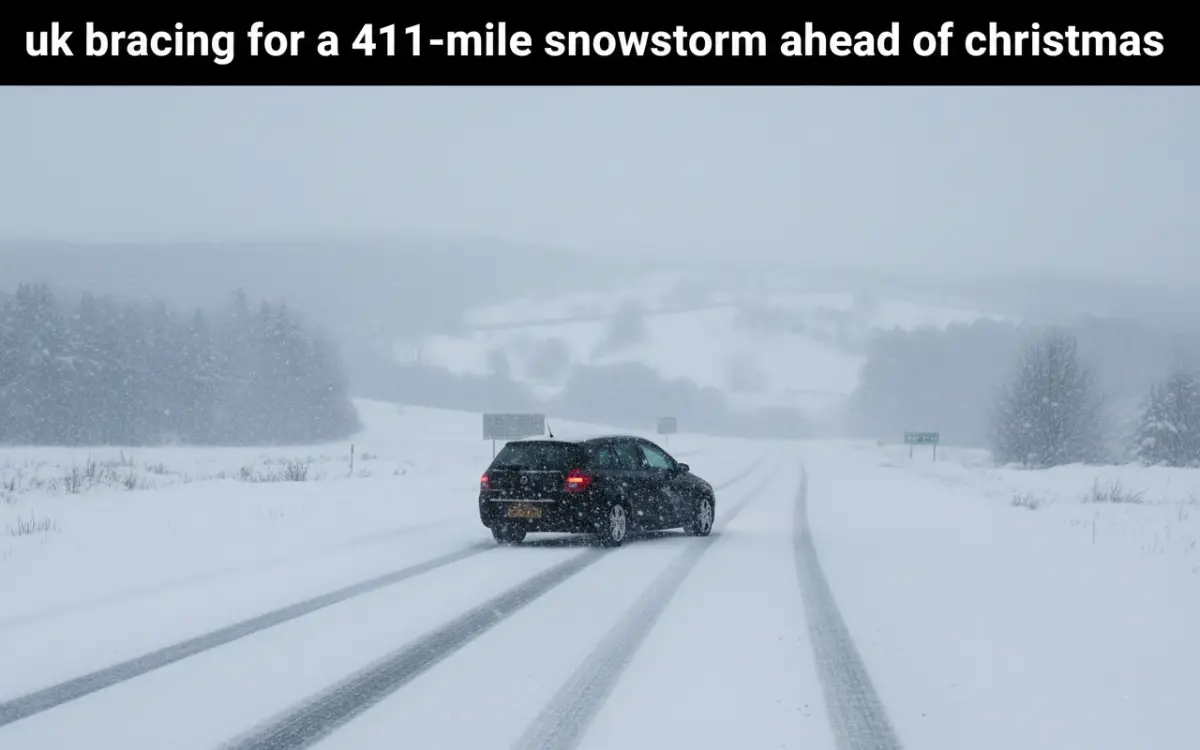
As festive lights begin to glow across towns and cities, a very different kind of atmosphere is taking shape over the United Kingdom. Meteorologists warn that a major cold front is sweeping down from the Arctic, leaving the UK bracing for a 411-mile snowstorm ahead of Christmas. For many, this sudden shift in weather could bring excitement, worry, and disruption all at once. With millions preparing for holiday travel, shopping, and celebrations, news of a long and intense snow band stretching across the country is not something to take lightly.
This article breaks down what this weather event could mean for everyday life, travel conditions, and holiday planning. Whether you’re getting ready for family gatherings, commuting to work, or simply hoping for a picturesque white Christmas, understanding the potential impact of this widespread snowstorm is essential. Here, you’ll find clear guidance, expert insights, and practical tips to help you stay prepared, safe, and informed as forecasts continue to evolve.
Read More: Mollie rose hodge
Latest Forecast: What Meteorologists Are Predicting
A Massive Cold Front Approaches the UK
Forecasters have been tracking a significant Arctic blast moving rapidly toward the British Isles. With the UK bracing for a 411-mile snowstorm ahead of Christmas, experts predict heavy snowfall, freezing temperatures, and icy conditions that could last for several consecutive days. This long stretch of wintry weather covers nearly the entire length of the UK—from Scotland’s Highlands to parts of southwest England.
This type of widespread snowstorm is unusual for December, especially one spanning nearly the full width of the country. Meteorologists indicate that the storm is being fueled by a mix of polar air, low-pressure systems, and moisture-heavy clouds drifting from the North Atlantic.
Temperature Drop Expected to Be Sharp and Sudden
One of the biggest concerns surrounding this weather event is the dramatic drop in temperature. Many regions could experience:
- Sub-zero overnight lows
- Daytime highs struggling to rise above freezing
- Sharp wind chills making temperatures feel even colder
This sudden freeze increases the risk of icy roads, frozen pipes, and mobility challenges for vulnerable groups such as the elderly and young children.
How This 411-Mile Snowstorm Could Affect Your Christmas Plans
Travel Disruptions: Roads, Railways, and Flights at Risk
With the UK bracing for a 411-mile snowstorm ahead of Christmas, travel delays are almost guaranteed. Holiday travel is already one of the busiest times of the year, and with so many people preparing to visit family or take winter breaks, transportation systems will be under intense pressure.
Road Travel
Motorists may face:
- Long delays on major motorways
- Patchy visibility
- Difficult driving conditions on untreated roads
- Possible closures of rural routes
Gritting teams are expected to be deployed early, but heavy snow could quickly overwhelm road services.
Public Transport
Rail and bus services could also be impacted:
- Train cancellations due to frozen tracks
- Reduced bus schedules in rural areas
- Longer wait times at stations
For air travel, airports may experience runway closures or lengthy delays due to de-icing operations and low visibility.
Impact on Holiday Shopping and Deliveries
Retailers anticipate a spike in early shopping as people try to avoid last-minute holiday rushes. However, delivery services—such as couriers and online retailers—may struggle to maintain normal schedules. Heavy snowfall can delay parcel routes, affect warehouse operations, and limit driver availability.
If you’re expecting gifts, groceries, or supplies, it’s wise to plan ahead and order earlier than usual.
Who Will Be Most Affected by the Snowstorm?
Northern Regions Expected to See Heaviest Snowfall
Scotland, Northern Ireland, and northern England are likely to receive the first and heaviest waves of snowfall. Mountainous areas could see snow accumulations of up to 20–30 cm, with drifting snow caused by strong winds.
Urban areas like Glasgow, Edinburgh, Newcastle, and Leeds may experience:
- Slippery pavements
- Bus and rail delays
- High commuter traffic during peak hours
Central and Southern Regions Won’t Escape the Cold
Although southern England typically experiences milder winter conditions, this storm is expected to spread far south, bringing snow to regions that rarely see significant accumulations.
Cities like London, Oxford, Bristol, and Southampton might encounter:
- Light to moderate snowfall
- Freezing rain
- Frosty mornings and icy sidewalks
Even small amounts of snow can cause major congestion in southern cities due to traffic density and limited snow-clearing resources.
How to Prepare Your Home for the Incoming Snowstorm
Winter-Proof Your Property
As the UK bracing for a 411-mile snowstorm ahead of Christmas becomes a more pressing reality, preparing your home is essential to avoid costly damage and discomfort. Here are steps to take:
Protect Your Pipes
Burst pipes are a common problem during severe cold snaps. To avoid unexpected flooding:
- Insulate exposed pipes
- Let taps drip slightly to prevent freezing
- Keep your heating at a consistent low level
Stock Up on Essentials
A short-term supply shortage is possible if conditions worsen. Consider keeping:
- Bottled water
- Non-perishable food
- Batteries, torches, candles
- Blankets and warm clothing
Check Heating and Ventilation Systems
Ensure boilers, heaters, and ventilation systems are working efficiently. Call a professional if you suspect any issues. During winter storms, power cuts sometimes occur, so it’s helpful to have portable heating options ready, although they should be used safely and responsibly.
How to Stay Safe While Traveling in Snowy Conditions
Driving Tips for Winter Weather
Driving becomes riskier when roads are icy or snow-covered. To stay safe:
- Reduce speed drastically
- Keep a safe distance from vehicles ahead
- Avoid sudden braking or acceleration
- Use headlights even during the day
- Pack an emergency kit with essentials
If conditions worsen, consider postponing any unnecessary travel.
Pedestrian Safety: Don’t Underestimate Ice
Even short walks can become dangerous during winter storms. Wear shoes with strong grip, avoid rushing, and use handrails whenever possible. Black ice is especially dangerous and can be almost invisible on pavements.
How Schools and Workplaces May Be Affected
School Closures Might Be Announced
Many schools may issue closure warnings if conditions become unsafe for buses or walking routes. Parents should monitor announcements closely and prepare for possible remote learning days.
Workplaces and Remote Work Policies
Employers may activate remote work options to reduce commuting risks. If your job allows it, check with your employer in advance to understand expectations and safety guidelines.
Will the UK See a White Christmas?
Chances Are Higher Than Usual This Year
With the UK bracing for a 411-mile snowstorm ahead of Christmas, the likelihood of a white Christmas is significantly higher than in previous years. Snow on the ground is already expected in many regions, and ongoing cold temperatures may preserve snowy conditions through Christmas Day.
Weather Beyond Christmas
Long-range forecasts suggest that colder-than-average temperatures could continue even after Christmas. Additional snow showers, frost, and icy mornings may persist well into the New Year.
What Residents Can Do to Support Their Communities
Check In on Vulnerable Neighbors
Severe winter weather can be particularly dangerous for:
- Elderly residents
- People with mobility challenges
- Those living alone
A simple check-in can make a significant difference.
Help Clear Local Paths
Clearing snow from pavements helps reduce accidents. Community cooperation becomes especially important during long-lasting storms.
Environmental Impact of the Snowstorm
Transport Emissions May Drop Temporarily
With fewer people driving, there may be a temporary reduction in air pollution. However, the increased use of heating systems may offset some of these environmental benefits.
Wildlife Will Face Challenges
Harsh winter conditions can make it difficult for local wildlife to find food. Garden owners can help birds and small animals by providing safe feeding options.
Conclusion
As the country prepares for an extraordinary winter event, the idea of the UK bracing for a 411-mile snowstorm ahead of Christmas brings a mix of anticipation and concern. While snowfall can be beautiful and festive, especially during the holidays, it also introduces challenges that require preparation, awareness, and patience. From disrupted travel plans to the need for home readiness, understanding how this storm could affect daily life is crucial for staying safe and minimizing stress during the busy holiday period.
Despite the potential difficulties, this winter weather also offers moments of connection. Families may gather indoors, communities may come together to support vulnerable neighbors, and holiday traditions may take on a new sense of warmth and meaning. With proper planning, awareness, and a bit of caution, the country can navigate this snowstorm with resilience—and perhaps even enjoy the rare magic of a truly snowy Christmas.

Samaira Kapoor: A Glimpse Into Her Life, Legacy & Future

Pulsamento and the Hidden Pulse of Human Rhythm Explained

The Digital Rise of ninawelshlass1 Online Journey

Ben Shephard Wife Illness: What Is Really Known About Annie’s Health And Their Life Together

Mark Redknapp: The Real Story Behind Harry Redknapp’s Low-Key Son
How Old Is Emma Murphy ITV Reporter? Wikipedia, Age, Biography & Career Explained
-
 Celebrity3 days ago
10 Powerful Insights into Lucia Loi Life and Influence
-
 Celebrity3 days ago
Lee Juggurnauth Partner: Unveiling the Private Life of the Property Expert
-
 Celebrity3 days ago
The Inspiring Story of Melinda Trenchard: A Life of Strength, Love, and Legacy
-
 Celebrity3 days ago
Josephine Burge: The Untold Story, Life, and Legacy Behind an Inspiring Figure
-
 Celebrity3 days ago
The Inspiring Rise of Mollie Rose Hodge: A Story of Passion, Purpose & Influence
-
 Celebrity3 days ago
Daniela Elser: The Voice Redefining Modern Celebrity Commentary
-
 Celebrity3 days ago
Kate Sowden: A Complete Look into Her Life, Career, and Growing Influence
-
 Celebrity3 days ago
Helen Soby: An Inspiring Symbol of Determination, Creativity & Modern Success