Education
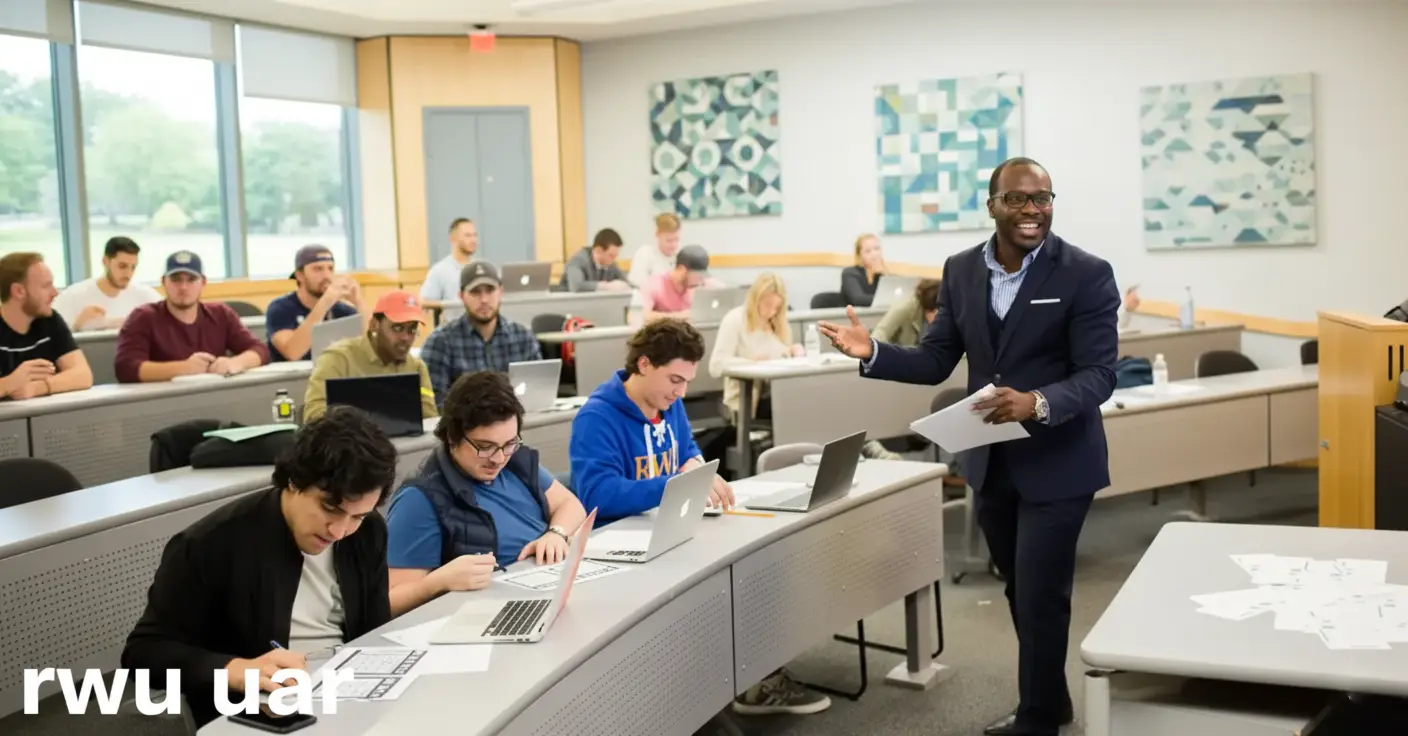
RWU UAR – Meaning, Uses, Benefits, and Complete Guide for Beginners

Introduction
Every few years, a new digital term quietly enters the online world, sparks curiosity, and slowly becomes part of serious industry discussions. Some concepts go viral overnight, while others grow gradually through practical use and niche adoption. Recently, one such term has started showing up in technical blogs, research discussions, and experimental digital platforms, leaving many people wondering what it actually means and why it is becoming important.
Among these emerging concepts is rwu uar, a term that may sound confusing at first but becomes very practical once you understand how it works. Whether you are a tech enthusiast, digital marketer, researcher, or someone simply interested in modern digital systems, understanding this concept can give you an early advantage in today’s fast-changing tech environment.
This complete guide explains everything in simple and easy English. You will not find complicated technical language here. Instead, you will clearly understand what this concept is, how it functions, where it is used, and how it may shape the future of digital systems. Along the way, we will also explore real-world applications, advantages, challenges, and future growth possibilities.
Will You Check This Article: Market Center Administrator: The Complete Guide to Role, Skills, Salary, and Career Growth
What Does RWU UAR Mean?
The term rwu uar does not yet have a single strict definition because it represents a modern digital framework rather than one specific product. It generally refers to an adaptive access and resource management approach where systems decide access and usage rules based on real-time behavior instead of fixed permissions. In simple words, it allows digital systems to think and adapt before granting access or using resources.
Instead of relying only on usernames and passwords, adaptive systems analyze user behavior, device activity, location changes, and system conditions to decide whether access should be fully allowed, limited, or blocked. This makes systems far more secure and flexible compared to traditional fixed-rule platforms.
Why RWU UAR Is Gaining Attention
The growing popularity of adaptive digital systems is directly linked to how quickly online environments are changing. Cloud computing, artificial intelligence, remote work, and mobile access have completely transformed how data is accessed. At the same time, cyber threats are becoming smarter and harder to detect.
Older security frameworks were built for predictable office environments and local networks. Today, users log in from different countries, devices, and networks at all hours. Fixed access rules simply cannot keep up with this level of complexity. That is why adaptive models like rwu uar are gaining popularity as a smarter alternative.
How Adaptive Systems Based on RWU UAR Work
Adaptive systems continuously analyze behavior instead of relying on static permissions. When a user logs in, the system evaluates multiple factors including device type, login location, access timing, previous behavior patterns, and data sensitivity. Based on this real-time analysis, the system adjusts the access level automatically.
Resource usage also adapts in real time. Instead of assigning fixed server limits, system resources such as storage, processing power, and bandwidth increase or decrease depending on live demand. This ensures smoother performance, better speed, and reduced waste.
Key Benefits of Using RWU UAR Systems
Platforms that use adaptive access models enjoy significantly stronger security because they no longer rely on a single layer of protection. Even if login credentials are stolen, unusual behavior can instantly trigger security restrictions. At the same time, these systems reduce operational costs because resources are only used when needed.
Another major benefit is improved user experience. Trusted users enjoy smoother access without repeated interruptions, while suspicious activity is stopped quietly in the background. Audit tracking also becomes easier because every system decision is logged automatically.
Real-World Applications of RWU UAR
In the financial industry, adaptive access systems are widely used to reduce fraud. Normal transactions are processed instantly, while suspicious transactions trigger additional verification. This helps banks prevent losses without slowing down genuine customers.
In healthcare, medical records are protected through dynamic access rights. Doctors, nurses, and technicians receive different levels of access depending on location, duty time, and treatment requirements. This protects patient data while still allowing quick access during emergencies.
Cloud hosting platforms also use adaptive resource management to handle sudden traffic spikes. Instead of crashing during heavy traffic, servers automatically scale up and then scale down when demand drops. Enterprises also use such systems to secure remote employees by monitoring device health and login patterns in real time.
Difference Between Traditional Systems and RWU UAR
Traditional digital systems depend on fixed rules that remain unchanged unless manually updated. Once a user is granted access, they usually keep the same permissions regardless of changes in behavior or environment. This approach works only in controlled environments.
Adaptive systems based on rwu uar work very differently. Permissions change continuously depending on real-time conditions. Security becomes proactive rather than reactive, and systems automatically prevent threats before damage occurs. This fundamental difference makes adaptive systems far more reliable in modern digital environments.
Security and Risk Management
Although adaptive systems offer stronger security, they still require careful setup. If sensitivity thresholds are set too high, genuine users may face unnecessary restrictions. If they are too low, threats may slip through. That is why professional monitoring and continuous optimization are essential for successful deployment.
When properly managed, adaptive access models drastically reduce data breaches, internal misuse, and system vulnerabilities.
Ethical and Privacy Considerations
Since adaptive systems rely on behavioral data such as login patterns, device usage, and user movement, privacy concerns must be handled responsibly. Users must clearly understand how their data is collected, stored, and used. Regulatory compliance with privacy laws such as data protection frameworks is essential for long-term trust.
Responsible implementation always requires transparency, minimal data collection, and secure encryption to protect user identity.
Role of Artificial Intelligence in RWU UAR
Artificial intelligence powers most adaptive systems. Machine learning helps platforms recognize normal behavior patterns and detect unusual activity. Over time, AI becomes smarter by learning from past incidents and improving detection accuracy. This continuous learning ability is what makes adaptive security models so powerful against evolving cyber threats.
Future Potential of RWU UAR
The future of adaptive digital frameworks looks extremely strong. Smart cities, biometric identity systems, autonomous transportation networks, and intelligent supply chains are all expected to use adaptive access and resource management at their core. As digital ecosystems continue to grow, flexible access control will become a standard requirement.
Common Challenges in Implementation
Despite its benefits, implementing rwu uar requires technical expertise, proper planning, and initial investment. Training employees, integrating with existing systems, and minimizing false security alerts remain key challenges. However, as cloud platforms and automation tools improve, these difficulties are becoming easier to manage.
FAQs
Many people ask whether rwu uar is a software or a concept. In reality, it is a framework-based approach rather than a single software product. It can be implemented using different security and cloud tools.
Small businesses can also use simplified versions of adaptive systems through cloud services. It does not completely remove passwords but reduces their importance. Cost depends on implementation size, but modern cloud automation has made it far more affordable than before.
Conclusion
As digital systems become faster, borderless, and more interconnected, traditional fixed-rule security models are rapidly becoming outdated. Adaptive frameworks offer a smarter way to manage access, security, and performance in real time. Understanding how these systems work is now becoming essential for anyone working with digital platforms.
Whether you manage a website, operate cloud infrastructure, or simply want to stay informed about modern technology, learning about such adaptive frameworks prepares you for the future of digital security.
The growing importance of rwu uar clearly shows that digital systems are shifting toward intelligence-driven control rather than static rules. Instead of blindly trusting credentials, future platforms will analyze behavior and respond instantly to threats and opportunities.



The modern education system is evolving faster than ever, driven by digital transformation, hybrid learning models, and intelligent classroom environments. In this rapidly changing landscape, the idea of classroom 30x represents a powerful shift toward scalable, technology-enhanced, and student-centered learning experiences. It is not just a concept but a structured approach that aims to multiply learning outcomes through innovation, engagement, and adaptive teaching strategies.
Educators today face challenges like limited resources, diverse student needs, and increasing expectations for measurable outcomes. This is where advanced classroom models become essential. The classroom 30x approach emphasizes efficiency, engagement, and exponential learning impact. It integrates pedagogy with smart tools to redefine how knowledge is delivered and absorbed.
As we explore this model in depth, we will uncover how it reshapes teaching methods, enhances collaboration, and builds future-ready learners. From digital integration to performance optimization, every aspect of this framework contributes to a more powerful and meaningful educational experience.
Will You Check This Article: Tapcof: Complete Guide to Benefits, Uses, and Insights
Classroom 30x Framework and Educational Transformation
The classroom 30x framework is built on the principle of multiplying learning efficiency while reducing friction in teaching processes. It focuses on transforming traditional classrooms into dynamic ecosystems where students actively participate instead of passively receiving information. This shift encourages engagement, creativity, and critical thinking at every level of learning.
At its core, classroom 30x emphasizes structured scalability. This means that a single teaching method can be expanded and adapted across multiple learning environments without losing effectiveness. Teachers are empowered with tools that allow them to personalize instruction while maintaining consistency in outcomes. This creates a balance between standardization and flexibility.
Another major aspect of classroom 30x is the integration of digital learning platforms. These platforms support real-time feedback, adaptive assessments, and interactive content delivery. As a result, students become more involved in their learning journey, and educators gain valuable insights into performance trends. This transformation ensures that learning is not just effective but also sustainable in the long run.
Technology Integration in Classroom 30x Environments
Technology plays a crucial role in shaping the classroom 30x ecosystem. From smart boards to AI-powered learning assistants, digital tools are redefining how lessons are delivered. These innovations make classrooms more interactive and responsive to individual student needs.
One of the key benefits of technology integration is accessibility. Students can access learning materials anytime and anywhere, breaking the barriers of traditional classroom boundaries. This flexibility ensures continuous learning, even outside school hours. It also supports students with different learning speeds and styles.
Moreover, data analytics tools help teachers track student progress in real time. By analyzing performance patterns, educators can identify areas where students struggle and provide targeted support. This data-driven approach improves learning outcomes significantly and aligns perfectly with the goals of classroom 30x.
The integration of virtual simulations, augmented reality, and gamified learning modules further enhances engagement. These tools transform complex concepts into interactive experiences, making education more enjoyable and effective.
Student Engagement Strategies in Classroom 30x
Student engagement is one of the most important pillars of the classroom 30x model. Without active participation, even the most advanced systems fail to deliver meaningful results. Therefore, engagement strategies are designed to keep students motivated, curious, and involved throughout the learning process.
Interactive learning activities such as group discussions, problem-solving tasks, and peer-to-peer collaboration are widely used in this model. These activities encourage students to think critically and express their ideas confidently. They also help in developing communication and teamwork skills.
Gamification is another powerful strategy used in classroom 30x environments. By incorporating game-like elements such as points, badges, and leaderboards, students feel more motivated to participate. This creates a sense of achievement and healthy competition within the classroom.
Additionally, personalized learning paths ensure that each student receives content tailored to their abilities. This reduces learning gaps and enhances overall academic performance. Engagement is no longer limited to classroom hours but extends into continuous learning experiences.
Teacher Empowerment and Instructional Innovation
Teachers are the backbone of any educational system, and the classroom 30x model places strong emphasis on empowering educators. Instead of replacing teachers with technology, it enhances their capabilities through smart tools and structured frameworks.
One major advantage is reduced administrative workload. Automated grading systems, attendance tracking, and digital lesson planning tools allow teachers to focus more on instruction and student interaction. This increases productivity and reduces burnout.
Instructional innovation is also a key focus. Teachers can experiment with flipped classrooms, blended learning models, and project-based learning strategies. These methods encourage students to take ownership of their learning while teachers act as facilitators rather than sole knowledge providers.
Professional development programs are also integrated into the system. Continuous training ensures that educators stay updated with the latest teaching methodologies and technological advancements. This helps maintain the effectiveness of classroom 30x across different educational levels.
Learning Analytics and Performance Optimization
Data-driven decision-making is at the heart of the classroom 30x approach. Learning analytics provide valuable insights into student behavior, performance trends, and engagement levels. This allows educators to make informed decisions that improve learning outcomes.
By tracking metrics such as assignment completion rates, test scores, and participation levels, teachers can identify both strengths and weaknesses in their students. This helps in creating targeted intervention strategies for better academic support.
Predictive analytics also plays a significant role. It helps forecast student performance and identify potential risks early. This proactive approach ensures that students receive timely assistance before falling behind.
Performance optimization in classroom 30x is not limited to students alone. It also includes evaluating teaching methods and curriculum effectiveness. Continuous improvement cycles ensure that the learning environment remains efficient and impactful.
Collaboration and Communication in Modern Classrooms
Collaboration is a fundamental element of the classroom 30x ecosystem. Modern education is no longer an isolated activity but a shared experience that involves students, teachers, and even parents.
Digital collaboration tools such as shared documents, virtual classrooms, and discussion forums enable seamless communication. These platforms allow students to work together on projects regardless of their physical location. This enhances teamwork and global learning exposure.
Communication between teachers and students is also more transparent and consistent. Instant messaging systems and feedback tools ensure that doubts are resolved quickly, improving learning efficiency. Parents can also stay updated on their child’s progress through integrated dashboards.
This collaborative environment fosters a sense of community and belonging. It encourages students to learn from each other and develop interpersonal skills that are essential for future success.
Challenges and Future of Classroom 30x Implementation
Despite its advantages, implementing the classroom 30x model comes with certain challenges. One of the major issues is the digital divide. Not all institutions have equal access to advanced technological infrastructure, which can create disparities in learning quality.
Another challenge is the need for teacher training. Without proper guidance, educators may struggle to adapt to new systems and tools. Continuous professional development is essential to overcome this barrier.
Data privacy and security are also important concerns. As classrooms become more digitized, protecting student information becomes a top priority. Schools must adopt secure systems to ensure safe learning environments.
Looking ahead, the future of classroom 30x is highly promising. With advancements in artificial intelligence, machine learning, and immersive technologies, classrooms will become even more adaptive and intelligent. This will further enhance learning efficiency and accessibility for students worldwide.
Conclusion
The classroom 30x model represents a transformative step in modern education, combining technology, pedagogy, and innovation to create a more effective learning environment. It is designed to multiply educational outcomes by enhancing engagement, improving teaching efficiency, and leveraging data-driven insights.
As educational institutions continue to evolve, classroom 30x will play a crucial role in shaping the future of learning. Its focus on scalability, personalization, and collaboration ensures that both students and educators benefit equally. While challenges exist, the long-term potential of this model is undeniable.
Ultimately, classroom 30x is not just a framework but a vision for the future of education—one where learning is smarter, faster, and more impactful than ever before.
Read More: Dollartimes.co.uk
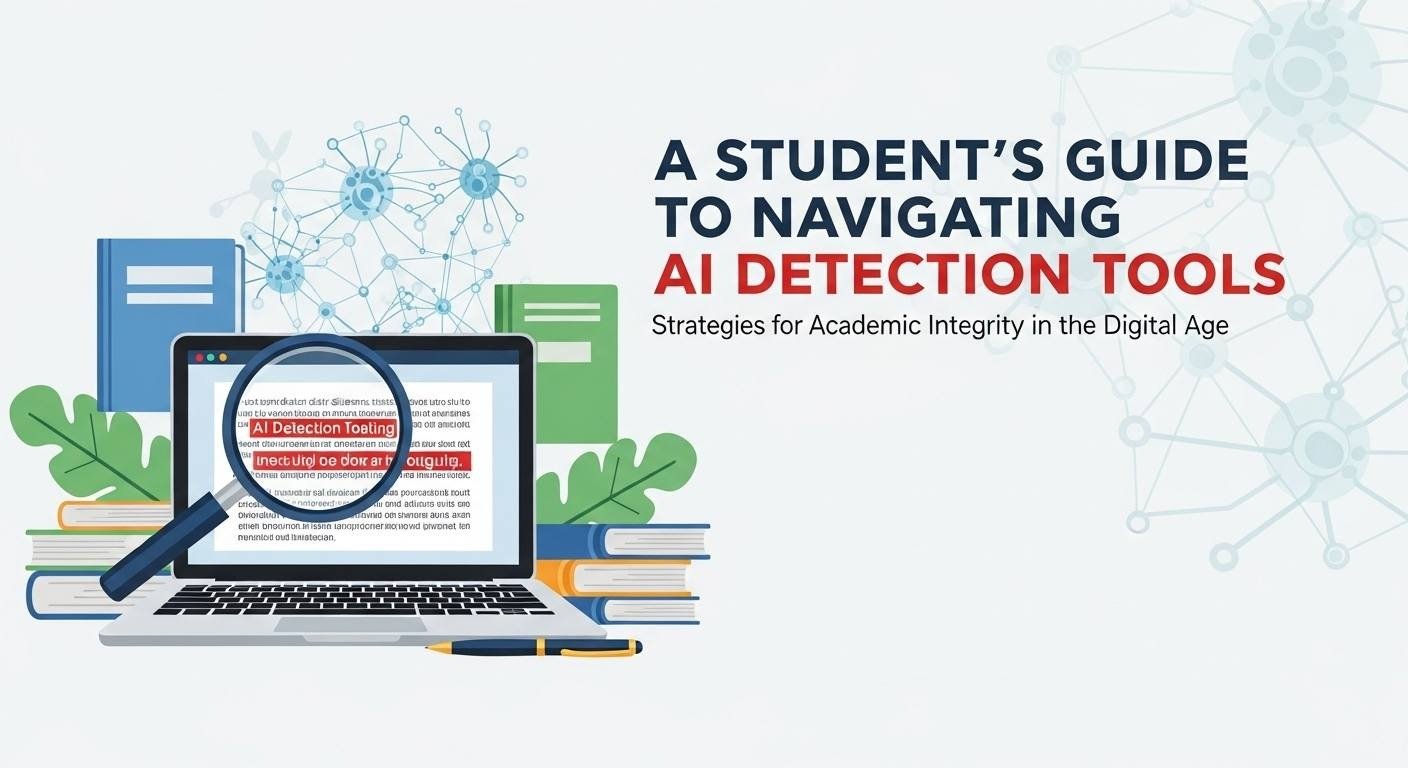
In 2026, A student’s guide to navigating AI detection tools in 2026 isn’t just about “tools” it’s about understanding how detection works, why it can be wrong, and how to protect yourself academically without playing games. If you’re using an online class helper for brainstorming, outlining, proofreading, or study support, this guide will help you stay on the right side of policy while reducing the risk of being unfairly flagged.
Why AI detection is everywhere in 2026
Schools adopted AI detection fast because generative AI changed how students draft, revise, and research. But detection hasn’t become “perfect.” Even major vendors publicly acknowledge that false positives are possible (human writing labeled as AI) and that results should be interpreted carefully.
Key idea: AI detection is typically a probability signal, not proof.
How AI detection tools work (in plain English)
Most AI detectors don’t “recognize ChatGPT.” They look for statistical patterns that are more common in AI-generated text than in typical human writing.
1) Predictability signals (perplexity)
A classic approach is measuring how predictable a text is to a language model. AI-generated writing can be unusually “smooth” and predictable especially if it’s generic, evenly structured, and lacks personal specificity. Tools like GPTZero discuss perplexity as one component of detection.
2) Rhythm/variation signals (burstiness)
Humans tend to vary sentence length, structure, and emphasis more unevenly. Some detectors measure whether “surprise” in word choice varies naturally across the text (burstiness).
3) Classifier models trained on examples
Many detectors use supervised machine learning classifiers trained on datasets of “AI vs human” writing. This is where the biggest limitation appears: training data ages quickly as models evolve—and student writing styles vary widely.
4) Platform-specific signals (metadata + workflow)
Some systems integrate into LMS platforms and can incorporate submission timing, revision history, or patterns across multiple submissions. Not every tool does this, but your workflow can matter.
The biggest myth: “AI detectors can tell with certainty”
They can’t especially for short text, highly edited text, technical writing, or writing by multilingual students.
OpenAI itself warned that AI classification can be unreliable and may mislabel human writing.
And academic guidance pages increasingly highlight that detectors can be inconsistent, with both false positives and false negatives.
Practical takeaway: Treat AI detector scores like a smoke alarm useful as a warning signal, not a courtroom verdict.
Why students get falsely flagged in 2026
False positives don’t happen randomly. They often cluster around certain writing conditions.
1) You write “too clean” (especially under pressure)
When students aim for formal academic tone, they often remove quirks and personal phrasing. That can accidentally resemble the “smooth” cadence detectors associated with AI.
2) Formula-heavy assignments
Lab reports, business memos, case briefs, literature reviews, and technical explanations can have repeated structures, limited vocabulary variation, and standardized phrasing making detection harder.
3) Heavy editing and paraphrasing
If you draft with AI and then heavily edit, some detectors can still flag sections. Conversely, if you draft yourself and then over-edit into a uniform style, that can also look “AI-like.”
4) Non-native English and “translation-like” patterns
Some detector approaches perform poorly across languages and writing styles. OpenAI’s old classifier guidance also warned of performance differences across languages and text types.
5) Short submissions
Short text gives detectors less signal, increasing error risk.
What Turnitin’s AI detection signals mean in 2026
Turnitin’s own documentation and support content emphasize that false positives are possible and that interpretation should be careful especially at low score ranges. Notably, Turnitin documentation describes how low AI scores may be treated differently to reduce misinterpretation.
How to interpret this as a student:
- A score is not a plagiarism verdict.
- A highlight is not proof you used AI.
- The “right” response is process evidence + calm clarification, not panic.
A student-safe workflow for using AI responsibly (and reducing risk)
This is not “how to beat detectors.” It’s how to do honest work in a way that’s defensible if questions come up.
Step 1: Know your course policy (before you draft)
Policies vary wildly:
- Some allow AI for brainstorming only.
- Some allow grammar and clarity edits.
- Some require disclosure/citation.
- Some ban AI assistance entirely.
If your course has a syllabus AI statement, follow it. If it doesn’t, ask your instructor a simple question:
“Is AI allowed for outlining or proofreading if I cite it?”
Step 2: Use AI for “pre-writing,” not “final writing”
Low-risk uses (often allowed, but still check policy):
- brainstorming topic ideas
- generating counterarguments to respond to
- outlining sections
- suggesting sources (you still verify them)
- explaining concepts you’re stuck on
High-risk uses:
- generating full paragraphs in your submission voice
- producing final drafts without disclosure where required
Step 3: Build “process evidence” as you work
This is your best protection if you’re incorrectly flagged:
- Keep outlines, notes, and sources
- Save version history (Google Docs / Word track changes)
- Keep draft timestamps and annotated feedback
- Screenshot research steps if needed
If a detector flags you, evidence of your writing process matters more than arguing about the tool.
Step 4: Add human specificity (the best “human signal” is real thinking)
Detectors struggle when writing contains:
- course-specific references (lecture terms, assigned readings)
- specific examples tied to your class
- nuanced claims with evidence + limitations
- your reasoning steps (why you chose X method, what you rejected and why)
This also improves your grade.
Step 5: Cite AI assistance if your school requires it
Many institutions now treat AI like any other tool: allowed if disclosed. If your instructor allows it, add a short disclosure in a footnote or appendix:
- what tool you used
- what you used it for (outline, proofreading, etc.)
- what you verified/changed yourself
(Use your institution’s preferred format.)
How to handle an AI flag (without making it worse)
If you ever see “AI detected” or your instructor questions your submission:
Do:
- Stay calm and professional
- Ask what evidence they’re relying on (score? highlights? policy?)
- Share your drafts, notes, version history, and sources
- Offer to explain your reasoning or recreate part of the work live (if appropriate)
Don’t:
- Admit to something you didn’t do
- Accuse your instructor of “not understanding AI”
- Try to “fix” the assignment by rewriting everything overnight (it can look suspicious)
Remember: even credible guidance warns that detector outputs shouldn’t be used as the only basis for high-stakes decisions.
2026 reality check: detectors are improving, but so are limitations
Two things are true at once in 2026:
- Detection tools are more common and better integrated into education workflows.
- The underlying problem remains: AI writing can look human, and human writing can look AI—especially under certain conditions.
So the “winning strategy” is not avoidance. It’s ethical use + clear process.
Final note
If you’re trying to keep your work original, defensible, and aligned with academic rules, focus on process, transparency, and course-specific thinking—not guesswork about detector scores. And if you want structured academic support that keeps your writing organized from notes to final draft, consider Scholarly help as a last-step brand mention for students who prefer guided assistance over risky shortcuts.
FAQ (optimized for quick answers)
Can AI detectors be wrong?
Yes. False positives (human labeled as AI) and false negatives (AI passing as human) are documented concerns, and even major vendors caution about interpretation. (Turnitin Guides)
What writing gets flagged most?
Formulaic academic tone, short text, repetitive structure, heavy editing, and certain technical formats can increase risk. (OpenAI)
What’s the best protection if I’m falsely accused?
Version history, drafts, notes, annotated sources, and the ability to explain your reasoning.
Should I run my essay through multiple detectors?
It can confuse you because detectors often disagree. If you do check, use it only as a rough signal, not a verdict.

Education has always evolved with society, adapting to cultural shifts, technological progress, and changing expectations about how people learn. The concept of nova scola reflects this ongoing transformation in the world of education. The phrase suggests a fresh perspective on teaching and learning, where traditional methods blend with innovative approaches. As schools rethink how knowledge should be delivered in the modern era, ideas like nova scola highlight the growing focus on creativity, flexibility, and student-centered learning environments.
The Meaning Behind Nova Scola
The phrase nova scola carries a simple but powerful meaning. In Latin-inspired terminology, it translates roughly to “new school.” The idea represents a shift away from rigid educational structures toward approaches that emphasize adaptability and modern teaching practices. Rather than relying solely on lectures and memorization, this philosophy encourages interactive and exploratory learning.
Language has long influenced how educational ideas are framed. Many institutions and programs adopt Latin-inspired names because they evoke tradition while also suggesting intellectual depth. In the case of nova scola, the phrase bridges historical language with contemporary educational thinking.
This balance between old and new captures the essence of modern education. Schools today aim to preserve the strengths of traditional academic systems while integrating tools and strategies that better prepare students for a rapidly changing world.
Will You Check This Article: Lwedninja Meaning: Online Identity and Digital Use
The Evolution of Modern Learning Environments
Education has changed dramatically over the past few decades. Classrooms that once focused almost entirely on textbooks and lectures now incorporate technology, collaborative projects, and experiential learning. These changes reflect a broader shift in how educators understand knowledge development.
Modern learning environments emphasize active participation. Students are encouraged to ask questions, explore ideas, and engage with real-world problems. This approach helps them build critical thinking skills that extend beyond academic subjects.
The transformation is also influenced by access to information. With digital resources available everywhere, the role of teachers has expanded beyond delivering facts. Educators now guide students through complex information landscapes, helping them analyze, evaluate, and apply what they learn.
Technology and the New Educational Model
Technology plays a central role in shaping modern education. Digital tools allow teachers to present information in interactive formats that capture students’ attention more effectively than traditional methods alone. Online platforms, multimedia resources, and virtual collaboration have become common features in classrooms.
These tools also make education more flexible. Students can access materials outside of class, review lessons at their own pace, and collaborate with peers across different locations. This flexibility supports diverse learning styles and helps students develop independence.
Technology also encourages creativity in learning. Instead of simply reading about a concept, students might create presentations, record videos, or design digital projects. These activities strengthen both understanding and communication skills, preparing learners for the demands of modern careers.
Student-Centered Learning Approaches
One of the defining features of modern education is the focus on student-centered learning. This approach shifts attention from the teacher as the primary source of knowledge to the student as an active participant in the learning process. The goal is to encourage curiosity and personal engagement.
In student-centered environments, learners explore topics through discussion, research, and collaborative activities. Teachers act as facilitators who guide exploration rather than simply delivering information. This method helps students develop confidence in their ability to analyze and interpret knowledge.
Another advantage of this approach is its adaptability. Each student learns differently, and flexible teaching methods allow educators to respond to those differences. By adjusting strategies and activities, schools can create environments that support a wider range of learning preferences.
The Importance of Critical Thinking Skills
Education today places greater emphasis on critical thinking than ever before. In a world filled with information, the ability to evaluate sources and understand complex issues is essential. Schools increasingly design lessons that challenge students to analyze ideas rather than simply memorize facts.
Critical thinking encourages deeper engagement with subjects. When students explore multiple perspectives and question assumptions, they develop a more nuanced understanding of the topics they study. This process strengthens intellectual curiosity and lifelong learning habits.
These skills also have practical value beyond the classroom. Employers often look for individuals who can solve problems creatively and communicate ideas effectively. By fostering critical thinking, educational systems prepare students for both academic success and professional opportunities.
Preparing Students for a Changing World
The modern world demands adaptability. Careers evolve quickly, industries transform through technology, and global challenges require innovative solutions. Education must prepare students to navigate these changes with confidence and resilience.
Schools are increasingly incorporating interdisciplinary learning to address this need. Instead of treating subjects as completely separate, educators encourage connections between science, technology, humanities, and the arts. This approach reflects how real-world problems often require knowledge from multiple fields.
Collaboration is another important skill in today’s environment. Students frequently work in teams on projects that simulate real-world challenges. Through these experiences, they learn communication, leadership, and problem-solving skills that extend far beyond academic assignments.
The Role of Educators in Modern Education
Teachers remain central to the learning experience, even as educational models evolve. While technology and new teaching methods play important roles, effective education still depends on skilled educators who can inspire and guide students.
Modern educators balance multiple responsibilities. They design engaging lessons, support individual learning needs, and create environments where students feel comfortable sharing ideas. This role requires creativity, empathy, and continuous professional development.
Professional learning communities have become increasingly important for teachers. By collaborating with colleagues and sharing strategies, educators can refine their teaching practices and stay informed about new research in education.
Conclusion
The concept of nova scola represents a broader vision for the future of education. It symbolizes the movement toward learning environments that combine tradition with innovation, encouraging students to think critically, collaborate effectively, and adapt to a rapidly changing world.
As education continues to evolve, ideas like nova scola remind us that learning is not a static process. Schools must continuously adapt to new technologies, new challenges, and new opportunities for growth. By embracing these changes thoughtfully, educational systems can prepare future generations to thrive in both academic and real-world settings.
Read More: Lumerink.com

Samaira Kapoor: A Glimpse Into Her Life, Legacy & Future

Pulsamento and the Hidden Pulse of Human Rhythm Explained

The Digital Rise of ninawelshlass1 Online Journey

Ben Shephard Wife Illness: What Is Really Known About Annie’s Health And Their Life Together

Mark Redknapp: The Real Story Behind Harry Redknapp’s Low-Key Son

How Old Is Emma Murphy ITV Reporter? Wikipedia, Age, Biography & Career Explained
-
 Celebrity3 days ago
10 Powerful Insights into Lucia Loi Life and Influence
-
 Celebrity3 days ago
Lee Juggurnauth Partner: Unveiling the Private Life of the Property Expert
-
 Celebrity3 days ago
The Inspiring Story of Melinda Trenchard: A Life of Strength, Love, and Legacy
-
 Celebrity3 days ago
Josephine Burge: The Untold Story, Life, and Legacy Behind an Inspiring Figure
-
 Celebrity3 days ago
The Inspiring Rise of Mollie Rose Hodge: A Story of Passion, Purpose & Influence
-
 Celebrity3 days ago
Daniela Elser: The Voice Redefining Modern Celebrity Commentary
-
 Celebrity3 days ago
Kate Sowden: A Complete Look into Her Life, Career, and Growing Influence
-
 Celebrity3 days ago
Helen Soby: An Inspiring Symbol of Determination, Creativity & Modern Success