
Blog
Yalla Choy: Meaning, Origins, and Everyday Use


Life has a way of blending languages, cultures, and expressions into something uniquely relatable, and that’s exactly what makes yalla choy so interesting. You might have heard it casually in conversations, on social media, or among friends, and wondered what it really means. It sounds catchy, almost playful, yet it carries a tone that feels familiar even if you don’t fully understand it at first. This phrase has quietly found its place in modern speech, especially among younger audiences who enjoy mixing linguistic influences.
What Does Yalla Choy Actually Mean
At its core, yalla choy is a casual expression that blends urgency with a laid-back tone. The word “yalla” comes from Arabic, commonly meaning “let’s go” or “hurry up,” while “choy” feels like a slang addition that softens or personalizes the phrase. Together, they create something that feels friendly rather than commanding, which is why people enjoy using it in everyday talk.
What makes the phrase appealing is how flexible it feels in different situations. Someone might say it when encouraging a friend to move faster, but without sounding harsh. It carries a sense of light motivation rather than pressure, which makes conversations feel more relaxed. That balance between urgency and friendliness is what gives it personality.
Language often evolves through small cultural blends like this. When words cross borders, they pick up new meanings and tones. In this case, the phrase reflects how younger generations enjoy reshaping language into something that fits their vibe. It is less about strict definition and more about how it feels when spoken.
Will You Check This Article: Pyjamaspapper: Comfort Meets Everyday Sleep Style
The Origins Behind Yalla Choy
Understanding where yalla choy comes from helps make sense of its growing popularity. The term “yalla” has deep roots in Middle Eastern cultures and is widely used across countries like Lebanon, Egypt, and the Gulf region. It has been part of daily conversations for decades, often used to signal movement or encouragement.
The addition of “choy” is where things become more modern and creative. It does not have a fixed origin in the same way, but instead feels like a playful twist that may have emerged from online slang or regional speech habits. This kind of blending happens often when languages interact in informal spaces like social media or youth culture.
Over time, phrases like this spread quickly because they are easy to say and emotionally expressive. People pick them up from friends, videos, or online trends without even realizing it. That organic spread is what turns a simple phrase into something widely recognized across different communities.
Why People Love Using Yalla Choy
There is something naturally appealing about expressions that feel both fun and meaningful. yalla choy fits perfectly into that space because it does not sound too serious or too casual. It sits right in the middle, making it suitable for everyday interactions without sounding forced.
People often use it to create a sense of connection. When you say it to someone, it feels like you are inviting them to join you rather than ordering them around. That subtle difference changes the tone of the entire interaction. It makes communication feel more human and less transactional.
Another reason for its popularity is how it reflects personality. Using phrases like this shows that someone is open to cultural influences and enjoys playful language. It adds a bit of charm to conversations, which is why it keeps appearing in casual chats, captions, and even jokes.
How Yalla Choy Is Used in Daily Conversations
In everyday life, yalla choy often appears in relaxed, informal settings. Friends might say it when they are about to leave for an outing or when they want someone to hurry up without sounding impatient. The phrase naturally fits moments where a little encouragement is needed.
It can also be used humorously. For example, someone might say it in a playful tone when a friend is taking too long to get ready. That lighthearted use makes it feel less like a command and more like a shared joke. This is why it works so well in close social circles.
The beauty of the phrase lies in its adaptability. It can shift tone depending on how it is said. With the right expression, it can sound motivating, teasing, or even affectionate. That flexibility makes it a small but powerful tool in communication.
Cultural Influence and Language Blending
Modern language is constantly shaped by cultural exchange, and yalla choy is a perfect example of that process. As people connect across borders through travel and digital platforms, they naturally pick up phrases from different languages. These words then evolve into something new.
This blending creates expressions that feel universal, even if their roots are specific. It allows people from different backgrounds to connect through shared language, even when they do not speak the same native tongue. That sense of inclusivity is part of what makes such phrases appealing.
Cultural influence also plays a role in how quickly expressions spread. When a phrase is easy to remember and fun to use, it travels faster. It becomes part of everyday speech without needing formal recognition. This is how language quietly evolves over time.
The Role of Social Media in Popularizing Yalla Choy
Social media has become one of the biggest drivers behind the rise of phrases like yalla choy. Platforms like short video apps and messaging spaces allow expressions to spread rapidly across different regions. A single clip or post can introduce a phrase to thousands of people in minutes.
What makes social media powerful is how it encourages repetition. When people hear a phrase multiple times, they start using it themselves. It becomes part of their vocabulary almost automatically. This cycle continues until the phrase feels familiar to a wide audience.
The informal nature of online communication also supports creativity. Users are not bound by strict grammar or traditional rules, so they feel free to experiment with language. This environment is perfect for phrases like this to grow and evolve naturally.
When and When Not to Use Yalla Choy
While yalla choy is versatile, it is important to understand where it fits best. It works well in casual conversations with friends, family, or peers who are comfortable with informal language. In these settings, it adds warmth and personality to communication.
However, it may not be suitable in formal situations. Using it in professional or serious contexts could feel out of place or even confusing for those unfamiliar with the phrase. Being aware of the setting helps ensure that communication remains clear and appropriate.
Knowing when to use certain expressions is part of effective communication. It shows awareness and respect for context. By using the phrase thoughtfully, you can enjoy its charm without risking misunderstanding or awkwardness.
Conclusion
Language is always evolving, and yalla choy is a small but fascinating example of how expressions travel, adapt, and settle into everyday use. It blends cultural roots with modern creativity, resulting in a phrase that feels both meaningful and fun. That balance is what gives it staying power.
What makes it special is not just its meaning, but how it makes people feel. It turns simple moments into shared experiences, adding a touch of personality to everyday conversations. Whether used to encourage, tease, or connect, it carries a tone that feels genuinely human.
As language continues to grow through cultural exchange, phrases like this remind us that communication is not just about words. It is about connection, emotion, and the small details that bring people closer together.
Read More: Lumerink.com

When news about a king cheesecake recall started circulating, many people were caught off guard, especially those who had recently bought or served the product. Food recalls tend to create confusion, not just about safety but also about what steps to take next. If you’ve ever found yourself staring at your fridge wondering whether something is still safe to eat, you’re not alone. Understanding what triggered this situation and how it affects you is more important than reacting out of panic.
Understanding the King Cheesecake Recall
The king cheesecake recall refers to a safety action taken after potential health risks were identified in certain batches of cheesecake products. These recalls are usually issued when contamination, labeling errors, or manufacturing issues are discovered. In this case, early reports pointed toward possible contamination that could pose a risk to consumers, especially those with weakened immune systems.
Food recalls like this are not uncommon, but they often gain attention when they involve widely distributed products. Cheesecake, being a popular dessert, tends to be served at gatherings, restaurants, and homes. That wide reach means even a small issue can quickly become a larger concern. It also highlights how interconnected food supply chains have become.
For consumers, the key is not to panic but to understand what a recall actually means. It does not always imply that every single product is unsafe. Instead, it usually targets specific batches or production dates. Knowing how to identify those details can make all the difference in responding appropriately.
Will You Check This Article: Assimilasjon: Meaning, Impact, and Real-Life Examples
What Triggered the Recall
The cause behind the recall often revolves around contamination risks such as bacteria like listeria or salmonella. In the case of this cheesecake issue, preliminary findings suggested that there may have been a lapse in hygiene or processing controls during production. These situations can happen even in well-regulated facilities, which is why constant monitoring exists.
Another possible trigger involves mislabeling, especially if allergens like nuts or dairy are not properly disclosed. For individuals with allergies, even a small labeling error can lead to serious consequences. That is why companies are required to act quickly when such discrepancies are discovered, even if no illnesses have been reported.
Sometimes, recalls are issued as a precaution rather than a response to confirmed harm. This proactive approach may feel alarming, but it is actually a sign that safety systems are working. Companies and regulators aim to prevent issues before they escalate, which ultimately protects public health.
How Recalls Affect Consumers
For everyday buyers, a recall creates uncertainty and inconvenience. You may have already consumed the product without issues, or you might still have it sitting in your fridge. Either way, the situation raises questions about safety and trust. People often worry about symptoms and whether they should seek medical advice.
The financial aspect also comes into play. Even though most companies offer refunds or replacements, the process can feel like a hassle. You may need receipts or packaging, which are not always readily available. Still, most recall procedures are designed to be straightforward to encourage participation.
There is also a psychological effect. Food is something people rely on daily, and a recall can shake that confidence. It may make you more cautious about future purchases or even push you to check labels more carefully. In a way, it changes how you interact with everyday products.
Identifying Affected Products
One of the most important steps during a recall is identifying whether your specific product is affected. This usually involves checking batch numbers, expiration dates, and packaging details. These identifiers are typically printed clearly, but many people overlook them during normal use.
The challenge is that not everyone keeps packaging after opening a product. Without it, verifying whether your cheesecake is part of the recall becomes difficult. That is why experts often recommend keeping labels until the product is fully consumed, especially for items that are refrigerated or stored for several days.
Retailers also play a role in this process. Many stores post recall notices or remove affected products from shelves quickly. Paying attention to these updates can save you time and reduce confusion. It is always better to double-check than to assume everything is fine.
Health Risks and Safety Concerns
The potential health risks associated with contaminated food vary depending on the issue. Bacterial contamination, for example, can cause symptoms like nausea, fever, and digestive discomfort. In severe cases, it can lead to hospitalization, particularly for vulnerable groups such as the elderly or pregnant individuals.
What makes these risks concerning is that symptoms do not always appear immediately. There can be a delay between consumption and illness, which makes it harder to connect the two. This delay often leads people to underestimate the seriousness of a recall or ignore early warnings.
Despite these risks, it is important to remember that not every exposure results in illness. Many people may consume affected products without any symptoms at all. However, taking precautions is always the safer approach, especially when dealing with food safety issues.
Steps to Take If You Purchased It
If you believe you have purchased a product linked to the king cheesecake recall, the first step is to stop consuming it immediately. Even if it looks and smells fine, that does not guarantee it is safe. Foodborne risks are not always visible, which is why recalls are issued based on testing and investigation.
Next, check the official recall notice for instructions. Most companies provide clear guidance on whether to return the product, dispose of it, or contact customer service. Following these steps ensures that you are eligible for refunds or replacements while also helping authorities track the issue.
It is also a good idea to monitor your health for any unusual symptoms. If you experience anything concerning, seeking medical advice is a sensible precaution. While it may feel like an overreaction, early intervention can prevent complications and provide peace of mind.
How Companies Handle Recalls
When a recall is announced, companies are expected to act quickly and transparently. This includes notifying retailers, issuing public statements, and coordinating with regulatory agencies. The speed of this response often determines how effectively the issue is contained.
Behind the scenes, companies conduct internal investigations to identify the root cause. This might involve reviewing production processes, inspecting equipment, and retraining staff. The goal is not just to fix the current problem but to prevent similar issues in the future.
Communication is another critical aspect. Clear and honest messaging helps maintain consumer trust, even during a crisis. While recalls can damage a brand’s reputation, handling them responsibly can actually strengthen credibility in the long run.
Preventing Future Incidents
Preventing future recalls requires a combination of strict quality control and continuous monitoring. Food manufacturers invest heavily in safety systems, but no process is completely foolproof. Regular inspections and audits help identify potential risks before they become serious problems.
Technology also plays a growing role in food safety. Advanced tracking systems allow companies to trace products through the supply chain quickly. This makes it easier to isolate affected batches and reduce the scope of recalls. It is a practical improvement that benefits both businesses and consumers.
Consumers themselves can contribute by staying informed and practicing safe food handling at home. Simple habits like proper refrigeration and checking expiration dates can reduce risks. While these steps may seem basic, they are essential in maintaining overall food safety.
Conclusion
The king cheesecake recall serves as a reminder of how important food safety is in everyday life. While the situation may feel unsettling at first, understanding the reasons behind it and knowing how to respond can make it far less stressful. Recalls are not just about problems but also about solutions and prevention.
By staying informed, checking product details, and following guidance, you can protect yourself and your family effectively. It also helps to see recalls as part of a larger system designed to keep food safe. When handled properly, they are a sign that safety measures are working as intended.
In the end, awareness is your best tool. The more you understand about situations like this, the more confident you will feel in handling them. And that confidence goes a long way in turning concern into practical action.
Read More: Lumerink.com
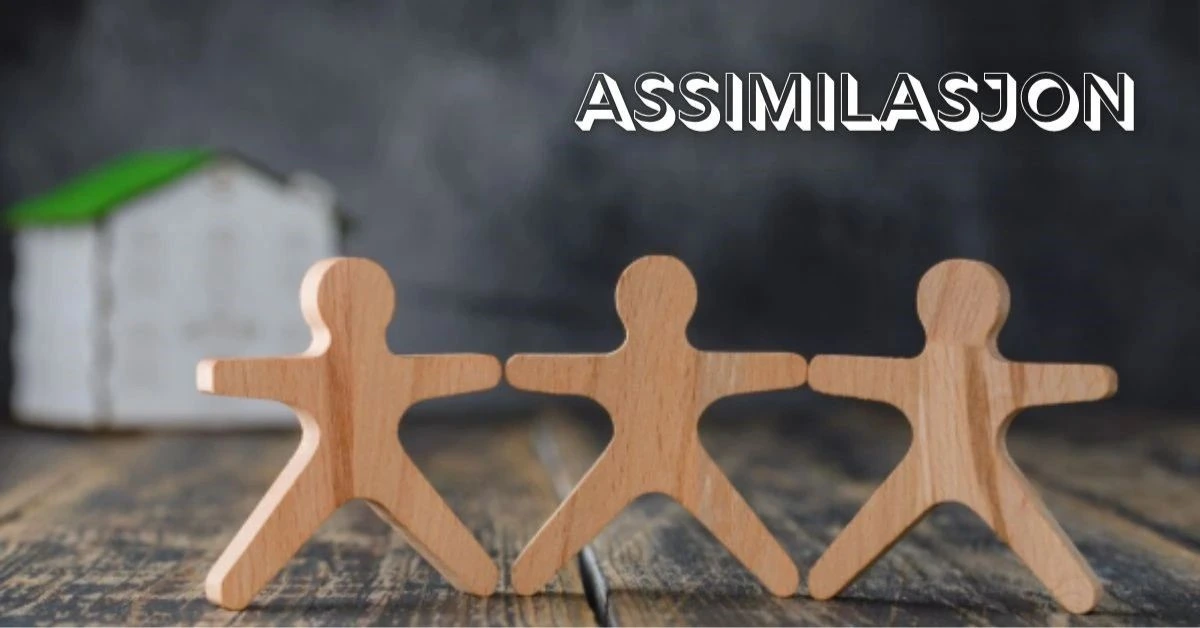
Assimilasjon is one of those concepts people hear often but rarely stop to fully understand. It quietly shapes how individuals adapt, how cultures interact, and how societies evolve over time. Whether it happens by choice or pressure, assimilasjon affects language, behavior, and even identity in subtle ways. If you have ever moved to a new place or adapted to a different social environment, you have already experienced it in some form. Understanding it helps make sense of everyday human interactions.
Understanding the Core Idea of Assimilasjon
At its simplest, assimilasjon refers to the process of adapting to a dominant culture. This often involves adopting language, customs, and social norms of the majority group. It is not always a conscious decision, and it can happen gradually over time. People may not even realize they are changing until they reflect on how their habits have shifted.
In real life, this process looks different for everyone. A student studying abroad might start using local slang or change their communication style. An immigrant family might adopt new traditions while slowly letting go of older ones. These changes are rarely immediate and usually happen through daily interaction with the surrounding environment.
The idea matters because it highlights how flexible human behavior can be. People naturally adjust to fit in and feel accepted. This adaptability is useful, but it also raises questions about identity and belonging. When does adaptation become loss, and when does it simply mean growth?
Will You Check This Article: Sulaskk Uncovered: A Deep Dive Into Its Meaning and Impact
The Historical Roots Behind Cultural Adaptation
The concept of cultural adaptation has existed for centuries. Historically, it was often tied to migration, colonization, and expansion of empires. When groups of people moved or were forced into new regions, they had to adjust to survive. This adjustment was not always voluntary and often came with social pressure.
In many historical cases, dominant cultures imposed their values on smaller groups. Language was one of the first things to change. Education systems and laws also played a role in shaping how people behaved and interacted. Over time, these influences reshaped entire communities and erased some cultural practices.
Understanding this history helps explain why the topic can feel sensitive today. For some, it represents opportunity and growth. For others, it carries memories of forced change and loss. Looking at the past allows us to better understand current discussions around identity and cultural preservation.
How Assimilasjon Affects Personal Identity
Personal identity is closely tied to culture, so any shift in cultural behavior can influence how someone sees themselves. Assimilasjon often creates a balancing act between staying true to one’s roots and fitting into a new environment. This can feel empowering for some and confusing for others.
Imagine someone who speaks one language at home and another in public. Over time, their thinking patterns might change depending on the context. They may behave differently with family compared to friends or colleagues. This dual identity is common and reflects the complexity of adapting without completely losing oneself.
The emotional side of this process is often overlooked. People may feel pressure to change in order to be accepted. At the same time, they might worry about losing connection to their original culture. These mixed feelings make assimilation more than just a social process. It becomes deeply personal.
Social Benefits and Challenges of Integration
From a social perspective, assimilation can help build smoother communication and stronger connections within a community. When people share common behaviors and language, it becomes easier to collaborate, work, and build relationships. This is one reason why many societies encourage some level of adaptation.
However, the challenges cannot be ignored. Too much pressure to conform can lead to loss of diversity. Unique traditions, languages, and viewpoints may fade over time. This can make societies less rich in cultural expression, even if they become more unified on the surface.
Finding a balance is key. Healthy integration allows individuals to adapt while still preserving important parts of their identity. This approach creates a society that values both unity and diversity. It also helps people feel accepted without needing to give up who they are.
Assimilasjon in Modern Multicultural Societies
Today’s world is more connected than ever, and multicultural societies are becoming the norm. Assimilasjon now happens in more subtle and complex ways. It is not just about moving to a new country. It can happen within workplaces, schools, and even online communities.
In modern cities, people are constantly exposed to different cultures. This exposure naturally leads to blending of habits and ideas. For example, food, fashion, and language often reflect a mix of influences. These changes show how adaptation can happen without completely replacing one culture with another.
Technology also plays a role. Social media allows people to adopt trends from across the world quickly. This creates a shared global culture while still leaving room for local identity. The result is a more dynamic form of assimilation that is less rigid than in the past.
Language and Communication Shifts
Language is one of the most visible signs of assimilasjon. When people adapt to a new environment, they often learn the dominant language first. Over time, this can influence how they express themselves, think, and interact with others. Even accents and tone can change gradually.
Communication styles also shift. Some cultures value directness, while others rely on subtle cues. Adapting to these differences can improve relationships and reduce misunderstandings. It allows people to connect more effectively with those around them.
These changes matter because language is deeply tied to identity. Losing fluency in a native language can feel like losing a part of oneself. On the other hand, gaining new communication skills can open doors and create opportunities. The balance between the two is where the real challenge lies.
The Difference Between Assimilation and Integration
Although often used interchangeably, assimilation and integration are not the same. Assimilasjon usually implies a stronger shift toward the dominant culture, sometimes at the expense of original traditions. Integration, on the other hand, allows individuals to adapt while maintaining their cultural identity.
This distinction is important when discussing social policies and community values. A society that focuses only on assimilation may unintentionally discourage diversity. In contrast, one that promotes integration creates space for multiple identities to coexist.
Real-world examples show that integration often leads to more inclusive communities. People feel valued for who they are rather than pressured to change completely. This approach encourages mutual respect and understanding, which are essential in diverse societies.
Conclusion: Why Assimilasjon Still Matters Today
Assimilasjon continues to shape how people interact, adapt, and grow in an ever-changing world. It is not a simple or one-sided process. It involves choices, emotions, and social dynamics that affect both individuals and communities. Understanding it helps us see the bigger picture of cultural interaction.
In daily life, small changes in behavior, language, and habits reflect this process. These shifts may seem minor, but they play a significant role in shaping identity and belonging. Recognizing them allows people to make more conscious decisions about how they adapt.
Ultimately, the goal is not to resist change or embrace it blindly. It is about finding a balance that respects both personal identity and social connection. When approached thoughtfully, assimilasjon can become a pathway to growth rather than a source of conflict.
Read More: Lumerink.com

In an internet landscape overflowing with platforms, tools, and trends, the emergence of sporple signals a subtle yet powerful shift in how people engage with digital content. Whether you’re a curious browser, a content creator, or someone exploring new ways to interact online, sporple introduces a fresh perspective that blends discovery, personalization, and creativity. It isn’t just another buzzword—it reflects evolving user behavior in a world that craves both efficiency and meaningful engagement. As digital ecosystems grow more complex, understanding sporple can give you a unique edge in navigating, creating, and thriving in this interconnected space.
Understanding the Core Concept Behind Sporple Trends
Sporple represents a modern approach to digital interaction where discovery meets personalization in a seamless flow. Unlike traditional platforms that rely heavily on structured navigation, this concept thrives on intuitive exploration. Users don’t just search—they stumble upon relevant content through a mix of algorithmic intelligence and organic curiosity. This shift reflects how people naturally engage with information today, preferring fluid experiences over rigid systems.
At its core, the idea is rooted in adaptability. It evolves based on user behavior, learning from interactions to refine recommendations and pathways. This makes it highly dynamic, ensuring that no two experiences are exactly the same. As users engage more deeply, the system becomes more aligned with their preferences, creating a sense of familiarity without sacrificing novelty. This balance is what makes the concept particularly compelling in a saturated digital world.
Will You Check This Article: Shani Levni: Deep Insight Into Saturn’s Powerful Influence
How Sporple Is Changing Online User Behavior Patterns
The way people consume content has changed dramatically over the past decade, and sporple plays a significant role in this transformation. Instead of actively searching for specific information, users are now more inclined toward passive discovery. This doesn’t mean they are disengaged—it means they trust intelligent systems to surface relevant content without needing explicit input.
This behavior shift also impacts attention spans and engagement styles. People now prefer bite-sized, visually engaging, and contextually relevant information that feels tailored to their interests. As a result, platforms adopting this approach often see higher retention rates and deeper interaction levels. The emphasis moves from quantity to quality, encouraging creators to produce content that resonates rather than simply ranks.
The Technology Powering Sporple Experiences Today
Behind the scenes, advanced technologies drive the seamless functionality associated with sporple. Artificial intelligence and machine learning algorithms analyze vast amounts of data to understand user preferences, behaviors, and patterns. These systems continuously refine their outputs, ensuring that recommendations become more accurate over time.
Additionally, data analytics plays a crucial role in shaping these experiences. By examining how users interact with content, platforms can identify trends and adjust their strategies accordingly. This creates a feedback loop where user behavior informs system improvements, which in turn enhance user satisfaction. The integration of real-time processing further ensures that content remains relevant and timely, keeping users engaged in an ever-changing digital environment.
Why Sporple Appeals to Modern Digital Consumers
Modern consumers value convenience, relevance, and personalization more than ever before. Sporple aligns perfectly with these expectations by offering a streamlined experience that minimizes effort while maximizing value. Users no longer need to sift through endless options; instead, they are presented with content that feels curated just for them.
Another key factor is the emotional connection it fosters. When users encounter content that resonates with their interests and preferences, they are more likely to feel understood and engaged. This emotional resonance builds trust and loyalty, encouraging repeated interactions. In a competitive digital landscape, this level of connection can make all the difference in retaining an audience.
Content Creation Strategies Inspired by Sporple Models
For creators, understanding sporple opens up new opportunities to connect with audiences in meaningful ways. Traditional content strategies often focus on keywords and search engine rankings, but this approach emphasizes relevance and engagement. Creators must think beyond optimization and consider how their content fits into a broader discovery ecosystem.
Storytelling becomes a powerful tool in this context. By crafting narratives that capture attention and evoke emotion, creators can increase the likelihood of their content being surfaced and shared. Additionally, incorporating diverse formats such as videos, infographics, and interactive elements can enhance engagement. The goal is to create content that not only informs but also inspires exploration and interaction.
Challenges and Limitations of Sporple-Based Systems
Despite its advantages, sporple is not without challenges. One of the primary concerns is the potential for over-personalization. When systems become too tailored, they can create echo chambers where users are exposed only to content that aligns with their existing preferences. This can limit exposure to new ideas and perspectives, reducing the overall richness of the experience.
Another challenge lies in data privacy. The effectiveness of these systems relies heavily on collecting and analyzing user data, which raises concerns about how this information is stored and used. Ensuring transparency and implementing robust security measures are essential to maintaining user trust. Without these safeguards, the benefits of personalization may be overshadowed by privacy concerns.
Future Possibilities and Growth of Sporple Innovations
The future of sporple looks promising as technology continues to evolve. With advancements in artificial intelligence, augmented reality, and immersive experiences, the potential for even more dynamic and engaging interactions is immense. These innovations could transform how users explore content, making the experience more interactive and intuitive.
Moreover, the integration of cross-platform capabilities could further enhance its impact. Imagine a seamless experience where your preferences carry across different devices and platforms, creating a unified digital journey. This level of integration would redefine convenience and accessibility, setting new standards for user experience in the digital age.
Conclusion
Sporple is more than just a trend—it represents a fundamental shift in how we interact with digital content. By prioritizing discovery, personalization, and engagement, it addresses the evolving needs of modern users while opening new possibilities for creators and platforms alike. Its influence extends beyond technology, shaping the way we consume, create, and connect in an increasingly digital world.
As this concept continues to grow and evolve, its impact on digital culture will only become more pronounced. Understanding and embracing sporple can help individuals and businesses stay ahead of the curve, adapting to changes and leveraging opportunities in a rapidly transforming landscape. In a world where attention is scarce and competition is fierce, this approach offers a pathway to deeper, more meaningful engagement.
Read More: Parkmagazineny.co.uk

Yalla Choy: Meaning, Origins, and Everyday Use

Pyjamaspapper: Comfort Meets Everyday Sleep Style

photoackmp Guide: Meaning, Uses, and Practical Value

Mark Redknapp: The Real Story Behind Harry Redknapp’s Low-Key Son

Ben Shephard Wife Illness: What Is Really Known About Annie’s Health And Their Life Together

The Untold Story of Drew Pritchard Wife: From Antique Stardom to Personal Evolution
-

 Tech1 week ago
Krowd Login Guide: How to Access Your Darden Employee Portal
-

 Tech4 days ago
Bastinews.xyz: The Future of Independent Digital News
-

 Social Media4 days ago
Eslato Explained: The Future of Smart Digital Evolution
-

 Tech4 days ago
Unlocking Digital Potential with fkstrcghtc Strategy
-

 Blog4 days ago
Demonscans: Exploring the Rise of Digital Manga Culture
-

 Health & Fitness4 days ago
Truvirility Uncovered: The Real Path to Lasting Vitality
-

 Business2 days ago
Afruimwagens Uncovered: A Modern Mobility Evolution Guide
-

 Tech1 week ago
Fanquer: What It Means, Why It’s Trending, and How It Works