Travel
Garrick Street: London’s Historic Lane of Culture and Charm


In the heart of London’s West End, Garrick Street offers a fascinating blend of history, architecture, theatre, and modern city life. Stretching through the lively district of Covent Garden, this elegant street is more than just a thoroughfare—it is a destination where the spirit of old London meets contemporary culture. Whether you are a visitor exploring the capital or a history enthusiast eager to uncover hidden stories, Garrick Street reveals a unique side of the city that deserves attention. From its theatrical heritage to its stylish restaurants and iconic buildings, this remarkable location captures the essence of London in every step.
The History and Origins of Garrick Street
Garrick Street was laid out in the 19th century as part of major urban developments in London’s theatre district. The street was named after the legendary actor and theatre manager David Garrick, one of the most influential figures in British dramatic history. Garrick transformed English theatre during the 1700s, elevating standards of acting and production while popularizing the works of William Shakespeare. Naming Garrick Street after him was a fitting tribute to his immense cultural impact. The area itself was redeveloped to improve traffic flow and connect Covent Garden with nearby Strand and Charing Cross, quickly becoming a prominent address in the West End. Over time, Garrick Street evolved from a practical urban project into a distinguished location associated with creativity, literature, and entertainment.
Will You Check This Article: drivingschool.com: Your Complete Guide to Smarter Driving
Garrick Street and Its Connection to London Theatre
One of the defining features of Garrick Street is its close relationship with London’s theatrical tradition. Situated near famous venues such as Royal Opera House and Theatre Royal Drury Lane, the street sits at the center of the city’s performance culture. Theatre lovers strolling through Covent Garden often pass along Garrick Street on their way to shows, making it an essential part of the West End experience. The nearby Garrick Club, founded in 1831, further reinforces the street’s artistic identity. This exclusive private club was created for actors, writers, and artists and remains one of London’s most storied institutions. Garrick Street, therefore, is not merely named after a theatrical icon—it continues to live and breathe the world of drama and performance every day.
Architectural Character and Historic Buildings on Garrick Street
Walking down Garrick Street is like taking a journey through London’s architectural history. The buildings lining the street display classic Victorian and Edwardian design, with handsome brick facades, decorative stonework, and elegant sash windows. Many structures have been carefully preserved, allowing the street to maintain its historical charm while adapting to modern use. Ground floors are occupied by boutiques, cafés, and restaurants, while upper levels often house offices and apartments. The blend of old and new gives Garrick Street a timeless quality that appeals to photographers, architecture enthusiasts, and anyone who appreciates urban beauty. Unlike many modern commercial streets, this avenue retains a sense of character and continuity that reflects London’s enduring respect for its heritage.
Dining, Shopping, and Everyday Life on Garrick Street
Today, Garrick Street is one of Covent Garden’s most attractive spots for dining and leisure. The street is home to a variety of restaurants offering cuisines from around the world, alongside stylish bars and intimate cafés. Visitors can enjoy everything from gourmet meals to quick coffee breaks while taking in the atmosphere of the surrounding neighborhood. Independent shops and specialty stores add to the area’s appeal, offering fashion, books, gifts, and artisanal products. During the day, Garrick Street buzzes with office workers, tourists, and performers; in the evening, it transforms into a lively social destination. This vibrant mix of commerce and culture ensures that Garrick Street remains relevant and exciting for both locals and travelers.
Why Garrick Street Is a Covent Garden Highlight
Among the many streets in Covent Garden, Garrick Street stands out for its balance of elegance, convenience, and cultural significance. It connects major landmarks while offering a quieter and more refined atmosphere than some of the area’s busier tourist routes. The street’s central location makes it an ideal starting point for exploring nearby attractions such as Leicester Square, Trafalgar Square, and The National Gallery. Yet despite being surrounded by some of London’s most visited destinations, Garrick Street retains a sense of intimacy and sophistication. It offers the perfect combination of accessibility and authenticity, making it a favorite among those who wish to experience the city beyond the obvious landmarks.
Cultural Landmarks and Hidden Gems Near Garrick Street
The surroundings of Garrick Street are packed with attractions that enrich any visit. Covent Garden Market, with its street performers and boutique shops, lies just moments away. Art lovers can explore the nearby London Transport Museum, while history enthusiasts can wander through the charming alleys and courtyards that define this part of the city. The area also hosts seasonal events, public performances, and festive decorations that create a dynamic and ever-changing atmosphere. Garrick Street benefits from being close to these cultural highlights while maintaining its own distinct personality. Those who take time to explore often discover quiet corners, elegant façades, and memorable dining spots that become lasting highlights of their London experience.
Visiting Garrick Street: Tips for Travelers
For anyone planning to visit London, Garrick Street is easy to reach and rewarding to explore. The nearest Underground stations include London Underground stops at Covent Garden, Leicester Square, and Charing Cross, all within a short walking distance. The best time to visit is in the late afternoon or evening, when the street comes alive with theatre-goers and illuminated storefronts. Comfortable walking shoes are recommended, as the surrounding neighborhood invites leisurely exploration. Visitors should also consider booking a meal at one of the area’s popular restaurants or pairing their visit with a West End performance. Garrick Street is especially enjoyable for those who appreciate history, architecture, and the energy of London’s cultural scene.
Conclusion
Garrick Street is far more than a simple London address. It is a place where history, theatre, architecture, and everyday city life come together in a uniquely captivating way. Named after one of Britain’s greatest actors, the street honors a legacy of artistic excellence while serving as a vibrant part of modern Covent Garden. From its elegant buildings and rich theatrical connections to its excellent dining and central location, Garrick Street offers an experience that reflects the very best of London. Whether you are visiting for the first time or rediscovering the city, this remarkable street deserves a place on your itinerary.
Read More: Dollartimes.co.uk
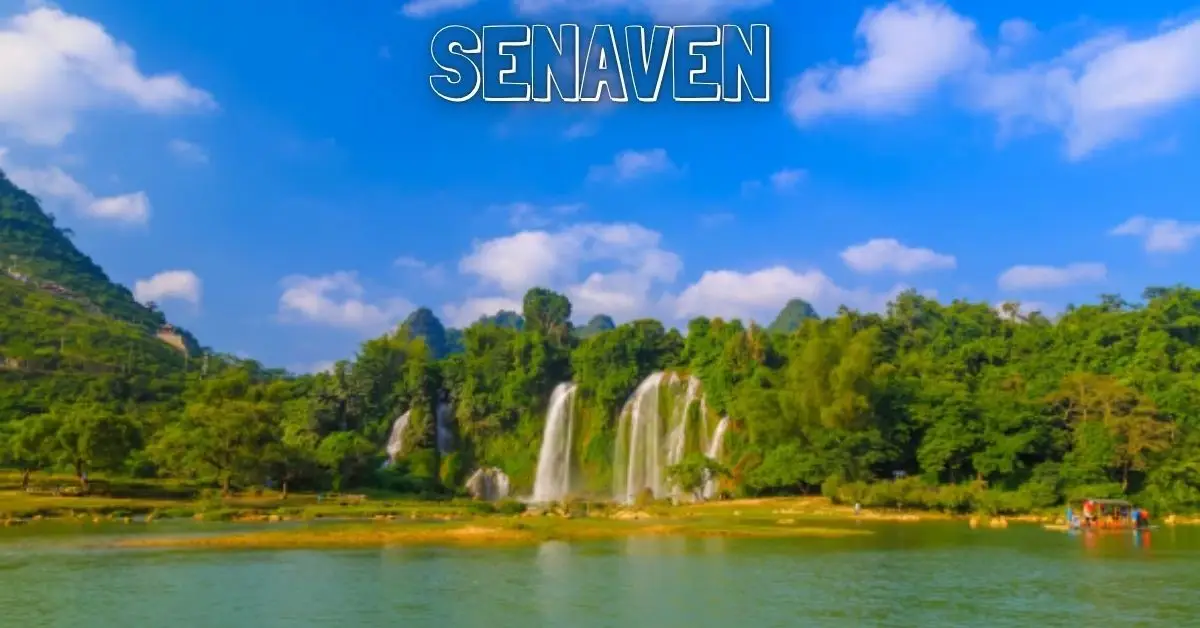
In today’s rapidly changing digital environment, businesses and individuals constantly search for innovative systems that simplify operations, improve communication, and create long-term growth opportunities. The rise of senaven reflects this modern demand for smarter digital transformation strategies that combine technology, creativity, and efficiency in one ecosystem. As industries continue shifting toward automation, cloud-based collaboration, and data-driven decision-making, organizations are adopting advanced platforms that improve productivity while maintaining flexibility. The growing relevance of digital ecosystems has also changed how companies interact with customers, manage internal workflows, and build sustainable online identities. Understanding how modern innovation frameworks operate is essential for anyone hoping to stay competitive in the evolving technology landscape.
Understanding the Core Concept Behind Senaven
The emergence of senaven highlights a broader shift toward integrated digital experiences that prioritize adaptability, innovation, and operational efficiency. Modern businesses no longer depend solely on traditional structures because digital ecosystems now influence customer engagement, marketing performance, project management, and workflow automation. Companies are increasingly adopting scalable solutions that allow them to adjust quickly to market changes while improving collaboration across departments. This transformation has encouraged organizations to invest in smarter systems capable of handling multiple operational requirements simultaneously without increasing complexity or overhead costs.
Digital innovation frameworks are now built around flexibility, speed, and intelligent analytics, making them essential in competitive industries. Organizations require platforms that support communication, cloud integration, remote access, and real-time performance monitoring. Advanced technological ecosystems simplify these processes by centralizing operations and reducing manual inefficiencies. Businesses that successfully embrace digital transformation often experience stronger customer loyalty, improved productivity, and better decision-making capabilities. The evolution of connected technologies continues shaping industries ranging from e-commerce and education to healthcare and finance, proving the long-term value of integrated digital solutions.
Will You Check This Article: Pagliaesque Perspectives Shaping Modern Cultural Thought
The Role of Digital Innovation in Modern Business Growth
Technology has become the backbone of nearly every successful organization, influencing how businesses market products, manage operations, and engage audiences worldwide. Digital innovation creates opportunities for faster communication, streamlined processes, and more accurate performance tracking, enabling companies to operate with greater precision and efficiency. Businesses that embrace modern tools can automate repetitive tasks, improve customer experiences, and reduce operational expenses while maintaining high standards of quality. This transformation has allowed startups and established enterprises alike to compete more effectively in crowded markets.
The expansion of artificial intelligence, machine learning, and cloud computing has accelerated the need for adaptable digital systems capable of handling evolving demands. Organizations increasingly rely on smart analytics to predict trends, understand consumer behavior, and develop personalized marketing strategies. Efficient digital ecosystems also encourage collaboration between teams regardless of geographic location, supporting remote work and global partnerships. Companies that invest in innovation-focused strategies are better equipped to navigate changing market conditions while creating scalable solutions that support sustainable long-term growth and competitiveness.
How Senaven Supports Smarter Online Ecosystems
The growing popularity of senaven demonstrates the importance of intelligent systems designed to improve digital efficiency while maintaining user-friendly experiences. Modern organizations require interconnected platforms capable of handling communication, workflow management, data analysis, and customer engagement from a centralized environment. These systems reduce fragmentation between departments and improve overall operational consistency. Businesses benefit from streamlined processes that minimize delays, increase productivity, and support more informed decision-making through accurate data interpretation and performance tracking.
An effective online ecosystem also enhances customer interaction by providing seamless experiences across websites, mobile applications, and digital communication channels. Consumers expect fast responses, personalized recommendations, and smooth navigation when interacting with modern brands. Smart digital infrastructures help organizations meet these expectations through automation, cloud accessibility, and integrated management tools. As competition continues increasing across industries, businesses that prioritize connected digital ecosystems often achieve stronger brand recognition, improved customer retention, and more sustainable operational growth over time.
Building Stronger Brand Identity Through Technology
Brand identity has evolved far beyond logos and advertising campaigns because digital experiences now shape how audiences perceive companies online. Businesses must create consistent, engaging, and trustworthy digital presences that reflect their values while addressing customer expectations effectively. Technology-driven branding strategies allow organizations to personalize communication, improve social engagement, and strengthen audience relationships through interactive content and targeted messaging. A strong online identity increases credibility and helps businesses establish long-term loyalty within competitive markets.
Modern consumers often evaluate brands based on website performance, responsiveness, online reviews, and digital accessibility. Organizations that invest in high-quality digital experiences create stronger emotional connections with their audiences while improving customer satisfaction. Advanced analytics also allow businesses to monitor audience behavior and refine branding strategies according to real-time insights. This data-driven approach enables companies to develop more effective campaigns, improve customer engagement, and maintain relevance within rapidly changing digital environments where user expectations continue evolving constantly.
The Influence of Data Analytics on Strategic Decisions
Data analytics has become one of the most influential components of digital transformation because it provides organizations with actionable insights that support smarter business decisions. Companies can analyze consumer behavior, market trends, operational performance, and engagement metrics to identify opportunities for growth and improvement. Real-time analytics allow businesses to respond quickly to changing conditions while minimizing risks associated with uncertainty. Organizations that effectively use analytical tools often achieve greater efficiency, stronger marketing outcomes, and more accurate forecasting capabilities.
The ability to interpret complex data sets also improves strategic planning by helping companies understand customer preferences and operational weaknesses. Businesses can refine products, optimize marketing campaigns, and allocate resources more effectively through intelligent performance monitoring systems. Predictive analytics further enhances decision-making by identifying patterns that indicate future trends or consumer demands. As digital ecosystems continue expanding, the role of analytics will become even more significant in helping organizations remain competitive, adaptable, and capable of maintaining sustainable long-term success in technology-driven markets.
Why User Experience Defines Modern Digital Success
User experience has become one of the most important factors influencing online engagement, customer retention, and overall business performance. Consumers expect websites and applications to be fast, intuitive, visually appealing, and accessible across multiple devices. Organizations that prioritize usability often experience higher conversion rates, stronger customer loyalty, and improved brand perception. Poor design or slow digital performance can quickly discourage users, leading to lost opportunities and reduced customer trust within competitive industries.
Successful digital platforms focus on simplifying navigation, improving accessibility, and delivering personalized experiences tailored to audience preferences. Responsive design, mobile optimization, and interactive interfaces help businesses maintain consistent engagement across different digital channels. Companies also use behavioral analytics to understand how users interact with websites and applications, allowing them to refine interfaces and improve functionality continuously. A user-centered approach not only increases satisfaction but also strengthens long-term customer relationships by creating seamless and memorable digital experiences that encourage repeat engagement.
Emerging Technologies Reshaping the Digital Landscape
The rapid advancement of emerging technologies continues transforming industries by introducing new methods of communication, automation, and operational management. Artificial intelligence, blockchain, cloud computing, and the Internet of Things are changing how organizations store information, interact with customers, and optimize business processes. These technologies create opportunities for greater efficiency while reducing costs associated with manual operations and outdated infrastructures. Businesses that adapt quickly to technological advancements are often better positioned for long-term competitiveness and innovation.
Automation tools are increasingly used to handle repetitive tasks, improve workflow accuracy, and enhance productivity across various sectors. Cloud-based systems support remote collaboration and provide scalable infrastructure that grows alongside organizational needs. Artificial intelligence contributes to personalized marketing, predictive analytics, and customer support through intelligent automation. Meanwhile, cybersecurity technologies continue evolving to protect sensitive data and maintain trust within digital environments. As innovation accelerates, organizations must remain adaptable and informed to leverage emerging technologies effectively while addressing potential challenges related to privacy, security, and operational integration.
Conclusion
The continuing evolution of senaven reflects the growing importance of intelligent digital ecosystems that combine innovation, efficiency, and adaptability in today’s technology-driven world. Businesses and individuals increasingly rely on advanced digital strategies to improve communication, streamline operations, strengthen branding, and enhance customer experiences. From data analytics and automation to user-centered design and emerging technologies, every aspect of modern transformation contributes to creating smarter and more sustainable operational models. Organizations that embrace innovation-focused approaches are better prepared to navigate changing market conditions and maintain long-term competitiveness.
As industries continue shifting toward connected digital infrastructures, the demand for scalable and efficient solutions will only increase. Companies that invest in modern technologies, strategic analytics, and customer-focused experiences can unlock greater productivity and stronger market positioning. The future of digital transformation depends on adaptability, continuous learning, and the ability to integrate advanced tools effectively into everyday operations. By understanding these evolving trends and embracing forward-thinking strategies, businesses can build resilient foundations capable of supporting growth, innovation, and long-term success in an increasingly interconnected digital landscape.
Read More: Cryptoboostly.co.uk

The vast waterways of North America have always shaped civilizations, economies, and ecosystems, but few are as influential as the mighty river system often referred to as the reka Mississippi. Stretching across the heart of the United States, this legendary waterway is more than just a river—it is a living artery of culture, trade, and biodiversity. From ancient Native American settlements to modern industrial cities, its presence has continuously guided human development.
In this article, we explore how this immense river system has evolved over time, its ecological importance, and its deep cultural roots. We also examine how it continues to shape regional economies, sustain wildlife, and influence environmental discussions today. By understanding its journey, we gain insight into one of the most powerful natural forces in North America.
Geographic Foundation and River System Structure
The Mississippi River basin forms one of the largest drainage systems in the world, covering millions of square kilometers across the United States. It collects water from hundreds of tributaries, including the Missouri and Ohio Rivers, creating a massive interconnected network. This geographical structure plays a crucial role in shaping weather patterns, soil fertility, and agricultural productivity across the region. The river ultimately flows into the Gulf of Mexico, forming a vast delta that is both ecologically rich and economically significant.
Its path cuts through ten U.S. states, serving as a natural boundary and transportation corridor. Cities like Minneapolis, St. Louis, Memphis, and New Orleans have developed along its banks, relying on it for trade, water supply, and transportation. The river’s slow yet powerful flow has carved valleys, shaped floodplains, and created fertile lands that support some of the most productive agricultural zones in the world.
Beyond its physical structure, the river system represents a dynamic environmental engine. Seasonal flooding deposits nutrient-rich sediments across its basin, supporting agriculture and wetland ecosystems. This continuous cycle of erosion and deposition has shaped the geography of central North America for thousands of years, making it one of the most influential natural systems on the continent.
Will You Check This Article: Raussan: Deep Insights into Origins, Growth and Future Impact
Historical Development and Early Civilizations
Long before European explorers arrived, Indigenous communities thrived along the riverbanks. These early civilizations depended on the river for fishing, transportation, and agriculture. The Mississippi River acted as a natural highway, connecting different tribes and enabling trade networks that spanned vast distances. Archaeological evidence shows that mound-building cultures such as the Cahokia civilization flourished near its floodplains.
With the arrival of European explorers in the 16th and 17th centuries, the river became a strategic route for expansion and colonization. French explorers, in particular, recognized its importance and established settlements along its course. Control over the river eventually became a major geopolitical issue among colonial powers, shaping the early political landscape of North America.
During the 19th century, the river played a central role in the expansion of the United States. Steamboats revolutionized transportation, making it easier to move goods and people across long distances. This era transformed the river into a commercial lifeline, fueling economic growth and westward expansion.
Ecosystem Diversity and Natural Balance
The Mississippi River basin supports one of the most diverse ecosystems in North America. Its wetlands, forests, and aquatic habitats provide shelter to thousands of plant and animal species. Fish such as catfish, bass, and paddlefish thrive in its waters, while migratory birds depend on its wetlands for nesting and feeding.
The river’s floodplains act as natural buffers, absorbing excess water during heavy rains and preventing severe flooding in surrounding regions. These wetlands also filter pollutants, improving water quality and maintaining ecological balance. The biodiversity found in this system is a direct result of the river’s seasonal cycles and nutrient distribution.
However, human activity has altered many of these natural processes. Urban expansion, agriculture, and industrial pollution have impacted water quality and habitat stability. Despite these challenges, conservation efforts continue to restore wetlands and protect endangered species, ensuring that the ecosystem remains resilient for future generations.
Economic Power and Transportation Networks
The Mississippi River is one of the most important commercial waterways in the world. It serves as a major transportation route for agricultural products, industrial goods, and raw materials. Barges carrying corn, soybeans, coal, and petroleum travel along its length, connecting inland regions to global markets via the Gulf of Mexico.
Agriculture in the central United States heavily depends on the river system. Fertile soil deposited by floodwaters makes the surrounding regions some of the most productive farmlands globally. Farmers rely on this natural advantage to produce large-scale crops that feed both domestic and international markets.
Industrial cities along the river also benefit from its accessibility. Factories, refineries, and ports have developed along its banks, creating job opportunities and supporting regional economies. The river continues to act as a backbone of trade infrastructure, linking rural production areas with global distribution networks.
Cultural Influence and Human Connection
The Mississippi River has deeply influenced American culture, literature, and music. Writers such as Mark Twain captured its essence in classic works that highlight life along its banks. The river symbolizes freedom, adventure, and the complexity of human existence.
Musically, the river played a central role in the development of blues and jazz. Cities like New Orleans became cultural melting pots where diverse traditions merged, giving birth to new artistic expressions. The rhythm of the river is often reflected in the rhythm of the music it inspired.
Communities along the river continue to celebrate its presence through festivals, traditions, and storytelling. It remains a symbol of identity and resilience, connecting generations through shared history and cultural heritage.
reka Mississippi and Its Role in American Geography
The reka Mississippi is more than a river—it is a defining feature of North American geography. It divides the United States into eastern and western regions, influencing climate patterns, migration routes, and economic development. Its vast watershed integrates multiple ecosystems into a single, interconnected system.
Geographically, it plays a critical role in shaping landscapes and weather systems. Moisture from the Gulf of Mexico travels through the river basin, influencing rainfall patterns across the Midwest. This interaction between land and water demonstrates the river’s powerful environmental impact.
In addition to its physical role, the reka Mississippi serves as a reference point in mapping and regional planning. Its presence influences infrastructure development, urban expansion, and environmental policies across the country.
Environmental Challenges and Conservation Efforts
Despite its importance, the Mississippi River faces significant environmental challenges. Pollution from agriculture, industry, and urban runoff has affected water quality in many regions. Nutrient overloads contribute to issues such as algal blooms and oxygen depletion in downstream areas.
Climate change has also intensified flooding patterns and altered seasonal flow dynamics. Rising temperatures and unpredictable rainfall have increased the risk of extreme weather events, affecting communities along the river. These changes highlight the vulnerability of large-scale natural systems.
In response, governments and environmental organizations are working to restore wetlands, reduce pollution, and implement sustainable water management practices. Conservation projects aim to balance economic use with ecological preservation, ensuring the long-term health of the river system.
Conclusion
The reka Mississippi stands as one of the most influential natural systems in North America, shaping geography, economy, and culture for centuries. From its ancient ecological roots to its modern industrial significance, it continues to define the regions it touches. Its waters support biodiversity, sustain agriculture, and connect communities across vast distances.
As environmental pressures increase, protecting the reka Mississippi becomes more important than ever. Sustainable management and conservation efforts are essential to preserve its ecological balance and economic value. Ultimately, this mighty river remains a symbol of endurance, transformation, and life itself—flowing steadily through the heart of a continent and the history of a nation.
Read More: Legendbio.co.uk

Traveling across water has always fascinated people, offering both peace and adventure in a single experience. Among the most cherished ways to explore lakes, rivers, and coastal routes is the tradition of veneajelu, which connects humans with nature in a calm yet immersive manner. Whether enjoyed in a small rowboat or a larger sightseeing vessel, it brings a unique perspective that land travel simply cannot offer. The gentle movement of water, fresh air, and scenic surroundings create a memorable escape from daily routines. This article explores the depth, meaning, and modern relevance of veneajelu in detail.
In today’s fast-paced world, people increasingly seek meaningful outdoor experiences that balance relaxation and exploration. This is where veneajelu stands out, offering a blend of cultural tradition, natural beauty, and recreational enjoyment. From historical roots to modern tourism practices, it continues to evolve while preserving its essence. Let’s dive into its journey, significance, and the many ways it enhances human connection with water landscapes.
Veneajelu: Meaning, Essence, and Natural Appeal
Veneajelu is more than just a boat ride; it represents a peaceful journey across water that connects individuals with nature in its purest form. It can take place on lakes, rivers, archipelagos, or coastal waters, depending on regional geography. The simplicity of floating across calm waters allows travelers to disconnect from stress and reconnect with themselves. Many people associate veneajelu with relaxation, scenic exploration, and family bonding moments.
The appeal of veneajelu lies in its accessibility and emotional impact. Unlike extreme water sports, it does not require physical intensity, making it suitable for all age groups. Whether it’s a quiet sunset ride or a guided sightseeing tour, the experience adapts to personal preferences. The rhythmic sound of water against the boat enhances mindfulness and inner calm, making it a favored leisure activity in many regions.
Will You Check This Article: Tracqueur Guide: Tracking Tech & Smart Monitoring
Historical Roots and Cultural Evolution of Veneajelu
The tradition of veneajelu has deep historical roots, especially in regions where waterways were essential for transportation and survival. In earlier centuries, boats were not just recreational tools but vital means of communication, trade, and fishing. Over time, as societies modernized, these practical journeys transformed into leisure experiences. This shift marked the beginning of veneajelu as a recreational and cultural activity.
Today, veneajelu reflects a blend of tradition and modern tourism. In many cultures, it is still celebrated as part of seasonal festivals, family gatherings, and community events. Historical routes have turned into scenic tourist paths, preserving heritage while offering entertainment. This transformation highlights how human interaction with water has evolved from necessity to pleasure, while still maintaining cultural significance.
Types of Veneajelu Experiences Around the World
Veneajelu comes in many forms, depending on geography and purpose. In calm lakes, small rowing boats or electric boats are commonly used for peaceful rides. In coastal areas, larger vessels offer guided tours, often showcasing islands, marine life, and harbors. River cruises provide a different perspective, often passing through cities, forests, and historic landmarks.
Adventure-oriented veneajelu includes kayaking, canoeing, and sailing, where participants engage more actively with water conditions. On the other hand, luxury cruises offer comfort, dining, and entertainment while floating across scenic routes. Each type caters to different preferences, ensuring that everyone can enjoy a version of veneajelu suited to their interests and comfort level.
Psychological and Emotional Benefits of Veneajelu
Spending time on water has a calming effect on the human mind, and veneajelu is especially known for reducing stress and anxiety. The gentle motion of a boat creates a meditative rhythm that helps individuals relax deeply. Being surrounded by open water also provides a sense of freedom and escape from urban noise and pressure.
Emotionally, veneajelu encourages reflection and mindfulness. Many people use these moments to think, connect with loved ones, or simply enjoy silence. The natural environment—water, sky, and horizon—creates a therapeutic setting that enhances mental clarity. This emotional balance is one of the key reasons why veneajelu remains popular across generations.
Veneajelu as a Tourism Attraction and Economic Driver
In many regions, veneajelu plays a significant role in tourism development. Lakeside towns, coastal cities, and island destinations often rely on boat tours as a major attraction. Tourists are drawn to the opportunity to explore hidden beaches, scenic waterways, and cultural landmarks from the water.
This activity also supports local economies by creating jobs for boat operators, guides, and hospitality workers. Small businesses benefit from increased visitor traffic, especially during peak travel seasons. As tourism grows, veneajelu continues to evolve with better safety standards, modern boats, and eco-friendly practices that protect natural environments.
Safety, Skills, and Responsible Veneajelu Practices
Safety is an essential part of any veneajelu experience. Proper equipment, life jackets, and weather awareness are crucial for a safe journey. Boat operators and tourists alike must understand water conditions before setting out. Even in calm waters, unexpected changes can occur, making preparation important.
Responsible veneajelu also includes respecting marine ecosystems. Avoiding littering, minimizing noise pollution, and protecting wildlife habitats help preserve natural beauty. Many organizations now promote eco-friendly boating practices to ensure that future generations can continue enjoying clean and safe waterways.
Modern Innovations Transforming Veneajelu
Technology has significantly transformed veneajelu in recent years. Electric boats are becoming more popular due to their environmental benefits and silent operation. GPS navigation systems and digital maps enhance safety and allow travelers to explore new routes with confidence.
Luxury tourism has also introduced advanced cruise experiences featuring onboard entertainment, dining services, and guided audio tours. Even small recreational boats now come equipped with modern features that improve comfort and usability. These innovations ensure that veneajelu remains relevant in the modern travel industry while preserving its natural essence.
Conclusion
veneajelu remains one of the most enriching ways to experience water landscapes. It combines relaxation, cultural heritage, and natural exploration into a single journey that appeals to people of all ages. Whether enjoyed as a peaceful escape or a guided adventure, veneajelu continues to offer unforgettable memories.
As lifestyles become more fast-paced, the importance of slowing down and reconnecting with nature grows stronger. Veneajelu provides exactly that opportunity—a chance to drift, reflect, and appreciate the world from a different perspective. Its timeless charm ensures that it will remain a beloved activity for generations to come.
Read More: Dollartimes.co.uk
The Mock Audit That Pays for Itself: How Internal RADV Simulations Reduce Real Audit Exposure

Essential Measurement Tools for Electrical Maintenance Teams

Affordable Student Accommodation in Leicester: Where to Live on a Budget

Ben Shephard Wife Illness: What Is Really Known About Annie’s Health And Their Life Together

Mark Redknapp: The Real Story Behind Harry Redknapp’s Low-Key Son