Health & Fitness
Sourthrout Relief Guide: Causes, Symptoms & Healing Tips

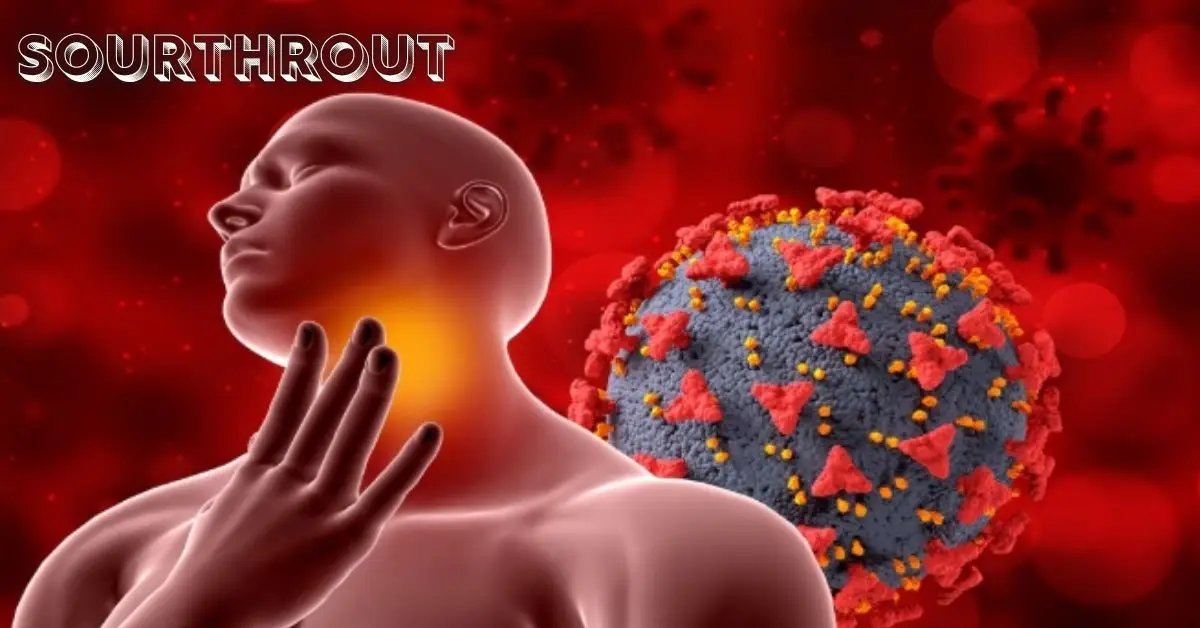
A persistent sourthrout can turn simple daily activities like swallowing, speaking, or even breathing into an uncomfortable challenge. It often begins as a mild irritation but can quickly escalate into sharp pain, dryness, or inflammation that affects your entire routine. Many people ignore early signs, assuming it is just a seasonal issue, but understanding it early can make recovery much faster. This condition is commonly linked with infections, environmental triggers, or lifestyle habits that weaken throat health. In this detailed guide, we will explore everything you need to know about sourthrout, from its causes and symptoms to effective remedies and prevention strategies that help restore comfort and long-term throat wellness.
Understanding Sourthrout and Its Basic Nature
A sourthrout is commonly experienced as irritation, soreness, or inflammation in the throat that makes swallowing difficult and painful. Medically, it is often associated with conditions like pharyngitis or tonsillitis, depending on severity and location of infection. The throat becomes sensitive due to viral or bacterial invasion, environmental dryness, or excessive strain such as shouting or smoking.
In many cases, a sourthrout is not a standalone disease but a symptom of an underlying issue like flu, cold, or allergies. The tissues in the throat become inflamed, leading to redness, swelling, and discomfort. This reaction is the body’s natural defense mechanism against harmful agents. However, when ignored, it can worsen and affect vocal cords, making speech difficult.
Understanding the nature of a sourthrout helps in identifying whether it is mild or requires medical attention. Early awareness is key because timely care reduces complications and speeds up recovery. Hydration, rest, and avoiding irritants are often the first steps in managing it effectively.
Will You Check This Article: Rowdy Oxford Lawsuit: Inside the Legal Battle Unfolding
Common Causes Behind Sourthrout Development
A sourthrout can develop due to several internal and external triggers. One of the most common causes is viral infection, such as the common cold or influenza. These viruses inflame the throat lining, leading to soreness and irritation. Bacterial infections, especially streptococcus bacteria, can also lead to more severe throat pain that may require antibiotics.
Environmental factors play a significant role as well. Dry air, pollution, cigarette smoke, and chemical fumes can irritate throat tissues. People who live in dusty or polluted environments are more prone to recurring throat issues. Seasonal changes, especially winter, also contribute to dryness and increased susceptibility.
Lifestyle habits like excessive shouting, dehydration, or overuse of voice strain the vocal cords and may trigger sourthrout symptoms. Acid reflux is another hidden cause where stomach acids travel upward, irritating the throat lining. Allergies to pollen, dust, or pet dander can further worsen the condition.
Understanding these causes helps in taking preventive action. Avoiding triggers and maintaining throat hygiene can significantly reduce the frequency of sourthrout episodes.
Recognizing Symptoms of Sourthrout Early
The symptoms of sourthrout often begin mildly but can intensify over time if untreated. The most common sign is a persistent pain or scratchy sensation in the throat, especially while swallowing food or liquids. This discomfort may feel like dryness or a burning sensation depending on severity.
Other symptoms include redness at the back of the throat, swollen tonsils, and hoarseness in voice. In bacterial cases, white patches or pus may appear, indicating infection. Fever, headache, and body fatigue may also accompany the condition, especially in viral infections.
Some individuals experience difficulty speaking or a feeling of something stuck in the throat. Coughing, sneezing, and runny nose may also occur if the sourthrout is linked to cold or flu.
Early recognition of these symptoms allows for quicker treatment. Ignoring them may lead to complications such as severe infection or prolonged discomfort affecting daily life.
Medical Approaches for Treating Sourthrout
Treating sourthrout medically depends on its cause and severity. For viral infections, doctors usually recommend rest, hydration, and over-the-counter pain relievers. These help reduce inflammation and ease discomfort while the body naturally fights the infection.
In bacterial cases, antibiotics are prescribed to eliminate the infection. It is important to complete the full course of medication to prevent recurrence or resistance. Anti-inflammatory medicines may also be used to reduce swelling and pain.
Throat lozenges, sprays, and warm saline gargles are commonly recommended to provide temporary relief. In severe cases, especially when swallowing becomes extremely painful, stronger prescription medications may be necessary.
Doctors may also suggest lifestyle adjustments, such as avoiding smoking or acidic foods, to support recovery. Medical treatment is most effective when combined with proper rest and hydration, allowing the throat tissues to heal faster and more efficiently.
Home Remedies for Soothing Sourthrout Naturally
Natural remedies play an important role in relieving sourthrout symptoms. One of the most effective solutions is warm saltwater gargling, which helps reduce inflammation and kill bacteria. Doing this multiple times a day can significantly ease discomfort.
Honey mixed with warm water or herbal tea is another popular remedy due to its soothing and antibacterial properties. Ginger tea also helps reduce throat irritation and boosts immunity. Steam inhalation can relieve dryness and loosen mucus buildup in the throat.
Staying hydrated is essential, as water keeps throat tissues moist and prevents further irritation. Herbal infusions like chamomile or turmeric milk provide additional healing benefits. Avoiding cold beverages and spicy foods is equally important during recovery.
These natural remedies are gentle yet effective, especially in mild cases of sourthrout. They not only relieve symptoms but also support the body’s natural healing process without side effects.
Sourthrout in Children and Sensitive Individuals
Children are particularly vulnerable to sourthrout due to their developing immune systems. Frequent exposure to viruses in schools or playgrounds increases their risk. Symptoms in children often include irritability, refusal to eat, and persistent crying due to throat pain.
Sensitive individuals, such as those with allergies or asthma, may experience recurring episodes. Their throat tissues react more strongly to environmental triggers like dust or smoke. In such cases, even mild exposure can lead to discomfort.
Proper care is essential for these groups. Ensuring hydration, maintaining hygiene, and avoiding allergens can help reduce frequency. Pediatric consultation is recommended if symptoms persist or worsen.
Monitoring early signs in vulnerable individuals ensures timely intervention and prevents complications. A gentle approach with safe remedies and medical guidance is often the best strategy.
Preventive Measures to Avoid Sourthrout Recurrence
Prevention plays a crucial role in avoiding repeated sourthrout episodes. Maintaining good hygiene, such as regular handwashing, helps prevent viral infections. Avoiding close contact with infected individuals also reduces risk.
Strengthening immunity through a balanced diet rich in vitamins and minerals supports throat health. Staying hydrated keeps the throat moist and less prone to irritation. Using humidifiers in dry environments can also help maintain air moisture levels.
Avoiding smoking, alcohol, and excessive caffeine reduces throat strain. Limiting voice overuse, especially shouting or speaking loudly for long periods, protects vocal cords. Wearing masks in polluted areas can also prevent irritation from airborne particles.
Consistent preventive care significantly lowers the chances of developing sourthrout and promotes long-term throat wellness.
Lifestyle Adjustments for Long-Term Throat Health
Long-term management of sourthrout requires sustainable lifestyle changes. A healthy diet that includes fruits, vegetables, and antioxidant-rich foods strengthens immunity and supports throat tissue repair.
Regular exercise improves overall circulation and boosts immune response, making the body more resistant to infections. Proper sleep is equally important, as it allows the body to recover and regenerate effectively.
Avoiding stress is also beneficial because stress weakens immune function, making the throat more vulnerable. Practicing voice care, such as speaking at a moderate volume and avoiding strain, helps maintain vocal health.
By adopting these lifestyle habits, individuals can reduce the frequency and severity of sourthrout episodes and maintain overall respiratory wellness.
Conclusion
A sourthrout may seem like a minor health issue, but it can significantly impact comfort, communication, and daily productivity if not properly managed. Understanding its causes, symptoms, and treatment options is essential for effective relief and prevention. Whether caused by infection, environmental factors, or lifestyle habits, early care makes a major difference in recovery speed.
By combining medical treatment, natural remedies, and preventive strategies, individuals can successfully manage and reduce the impact of sourthrout. Maintaining hydration, boosting immunity, and avoiding irritants are key steps toward long-term throat health. With consistent care and awareness, this condition can be controlled effectively, ensuring a healthier and more comfortable life.
Read More: Legendbio.co.uk
Health & Fitness
The Mock Audit That Pays for Itself: How Internal RADV Simulations Reduce Real Audit Exposure

The Cheapest Audit Defense You Can Build
Internal RADV simulations cost a fraction of actual audit response. A plan selects 100 to 200 enrollee-years from its submitted data, oversampling high-risk diagnosis categories. An internal review team evaluates each sampled HCC against MEAT criteria using the same standard CMS auditors apply. The team calculates an internal error rate, identifies which diagnosis categories fail most often, and documents the specific documentation failures driving those results.
The simulation produces three things no other compliance activity delivers. First, a predictive error rate that forecasts what CMS will find when the real audit arrives. Second, a prioritized remediation list identifying the specific documentation gaps that contribute most to audit failure. Third, a rehearsal of the audit response process that reveals operational bottlenecks before they matter under real deadline pressure.
How to Design a Simulation That Predicts Real Results
The simulation’s predictive value depends on how closely it replicates CMS’s methodology. Sample from your submitted data, not from your coding queue. Include members whose codes were submitted in prior years that haven’t been re-validated. Oversample the high-impact diagnosis categories CMS is known to target: acute stroke, MI, cancer, and other conditions OIG audits have focused on.
Apply the MEAT standard strictly. If the documentation doesn’t show active monitoring, evaluation, assessment, or treatment of the condition during the relevant encounter, the code fails. Don’t give credit for “the provider probably managed this condition.” CMS auditors don’t infer management that isn’t documented. Your simulation shouldn’t either.
Use reviewers who weren’t involved in the original coding decision. If the coder who submitted the code also evaluates it in the simulation, confirmation bias inflates the pass rate. Independent reviewers produce error rates closer to what CMS auditors will find because they evaluate documentation without the context the original coder had.
What the Results Tell You
An internal error rate below 15% suggests your coding program produces predominantly defensible output. Focus remediation on the specific categories and documentation patterns that make up the failing 15%.
An error rate between 15% and 40% signals systematic documentation gaps that need programmatic fixes: enhanced MEAT validation in the coding workflow, category-specific evidence thresholds for high-risk diagnoses, and provider education targeting the documentation patterns that fail most frequently.
An error rate above 40% indicates the program is producing output that won’t survive RADV scrutiny at current quality levels. This requires structural intervention: technology changes, methodology redesign, and immediate proactive deletion of the weakest codes from the plan’s active submissions.
The Investment That Pays Before the Audit Arrives
A quarterly internal simulation costs less than a single week of real RADV response. It predicts audit outcomes before they happen, identifies remediation targets while there’s still time to fix them, and stress-tests the response process under controlled conditions. Plans running regular radv audits simulations convert a reactive, high-stress compliance function into a proactive, predictable one. The simulation doesn’t prevent the audit. It prevents the surprise.

The lotus pose is one of the most recognizable yoga postures in the world. Often associated with meditation, inner peace, and spiritual awakening, this seated position has been practiced for centuries by yogis seeking stability of body and mind. More than just a beautiful posture, it offers a powerful foundation for breathing exercises, mindfulness, and deeper concentration. Whether you are a beginner exploring yoga or an experienced practitioner refining your meditation practice, understanding this pose can transform the way you sit, breathe, and connect with yourself.
The Meaning and History of Lotus Pose
The lotus pose, known in Sanskrit as Padmasana, combines two words: “Padma,” meaning lotus flower, and “Asana,” meaning posture. The lotus flower symbolizes purity, enlightenment, and spiritual growth because it rises clean and beautiful from muddy waters. In the same way, the human mind can rise above distractions and difficulties to achieve clarity and peace.
This iconic meditation posture has deep roots in ancient Indian traditions. It appears in classic yoga texts such as the Hatha Yoga Pradipika and is commonly depicted in images of enlightened beings. Yogis have long regarded Padmasana as one of the most effective seated postures for meditation because it creates a stable base and encourages the spine to remain upright without excessive effort.
Historically, this pose was not merely a physical exercise. It was a sacred seat for spiritual practice. Practitioners used it during pranayama, mantra chanting, and extended meditation sessions. The crossed legs and grounded posture were believed to help direct energy upward through the body, supporting heightened awareness and inner stillness.
Today, the lotus pose continues to be a symbol of mindfulness and balance. It is widely practiced in yoga studios and meditation centers around the world, offering both physical and mental benefits to those who approach it with patience and proper preparation.
Will You Check This Article: Aspertaan Explained: Meaning, Uses, and Growing Relevance
Physical Benefits of Lotus Pose
Although often associated with meditation, the lotus pose provides significant physical advantages. The posture requires flexibility in the hips, knees, and ankles while promoting alignment in the spine. Over time, regular practice can improve posture, mobility, and comfort during seated activities.
One of the primary benefits is hip opening. The external rotation of the thighs stretches muscles around the hips and pelvis, reducing tightness caused by prolonged sitting. Increased hip mobility can improve movement patterns in daily life and lower the risk of discomfort in the lower back.
The pose also supports spinal alignment. When the pelvis is balanced and the knees rest comfortably toward the floor, the spine naturally lengthens. This upright posture strengthens postural muscles and encourages better breathing mechanics by opening the chest and allowing the diaphragm to move freely.
Lotus pose can enhance circulation in the lower body and increase flexibility in the ankles and knees when practiced safely. It also helps develop body awareness, as practitioners learn to observe sensations and maintain symmetry. With consistent practice, this seated posture becomes a stable and comfortable position for meditation and breathwork.
Mental and Emotional Effects of Lotus Pose
The lotus pose is highly valued for its calming effect on the mind. The stable structure of the posture reduces unnecessary movement, allowing attention to shift inward. This stillness supports meditation, mindfulness, and emotional regulation.
When the body is balanced and upright, breathing tends to become slower and more rhythmic. Deep, steady breathing activates the parasympathetic nervous system, which helps reduce stress and promote relaxation. As a result, practitioners often experience a sense of peace, clarity, and mental focus.
This posture can also improve concentration. The symmetrical arrangement of the body encourages steadiness, making it easier to maintain awareness during meditation. Over time, this focused attention may lead to greater emotional resilience and a more grounded response to daily challenges.
Many people find that practicing lotus pose regularly enhances their connection to themselves. The posture invites introspection and encourages a quiet mental state where thoughts settle naturally. This combination of physical stillness and mindful breathing creates an ideal environment for inner exploration and emotional balance.
How to Practice Lotus Pose Safely
Learning lotus pose requires patience and respect for your body’s limits. Because the posture demands significant hip flexibility, forcing the legs into position can strain the knees. Preparation and mindful movement are essential.
Begin by sitting on the floor with your legs extended. Bend your right knee and place the right foot on your left thigh, positioning the sole upward and the heel close to the abdomen. Then bend your left knee and place the left foot on your right thigh. Both knees should move toward the floor while the spine remains tall and relaxed.
Rest your hands on your knees in a meditation mudra or with palms facing upward. Lengthen through the crown of the head, soften the shoulders, and keep the jaw relaxed. Breathe slowly and evenly. Stay in the posture for a few breaths or several minutes if comfortable.
To release, gently remove one foot at a time and stretch the legs. Always practice on both sides, alternating which leg is placed first. If you feel pain in the knees, come out of the pose immediately and choose a modified seated posture instead.
Preparatory Poses for Lotus Pose
Because lotus pose requires open hips and flexible joints, preparatory stretches are important. These poses gradually improve mobility and reduce the likelihood of strain.
Butterfly pose is an excellent starting point. Sitting with the soles of the feet together and knees apart stretches the inner thighs and groin. Gentle forward folds can deepen the stretch while encouraging relaxation.
Pigeon pose is another effective hip opener. It targets the outer hips and gluteal muscles, areas that often limit the external rotation needed for Padmasana. Practicing this pose consistently can make seated postures more comfortable.
Half lotus pose offers a direct progression. In this variation, one foot rests on the opposite thigh while the other leg remains beneath it. This introduces the mechanics of the full posture without requiring the same degree of flexibility. Other helpful stretches include bound angle pose, seated wide-angle pose, and easy cross-legged sitting with mindful breathing.
Common Mistakes and How to Avoid Them
One of the most common mistakes in lotus pose is forcing the legs into position before the hips are ready. This places excessive pressure on the knees, which are hinge joints and not designed for deep rotation. Flexibility should come from the hips rather than the knees.
Another frequent issue is rounding the lower back. When the pelvis tilts backward, the spine collapses and breathing becomes restricted. Sitting on a folded blanket or cushion can elevate the hips and help maintain an upright posture.
Uneven weight distribution can also create discomfort. Both sitting bones should feel grounded, and the shoulders should remain level. If one knee lifts significantly higher than the other, additional hip-opening work may be needed before attempting the full pose.
Holding unnecessary tension in the face, neck, or shoulders reduces the calming effect of the posture. Relax these areas and focus on smooth, natural breathing. Progress gradually, and remember that comfort and stability are more important than achieving the full expression quickly.
Lotus Pose Variations and Modifications
Not everyone can perform the full lotus pose, and that is perfectly normal. Several variations provide similar benefits while accommodating different levels of flexibility.
Half lotus pose is the most common modification. One foot is placed on the opposite thigh while the other leg rests underneath. This variation develops hip mobility and balance while reducing strain.
Easy pose, or Sukhasana, is another accessible option. Sitting cross-legged with support under the hips allows the spine to lengthen and creates a comfortable seat for meditation. Burmese pose, where both feet rest on the floor in front of the pelvis rather than stacked, is also gentle on the knees.
Supported lotus pose involves using cushions or yoga blocks under the knees to reduce pressure and provide stability. These modifications ensure that practitioners can enjoy the meditative and postural benefits of seated practice without discomfort or injury.
Conclusion
The lotus pose is far more than an elegant yoga posture. It is a timeless symbol of balance, mindfulness, and spiritual growth. By opening the hips, strengthening posture, and calming the nervous system, this seated position creates an ideal foundation for meditation and inner awareness.
Mastering Padmasana takes time, flexibility, and careful preparation. Progressing through hip-opening exercises and modified seated poses allows the body to adapt safely. When practiced with patience, the posture becomes increasingly comfortable and rewarding.
Whether you use lotus pose for meditation, breathing exercises, or personal reflection, its benefits extend beyond the mat. It teaches steadiness, focus, and the value of gradual progress. In a fast-paced world, this classic yoga posture offers a simple yet profound way to cultivate stillness and reconnect with yourself.
Read More: Cryptoboostly.co.uk

Healthcare is changing rapidly, and digital platforms are making medical services more accessible than ever before. One such platform gaining attention is ocp health, a modern healthcare solution designed to simplify the way patients, doctors, and organizations interact. Whether you need to schedule appointments, access medical records, or connect with healthcare professionals remotely, ocp health offers a centralized system that saves time and improves care quality. As more people seek convenient and secure healthcare options, understanding how this platform works can help you make better decisions for your health and wellness journey.
Understanding What OCP Health Is
OCP Health is a healthcare technology platform created to streamline medical services for patients and providers. It combines various digital tools into one integrated system, making it easier to manage appointments, patient data, telehealth consultations, and administrative tasks. Instead of relying on disconnected software systems or manual processes, healthcare facilities can use a unified platform to improve efficiency and patient satisfaction.
The concept behind ocp health centers on interoperability and convenience. It allows healthcare professionals to access relevant information quickly, reducing delays and improving decision-making. Patients benefit from having a single portal where they can view their health records, communicate with providers, and stay informed about treatment plans. This approach supports better coordination between doctors, nurses, pharmacists, and administrators, ultimately leading to more effective healthcare delivery.
Will You Check This Article: Nontonanimeid: Your Complete Guide to Anime Streaming
Key Features of OCP Health
One of the most notable aspects of ocp health is its broad range of features designed to address common challenges in healthcare. The platform often includes electronic health records integration, online appointment booking, secure messaging, and telemedicine capabilities. These tools help healthcare providers reduce paperwork while giving patients easier access to services.
Another valuable feature is data analytics. Healthcare organizations can use reporting dashboards to track patient outcomes, monitor operational performance, and identify areas for improvement. Automated reminders for appointments and medication schedules further enhance the user experience. By combining communication tools, scheduling systems, and patient records into one ecosystem, ocp health creates a more connected and responsive healthcare environment.
How OCP Health Improves Patient Experience
Patients today expect healthcare to be as convenient as other digital services they use daily. OCP health meets this expectation by providing a user-friendly portal accessible from computers, tablets, and smartphones. Through this portal, patients can schedule appointments, view test results, request prescription refills, and message their doctors without needing to call the clinic.
This accessibility reduces stress and improves engagement. When patients can easily review their health information and receive timely updates, they become more active participants in their care. Telehealth options also make it possible to consult with doctors from home, which is especially helpful for individuals with mobility issues or those living in remote areas. By removing barriers and simplifying communication, ocp health enhances the overall patient journey.
Benefits of OCP Health for Medical Providers
Healthcare professionals face increasing administrative burdens that can take time away from patient care. OCP health helps reduce this workload by automating repetitive tasks such as appointment scheduling, billing support, and record management. Providers can access patient histories instantly, allowing them to focus more on diagnosis and treatment rather than paperwork.
The platform also improves collaboration among care teams. Doctors, specialists, and support staff can share updates in real time, reducing the risk of errors and duplicate tests. Decision-support tools may offer alerts about allergies, medication interactions, or preventive care recommendations. As a result, medical providers can deliver safer, more efficient, and more coordinated care while improving productivity and reducing burnout.
OCP Health and Telemedicine Integration
Telemedicine has become an essential part of modern healthcare, and ocp health supports this shift through built-in virtual consultation tools. Patients can book online visits, join video appointments, and receive follow-up instructions through the same platform they use for other healthcare needs. This seamless integration makes remote care more accessible and easier to manage.
For healthcare providers, telemedicine functionality reduces no-show rates and expands access to patients who may not be able to visit in person. It also supports continuity of care by storing notes, prescriptions, and communication records in one centralized system. With telehealth becoming a standard service in many clinics, ocp health helps organizations adapt to changing patient expectations while maintaining high-quality care.
Data Security and Compliance in OCP Health
Protecting sensitive medical information is a top priority for any healthcare platform. OCP health is designed with robust security measures such as data encryption, secure login protocols, and role-based access controls. These safeguards ensure that only authorized individuals can access patient records and confidential information.
Compliance with healthcare regulations is equally important. Platforms like ocp health are typically built to align with standards such as HIPAA and other privacy laws, depending on the region. Audit trails track who accessed or modified records, providing accountability and transparency. By prioritizing security and compliance, ocp health builds trust among patients and providers while reducing the risk of data breaches.
Why Healthcare Organizations Choose OCP Health
Healthcare organizations adopt digital platforms to improve efficiency, reduce costs, and deliver better outcomes. OCP health offers a scalable solution that can support small clinics, large hospitals, and multi-location healthcare networks. Its integrated design minimizes the need for multiple software systems, reducing complexity and maintenance expenses.
Organizations also appreciate the platform’s ability to enhance patient engagement and optimize workflows. Faster scheduling, improved communication, and real-time access to information help staff work more effectively. Analytical tools provide insights into patient trends and operational performance, enabling data-driven decisions. By modernizing healthcare delivery, ocp health helps organizations stay competitive in an increasingly digital industry.
Conclusion
OCP health represents a significant advancement in digital healthcare by bringing together patient management, telemedicine, communication, and data security into one comprehensive platform. It simplifies the experience for patients while helping providers and organizations operate more efficiently. As healthcare continues to evolve, solutions like ocp health are becoming essential for delivering accessible, coordinated, and high-quality medical services.
Whether you are a patient looking for convenient access to your medical information or a healthcare provider seeking better workflow management, ocp health offers practical benefits that can transform the way care is delivered. Its focus on integration, usability, and security makes it a valuable tool in the future of modern healthcare.
Read More: Dollartimes.co.uk
The Mock Audit That Pays for Itself: How Internal RADV Simulations Reduce Real Audit Exposure

Essential Measurement Tools for Electrical Maintenance Teams

Affordable Student Accommodation in Leicester: Where to Live on a Budget

Ben Shephard Wife Illness: What Is Really Known About Annie’s Health And Their Life Together

Mark Redknapp: The Real Story Behind Harry Redknapp’s Low-Key Son