Food
Frozen Food: The Complete Guide to Smart and Safe Eating

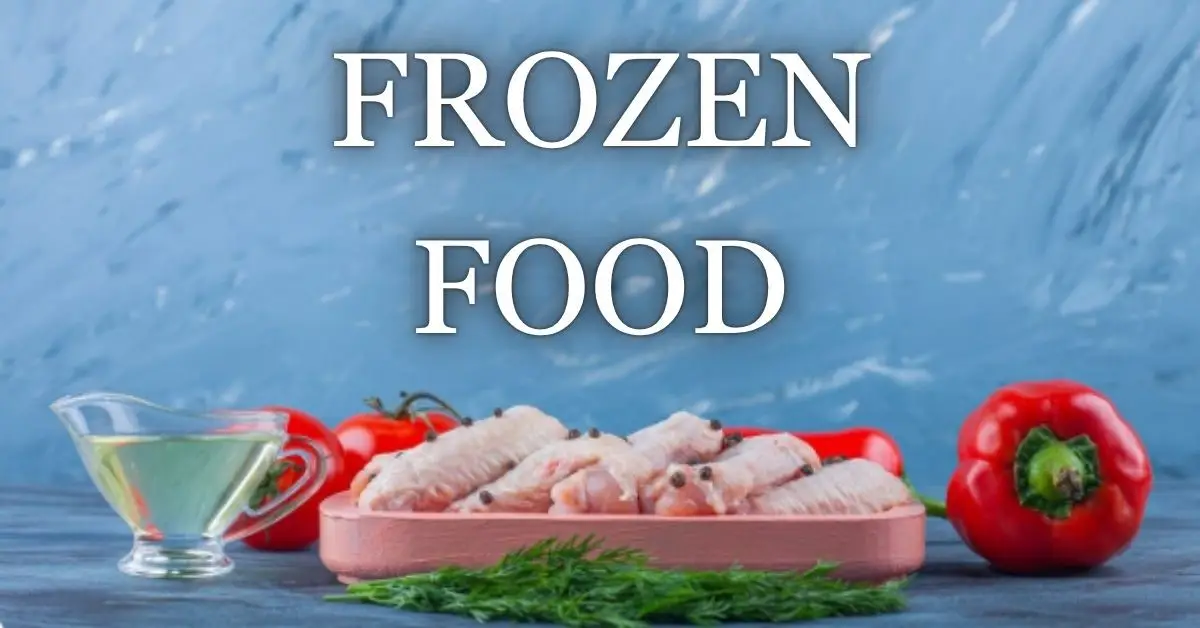
Frozen food has become a staple in modern kitchens, offering convenience, affordability, and surprising nutritional value. From vegetables and fruits to ready-made meals and seafood, frozen options make it easier to enjoy a variety of foods without worrying about spoilage. Once considered a last resort, frozen food is now recognized as a practical solution for busy families, health-conscious consumers, and anyone looking to reduce food waste. Understanding how it is processed, stored, and used can help you make better decisions and get the most from your freezer.
The Evolution of Frozen Food in Modern Kitchens
The journey of frozen food from industrial innovation to household necessity is one of the most fascinating stories in the food industry. Before freezing technology became widespread, people relied on salting, drying, and canning to preserve ingredients. The introduction of flash-freezing transformed food preservation by locking in texture, flavor, and nutrients shortly after harvest or preparation. This method changed how consumers shopped and ate, making seasonal produce and prepared meals available year-round.
Today, supermarket freezer aisles are filled with products that cater to nearly every lifestyle and dietary need. Organic vegetables, gluten-free pizzas, vegan entrees, and protein-packed breakfast options are all readily available. Improvements in packaging and cold-chain logistics have further enhanced quality and safety. What was once limited to simple peas and fish sticks has become a diverse market worth billions of dollars worldwide.
Consumer attitudes have also evolved. Many people now recognize that frozen fruits and vegetables can be just as nutritious as fresh ones. Busy professionals appreciate the time savings, while families benefit from lower costs and less waste. As food technology continues to improve, frozen products are becoming even more appealing and sophisticated.
The popularity of frozen food is also tied to shifting lifestyles. With more households balancing work, school, and social commitments, quick meal solutions are in high demand. Frozen ingredients and ready-to-eat options offer flexibility without sacrificing variety. This convenience has secured their place as a permanent fixture in modern kitchens.
Will You Check This Article: Coyyn: A Modern Guide to Digital Finance and Innovation
How Frozen Food Preserves Nutrients and Freshness
One of the most common misconceptions is that freezing reduces nutritional value. In reality, frozen food often retains nutrients exceptionally well because it is typically processed soon after harvest or preparation. Vegetables are blanched briefly and then rapidly frozen, preserving vitamins, minerals, and antioxidants that might otherwise degrade during transport and storage.
Fresh produce can lose nutrients over several days, especially when exposed to heat, light, and oxygen. Frozen alternatives are stabilized at peak ripeness, locking in their nutritional profile. This makes them a dependable option when fresh ingredients are out of season or have traveled long distances. Frozen berries, spinach, and broccoli are excellent examples of nutrient-rich staples.
Protein foods such as fish, chicken, and shrimp also maintain their nutritional integrity when frozen properly. Freezing slows microbial growth and enzymatic activity, helping preserve texture and flavor. In many cases, seafood is frozen at sea within hours of being caught, ensuring excellent freshness.
Prepared frozen meals vary in nutritional quality depending on their ingredients. Some are high in sodium or saturated fat, while others are balanced and rich in vegetables and lean proteins. Reading labels is essential for choosing healthier options. Overall, freezing is one of the most effective preservation methods available.
Types of Frozen Food Available Today
The frozen aisle has expanded far beyond basic convenience meals. Consumers can find an impressive range of ingredients and complete dishes designed for every taste and dietary preference. Fruits, vegetables, meats, seafood, bakery products, snacks, and desserts all benefit from freezing technology.
Frozen fruits are ideal for smoothies, baking, and yogurt toppings. Popular choices include strawberries, blueberries, mango chunks, and mixed tropical blends. Vegetables such as peas, corn, carrots, and stir-fry mixes are convenient for side dishes and soups. These products reduce prep time and eliminate the need for washing and chopping.
Frozen proteins offer flexibility for meal planning. Chicken breasts, fish fillets, ground beef, and plant-based meat alternatives can be stored for weeks or months. Ready-made items like meatballs and burger patties simplify cooking even further. Seafood options, including shrimp and salmon, provide nutritious choices that are easy to prepare.
The prepared meal category continues to grow rapidly. Consumers can choose from pizzas, pasta dishes, curries, breakfast sandwiches, and family-sized casseroles. Specialty items such as keto meals, vegetarian bowls, and international cuisines make frozen food appealing to a broader audience than ever before.
Benefits of Frozen Food for Busy Households
Convenience is the most obvious advantage of frozen food, but it offers several other important benefits. Time savings are substantial because ingredients are pre-washed, pre-cut, and often partially cooked. This reduces meal preparation and helps people maintain healthier eating habits even on hectic days.
Cost-effectiveness is another major benefit. Frozen produce and proteins often cost less than fresh versions, particularly when items are out of season. Bulk purchases can be stored for long periods, allowing households to take advantage of promotions and reduce grocery expenses. This makes budgeting easier.
Food waste is significantly reduced when products are frozen. Fresh fruits and vegetables may spoil before they are used, leading to unnecessary losses. Frozen alternatives remain available until needed, which helps households consume what they buy and avoid throwing away edible food.
Variety is another overlooked benefit. Frozen ingredients make it possible to enjoy berries in winter, seafood inland, and international dishes without special ingredients. This accessibility encourages experimentation and allows people to diversify their diets with minimal effort.
Choosing Healthy Frozen Food Options
Not all frozen products are created equal, so making informed choices is essential. Whole foods such as plain vegetables, fruits, and unseasoned proteins are generally the healthiest options. They contain minimal additives and can be incorporated into a wide range of recipes.
When selecting prepared meals, review the nutrition label carefully. Look for products with moderate sodium levels, adequate protein, and a good balance of vegetables and whole grains. Short ingredient lists with recognizable foods are usually a positive sign. Avoid products with excessive added sugars, hydrogenated oils, or artificial additives if possible.
Portion size is another important consideration. Some frozen dinners appear healthy but contain multiple servings. Checking serving information helps you understand the actual calorie and nutrient content. Pairing a smaller entrée with a side salad or extra vegetables can create a more balanced meal.
Marketing claims such as “natural,” “premium,” or “light” do not always indicate superior nutrition. Focus on factual information rather than packaging language. By reading labels and choosing minimally processed items, consumers can make frozen food a healthy part of their routine.
Safe Storage and Preparation of Frozen Food
Proper storage is essential for maintaining quality and safety. Freezers should be kept at 0°F (-18°C) or lower to prevent bacterial growth and preserve texture. Most frozen items remain safe indefinitely at this temperature, though flavor and texture may decline over time.
Packaging should remain intact and free from punctures or ice buildup. Excessive frost can indicate temperature fluctuations that affect quality. Once a package is opened, reseal it tightly or transfer contents to airtight containers to prevent freezer burn and moisture loss.
Safe thawing methods include the refrigerator, cold water, or microwave. Perishable foods should never be thawed at room temperature, where bacteria can multiply rapidly. Some products, such as vegetables and breaded items, can be cooked directly from frozen for added convenience.
Cooking instructions should be followed carefully, especially for prepared meals and raw proteins. Using a food thermometer ensures that meats and poultry reach safe internal temperatures. Proper handling allows frozen food to remain both safe and enjoyable.
Environmental and Economic Impact of Frozen Food
Frozen products can contribute to sustainability by reducing waste throughout the supply chain. Produce that might otherwise spoil during transportation can be frozen at peak ripeness and stored efficiently. Consumers also waste less food at home because products last longer.
Energy consumption is a valid concern, as freezing and storage require electricity. However, the environmental impact may be offset by lower spoilage rates and more efficient transportation. Concentrated distribution systems and improved refrigeration technology continue to reduce emissions associated with frozen products.
Economically, frozen food supports growers, processors, logistics providers, and retailers. It creates jobs while stabilizing supply and demand for agricultural products. Farmers benefit from having more outlets for crops that may not meet cosmetic standards for fresh sale.
For consumers, frozen options offer predictable pricing and year-round availability. Seasonal fluctuations have less impact on cost, and bulk purchasing becomes practical. These economic advantages help explain the enduring popularity of frozen food across different income levels.
Conclusion
Frozen food has evolved into a reliable, nutritious, and convenient solution for modern living. Whether you are stocking vegetables for quick weeknight dinners, storing seafood for future meals, or relying on prepared entrees when time is limited, frozen options offer flexibility and value. By understanding how to choose high-quality products, read labels, and store them safely, you can enjoy all the benefits while supporting healthier eating habits. With thoughtful selection and proper preparation, frozen food deserves its place as one of the smartest additions to any kitchen.
Read More: Cryptoboostly.co.uk

The Mock Audit That Pays for Itself: How Internal RADV Simulations Reduce Real Audit Exposure

Essential Measurement Tools for Electrical Maintenance Teams

Affordable Student Accommodation in Leicester: Where to Live on a Budget

Ben Shephard Wife Illness: What Is Really Known About Annie’s Health And Their Life Together

Mark Redknapp: The Real Story Behind Harry Redknapp’s Low-Key Son