
Blog
cumhuritey: Meaning, History, and Modern Relevance


The idea of cumhuritey carries more weight than a simple political label. It reflects a way of thinking about society, power, and shared responsibility. For many people, the term connects history with daily life, shaping how citizens see their rights and duties. Understanding this concept helps explain how modern governance evolved and why public participation remains essential. Its relevance goes far beyond textbooks or political speeches.
Understanding the Core Idea of Cumhuritey
At its heart, cumhuritey represents governance built on the will of the people. Instead of authority flowing from a monarch or elite group, power is rooted in collective consent. This shift changed how societies organized themselves, placing citizens at the center of decision making. The idea promotes accountability, where leaders are seen as representatives rather than rulers with absolute control.
The concept also emphasizes equality before the law. In a republic-based system, social status or family background should not define political influence. Everyone is meant to have a voice, at least in principle. This ideal created space for civic responsibility, where participation is not only a right but a shared obligation toward the community.
Over time, cumhuritey became more than a governing model. It turned into a cultural mindset that values public debate, shared values, and national identity. Even when systems struggle, the underlying principle remains a reference point. It reminds societies of their original promise to govern themselves fairly and transparently.
Will You Check This Article: Unbannedg: A Practical Look at Safe Access and Digital Freedom
Historical Roots and Early Influences
The foundations of republican thinking appeared long before modern states existed. Ancient civilizations experimented with shared governance, councils, and assemblies. These early systems were imperfect, often limited to specific social groups, but they introduced the idea that leadership could be collective. Such experiments planted the seeds for later political revolutions.
During the Enlightenment period, philosophers refined these ideas further. Thinkers questioned inherited power and argued for reason, law, and representation. Their writings influenced revolutions that challenged monarchies and redefined political authority. These moments were not just political shifts but social awakenings that reshaped how people viewed citizenship.
As nations formed new identities, republican ideals adapted to local cultures. Each society interpreted the concept differently, blending tradition with reform. This flexibility allowed the idea to survive across centuries. The historical journey shows that republicanism is not static but constantly shaped by experience and context.
Cumhuritey and National Identity
For many countries, republican values became closely tied to national identity. The system symbolized independence, modernization, and a break from past domination. Citizens began to associate self-rule with dignity and progress. This emotional connection strengthened public support, even during challenging political transitions.
Education played a key role in embedding these values. Schools, public ceremonies, and national narratives reinforced the importance of civic unity. Over time, people learned to see themselves as active members of a shared political project. This sense of belonging made governance feel personal rather than distant.
However, national identity built around republican ideals requires constant renewal. When citizens feel disconnected, the system weakens. Maintaining this bond depends on trust, inclusion, and open dialogue. A healthy republic reflects its people, adapting as society evolves while holding onto its core principles.
Role of Citizenship and Civic Responsibility
Citizenship within a republic goes beyond legal status. It involves participation, awareness, and responsibility toward others. Voting, public discussion, and community engagement are practical expressions of this role. Without active citizens, even the strongest institutions lose their meaning.
Civic responsibility also includes respecting differing opinions. A functioning republic depends on dialogue rather than silence. Disagreement is not a weakness but a sign of engagement. When people listen and respond thoughtfully, collective decisions improve, and social trust grows.
Daily actions matter just as much as elections. How individuals treat public spaces, follow laws, and support fairness reflects republican values in practice. These small behaviors shape political culture over time. They remind us that governance is not only about leaders but about shared conduct.
Cumhuritey in Modern Governance
In the modern world, cumhuritey faces complex challenges. Globalization, technology, and social change have transformed how states operate. Governments must respond faster while remaining accountable. This balance is difficult but essential to preserve public confidence.
Digital platforms now influence political participation. Information spreads quickly, shaping opinions in real time. While this creates opportunities for engagement, it also brings risks like misinformation. Modern republics must adapt without compromising transparency or freedom of expression.
Despite these pressures, republican systems remain relevant. They provide frameworks for reform, allowing societies to correct course peacefully. The ability to change leadership through legal means is a powerful safeguard. It ensures continuity while allowing progress through collective choice.
Cultural and Social Impact Over Time
Republican values have influenced culture as much as politics. Literature, art, and public discourse often reflect themes of freedom, equality, and shared destiny. These expressions help translate abstract principles into relatable human experiences. Culture becomes a mirror of civic ideals.
Social reforms frequently emerge from this environment. Movements for expanded rights often reference republican promises of equality. When reality falls short, citizens use these ideals to demand change. This dynamic shows how principles inspire action across generations.
At the same time, culture helps preserve memory. Stories of struggle and achievement remind people why self-governance matters. They connect past sacrifices with present responsibilities. This continuity strengthens social cohesion and keeps foundational values alive.
Challenges and Misunderstandings Today
Modern interpretations sometimes oversimplify republican ideals. People may assume that having elections alone fulfills the concept. In reality, deeper engagement is required. Institutions, laws, and civic culture must work together to sustain meaningful participation.
Economic inequality presents another challenge. When disparities grow, equal representation feels distant. Citizens may lose faith if they believe the system favors only a few. Addressing these concerns is crucial for maintaining legitimacy and social stability.
There is also confusion between symbolism and substance. Celebrating national days means little without everyday fairness. True commitment involves continuous effort. Recognizing these challenges honestly allows societies to strengthen their systems rather than abandon them.
Conclusion
The enduring value of cumhuritey lies in its promise of shared ownership over public life. It reminds people that governance is not something done to them but with them. This idea remains powerful because it places responsibility and dignity in the hands of citizens.
In a changing world, the concept offers stability through participation. It allows societies to adapt while respecting collective will. When practiced sincerely, it encourages fairness, dialogue, and accountability. These qualities remain essential regardless of era.
Understanding and living these principles keeps the system alive. A republic survives through engaged citizens who care about more than themselves. That ongoing commitment is what transforms an idea into a lasting reality.
Read More: Dollartimes.co.uk

Language often hides small treasures that reveal a culture’s character, and sodziu is one of those rare examples. At first glance, it may seem like a simple Lithuanian expression, yet its meaning stretches far beyond a literal translation. People use it to summarize thoughts, express emotion, or reflect on everyday experiences. In different contexts, sodziu can even hint at rural heritage, community life, or a nostalgic connection to the countryside. This makes the word surprisingly rich for such a short expression. Understanding sodziu helps uncover how language carries identity, history, and human emotion in ways that dictionaries alone cannot fully explain.
The Origins and Meaning of Sodziu
The word sodziu comes from Lithuanian linguistic roots connected to the term “žodis,” which means “word.” Over time, the expression evolved into a conversational tool used to summarize ideas or wrap up a statement. In everyday speech, it often appears when someone finishes explaining something or wants to emphasize the final point of a story. This simple role gives it a natural place in casual communication.
Although its direct translation is often interpreted as “in a word” or “to sum it up,” the emotional meaning goes deeper. When people use sodziu, they are often expressing a feeling of reflection, resignation, or clarity after thinking something through. The word works like a pause in conversation, giving both speaker and listener a moment to process what has been said.
In linguistic terms, sodziu also shows how small conversational markers can shape the rhythm of dialogue. Some cultures rely heavily on direct statements, but Lithuanian communication often values thoughtful transitions between ideas. Words like sodziu create that bridge, allowing speakers to shift from explanation to conclusion in a natural and expressive way.
Will You Check This Article: Filmyzillahd: What It Is and Why It’s Trending
Sodziu as a Reflection of Lithuanian Culture
Understanding sodziu requires looking beyond grammar and into cultural habits. Lithuanian communication tends to value sincerity, reflection, and emotional nuance. Instead of rushing through conversations, people often use small phrases to soften transitions between thoughts. Sodziu works perfectly for this purpose because it signals that the speaker is stepping back and summarizing their perspective.
The expression also reflects a cultural preference for subtlety. Rather than delivering blunt conclusions, speakers might gently introduce their final point with sodziu. This approach keeps the tone conversational while still delivering clarity. It feels less formal and more human, which explains why the word remains popular in everyday speech.
Another reason sodziu resonates culturally is that it mirrors the Lithuanian tendency toward thoughtful storytelling. Conversations often include background details, personal reflections, and emotional context. By the time someone says sodziu, the listener understands that the speaker is bringing all those pieces together into a final thought or conclusion.
Sodziu and the Idea of Rural Heritage
In some contexts, sodziu also carries a connection to rural life and traditional communities. Historically, Lithuanian villages and homesteads formed the heart of social and cultural life. The term has occasionally been associated with these environments, where storytelling, shared experiences, and community conversations were part of everyday living.
Rural communities often rely on oral traditions, where stories are passed down through generations. Expressions like sodziu naturally appear in these narratives because they help structure the story. A speaker might describe a long chain of events and then use the word to wrap up the meaning of the experience in a single thought.
This rural connection also explains why the term sometimes evokes feelings of nostalgia. For many people, hearing sodziu brings to mind family gatherings, village conversations, and simple moments of reflection. In that way, the word becomes more than a linguistic tool. It becomes a reminder of cultural roots and shared heritage.
Everyday Communication and the Role of Sodziu
In daily conversation, sodziu works as a flexible expression that helps people organize their thoughts. Someone might spend several minutes explaining a situation, then conclude with the word to indicate that everything has been summarized. It functions almost like a conversational punctuation mark that signals closure.
The tone of the word can change depending on context. Sometimes it expresses relief after explaining something complicated. Other times it shows mild frustration, as if the speaker has run out of patience with a situation. The emotional weight comes from how it is said rather than the word itself.
Because of this flexibility, sodziu has become a natural part of informal speech. It appears in conversations between friends, family members, and colleagues. Many speakers use it instinctively without thinking about its linguistic role, which shows how deeply embedded it is in everyday communication patterns.
The Modern Digital Life of Sodziu
Like many expressions rooted in traditional language, sodziu has adapted surprisingly well to the digital age. Social media users frequently include it in captions, comments, and memes to summarize a relatable experience. Its short length makes it perfect for online conversations where people want to express a final thought quickly.
In digital communication, the word often carries humor or mild sarcasm. Someone might describe a frustrating day and finish the story with sodziu to signal resignation or acceptance. This usage mirrors the way people speak in real life, proving that online language often reflects everyday speech patterns.
Another reason the word thrives online is its emotional clarity. Readers instantly recognize that it signals a concluding thought. In an environment where attention spans are short, a simple word that conveys closure becomes incredibly useful. As a result, sodziu has found a natural place in modern digital storytelling.
Why Simple Words Like Sodziu Matter
At first glance, it may seem surprising that a small word can hold so much significance. However, linguistic experts often point out that everyday expressions reveal how people think and interact. Words like sodziu act as social signals, guiding listeners through the emotional and logical flow of a conversation.
Such expressions also highlight the human side of language. While grammar rules and vocabulary lists form the structure of communication, small conversational markers add warmth and personality. They show hesitation, reflection, humor, or finality in ways that formal language cannot always capture.
Another important aspect is cultural identity. Each language has its own set of expressions that outsiders may find difficult to translate directly. Sodziu is one of those words that carries meaning beyond its literal definition. By understanding it, people gain insight into how Lithuanian speakers approach conversation and storytelling.
The Global Curiosity Around Sodziu
In recent years, interest in sodziu has spread beyond Lithuania. Language enthusiasts and cultural bloggers have started exploring its meaning, especially because it demonstrates how a single word can convey complex emotions. This curiosity often begins with simple questions about pronunciation or translation.
Foreign learners sometimes discover that the word does not have a perfect equivalent in English. While phrases like “in short” or “basically” come close, they rarely capture the full emotional nuance. This gap makes sodziu fascinating for linguists who study how languages encode subtle social cues.
The growing attention also reflects a broader interest in cultural authenticity. As people explore languages and traditions around the world, they become curious about the everyday expressions that locals use naturally. Sodziu represents one of those small linguistic windows into a culture’s mindset.
Conclusion
The word sodziu may appear simple at first, yet it carries layers of meaning that reveal much about language, culture, and communication. It works as a conversational bridge, helping speakers summarize thoughts while maintaining a natural tone. Over time, it has also become a subtle symbol of Lithuanian identity and storytelling traditions.
What makes sodziu truly interesting is how effortlessly it connects past and present. The expression echoes rural conversations and oral traditions while still thriving in modern digital communication. This blend of heritage and adaptability shows how language evolves without losing its cultural roots.
Ultimately, sodziu reminds us that even the smallest words can hold powerful meaning. They reflect the way people think, interact, and share experiences. By understanding such expressions, we gain a deeper appreciation for the cultural richness hidden within everyday language.
Read More: Dollartimes.co.uk

Across the internet, unusual words often appear in usernames, gaming profiles, and social media accounts. One example that sparks curiosity is lwedninja. At first glance, it may seem like a random combination of letters, yet names like this often carry personal meaning for the people who create them. Understanding how such names emerge helps explain the way digital identity works today. In online communities, creativity with usernames has become a common way to stand out while still expressing individuality.
The Origins Behind the Username
Many online names are formed by blending personal references with creative wording. In the case of lwedninja, the structure suggests a mix of a unique prefix combined with the word “ninja.” The first part may represent initials, a nickname, or a shortened personal name chosen by the user. These combinations are common when people want a username that feels personal yet remains available across platforms.
The second part of the name reflects a popular internet theme. The term ninja has long been used in gaming and online culture to suggest stealth, skill, or mastery. When people add this word to a username, they often want to convey a sense of expertise or agility within digital spaces.
This style of naming highlights how users adapt language creatively. Instead of relying on common words, they build new combinations that reflect personality or interests. Over time, these invented names become recognizable within the communities where they are used most frequently.
Will You Check This Article: Cristher Guide: Meaning, Uses, and Online Presence
Why Unique Usernames Matter Online
Choosing a distinctive username has become increasingly important as millions of new accounts appear across the internet every day. Platforms require unique identifiers, which means common names are often already taken. As a result, users create new variations by combining letters, numbers, or meaningful words.
A name like lwedninja allows someone to maintain a consistent identity across multiple platforms. Whether participating in gaming forums, social media discussions, or streaming communities, the same username helps others recognize the person behind it. This consistency builds familiarity and trust within online groups.
Another advantage of a unique username is discoverability. When a name is uncommon, it becomes easier for others to find that profile in searches or platform directories. This can be helpful for people who share content, participate in discussions, or build a following around their online activities.
The Influence of Gaming Culture
Gaming communities have played a major role in shaping how usernames are created. Competitive games often encourage players to adopt names that sound memorable, powerful, or creative. Words like ninja, warrior, or shadow frequently appear in gaming identities because they evoke skill and strategy.
Players sometimes choose names that reflect their playstyle or personality. Someone who enjoys stealth or strategic gameplay might include a word associated with precision or agility. These choices become part of how players express themselves within the gaming world.
Over time, gaming usernames often spread beyond the original platform. A name created for a multiplayer game may later appear on streaming channels, social media accounts, or community forums. This transition helps transform a simple username into a recognizable digital identity.
Creativity in Digital Naming
Online naming has evolved into a form of creative expression. Instead of simply using real names, many users experiment with word combinations that feel distinctive. These invented identities allow people to represent themselves in ways that traditional names sometimes cannot.
Creativity plays a large role in making a username memorable. When people encounter an unusual name, they are more likely to remember it during future interactions. This can be especially valuable in large communities where thousands of users are active at the same time.
Names built through creative combinations also reflect the playful nature of internet culture. Language online is constantly evolving, and new forms of expression appear every day. Usernames are one of the simplest yet most visible examples of this ongoing evolution.
The Role of Personal Identity Online
Digital spaces allow individuals to shape how they present themselves to others. A username becomes part of that presentation, often reflecting interests, personality traits, or creative ideas. In many cases, the chosen name tells a small story about the person using it.
People often keep the same username for many years. During that time, it becomes associated with their contributions, opinions, and interactions. Community members begin to recognize the name and connect it with specific experiences or conversations.
This long-term use turns a simple username into something more meaningful. It becomes a symbol of a person’s digital presence, representing their activity across multiple platforms and communities.
Online Communities and Recognition
Communities thrive when members recognize each other over time. Usernames play a crucial role in building that recognition. When someone repeatedly participates in discussions under the same name, others begin to remember their contributions.
A name like lwedninja may start as a creative choice, but it gradually becomes associated with the user’s behavior and personality. Positive interactions can help build a reputation, while consistent participation strengthens relationships within the group.
Recognition also encourages deeper engagement. When users feel known within a community, they are more likely to contribute ideas, share experiences, and help others. This dynamic strengthens the sense of connection that many online communities depend on.
How Naming Trends Continue to Evolve
Digital naming trends continue to change as new platforms and communities emerge. Social networks, gaming environments, and content platforms all influence how people create usernames. Each environment encourages slightly different styles of naming.
Some platforms favor short and simple names, while others inspire more creative combinations. The flexibility of online language allows users to experiment until they find something that feels right for them. This experimentation keeps internet culture fresh and constantly evolving.
As technology develops, new forms of digital identity may appear. Even so, the basic idea behind usernames will likely remain the same. People want names that feel personal, recognizable, and expressive within the communities they care about.
Conclusion
The username lwedninja reflects the broader culture of creativity that shapes digital identities today. What might seem like a random collection of letters actually represents the way individuals combine personal meaning with imaginative language. In online spaces where millions of users interact, unique names help people stand out and build recognition.
Understanding how names like lwedninja emerge reveals the deeper role usernames play in digital life. They are more than simple labels. They represent identity, creativity, and participation in communities that continue to grow across the internet.
Read More: Lumerink.com
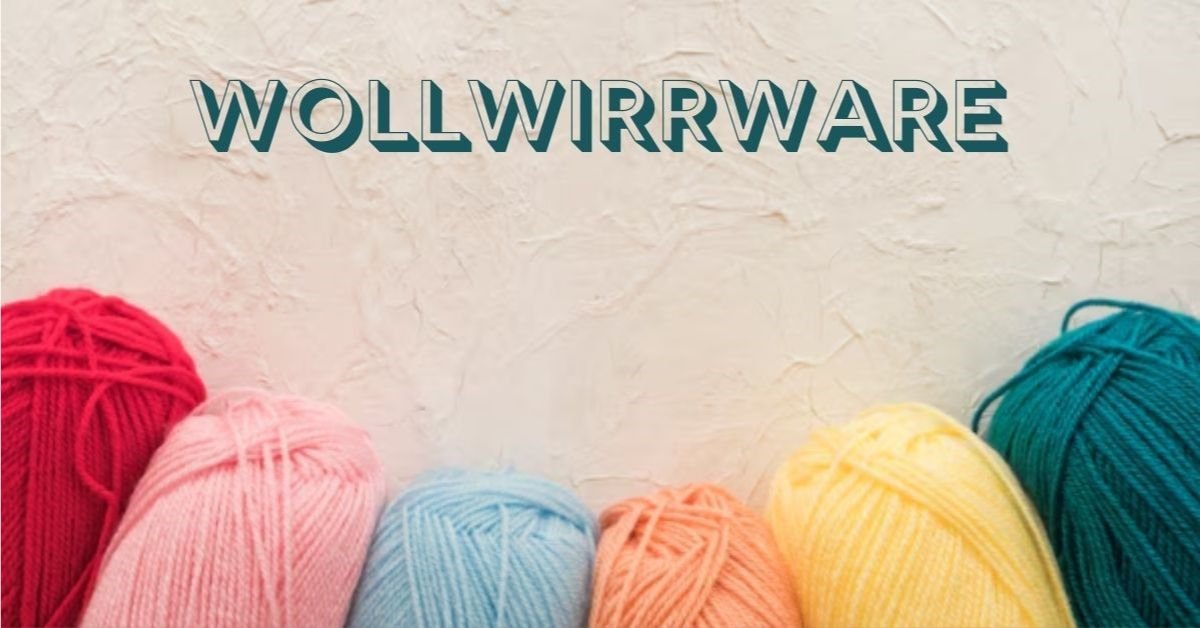
You may have never heard the word before, yet wollwirrware paints a picture instantly once you understand it. It describes a tangled mess of wool or yarn, but the meaning goes deeper than a simple knitting accident. Wollwirrware captures the feeling of disorder, confusion, and creative chaos all at once. Whether you knit, craft, or simply enjoy language, this word offers surprising insight into how we handle both physical and mental tangles.
The Origins and Meaning of Wollwirrware
Wollwirrware comes from German linguistic roots, blending words that describe wool, confusion, and goods. German is known for its compound words, and this one follows that tradition. When combined, these elements form a vivid expression that immediately communicates visual disorder. Even if you do not speak German, the imagery feels intuitive once explained.
At its simplest level, the word refers to a pile of tangled yarn. Anyone who has worked with knitting materials understands how quickly threads twist together. What starts as neatly wound skeins can transform into a frustrating knot. That moment of discovery often feels overwhelming, yet oddly familiar.
Beyond literal yarn, the term carries metaphorical meaning. It can describe situations that feel messy or hard to untangle. Just like knotted wool, certain problems require patience and steady hands. The word therefore becomes more than vocabulary. It becomes a reflection of life’s occasional disorder.
Will You Check This Article: Homeware Zone Ideas for Stylish Living
Why Tangled Yarn Happens So Easily
Yarn tangles for surprisingly simple reasons. Loose ends, careless storage, and frequent movement allow strands to twist around each other. When knitting projects are paused and placed in bags without care, knots develop quickly. The softness of wool makes it flexible, but that flexibility increases the chance of tangling.
Environmental factors also contribute. Pets, especially curious cats, love batting at yarn balls. Even small disturbances create loops that tighten over time. A single tug in the wrong direction can turn a minor twist into a complex knot. The longer it sits untouched, the harder it becomes to separate.
Human impatience often makes matters worse. Pulling aggressively tightens fibers instead of loosening them. Experienced knitters learn to pause and examine the structure before acting. Understanding how tangles form is the first step toward preventing frustration in future projects.
Creative Lessons Hidden in Wollwirrware
There is something surprisingly symbolic about wollwirrware. Creative work rarely moves in a straight line. Projects evolve, stall, and shift unexpectedly. The tangled yarn becomes a physical reminder that creative progress is not always smooth. Sometimes confusion is simply part of the process.
When faced with disorder, the instinct may be to abandon the project. Yet patiently untangling threads can feel meditative. Each small movement restores order gradually. That quiet focus often clears the mind as well. Crafting teaches resilience in subtle but meaningful ways.
Artists and makers understand that beauty often emerges from initial chaos. What appears messy at first can transform into something functional and beautiful. Accepting that temporary confusion is normal helps reduce frustration. Creativity thrives when patience replaces panic.
Preventing Yarn Chaos Before It Starts
Storage plays a crucial role in preventing tangled fibers. Keeping yarn in sealed containers or individual project bags reduces movement. Organized spaces may seem unnecessary at first, but they save time later. When materials stay separated, the risk of knots drops significantly.
Winding yarn into center pull balls also helps maintain order. This method allows the thread to unwind smoothly without rolling around the room. Many experienced knitters swear by proper winding techniques. It requires a few extra minutes but prevents hours of detangling later.
Consistency matters more than perfection. Returning materials to their place after each session creates habit. Over time, that routine keeps supplies manageable. A little structure reduces the likelihood of confronting an overwhelming pile of twisted strands.
Untangling Wollwirrware Without Damage
When facing true wollwirrware, patience becomes essential. Start by locating loose ends rather than pulling randomly. Gentle movements prevent tightening existing knots. Slow progress may feel frustrating, but careful handling preserves the integrity of the fibers.
Good lighting makes a noticeable difference. Shadows can hide small loops that contribute to larger tangles. Spreading the yarn across a flat surface allows clearer visibility. Breaking the problem into sections often simplifies the process.
It also helps to remain calm. Frustration leads to rushed decisions that worsen the knot. Treating the task as a puzzle instead of a problem changes perspective. With steady hands and time, even the most stubborn tangles can loosen.
Wollwirrware as a Metaphor for Life
Life occasionally resembles a pile of tangled threads. Plans overlap, responsibilities multiply, and clarity fades. In those moments, the concept of wollwirrware feels deeply relatable. Problems rarely unravel instantly, yet steady attention gradually restores order.
Approaching challenges gently often produces better results than force. When people react aggressively to stress, complications increase. A thoughtful approach allows space to identify root causes. Small adjustments accumulate into meaningful solutions.
The metaphor reminds us that confusion is temporary. Just as yarn can be restored to usable form, complicated situations can become manageable. Patience, observation, and steady effort often solve what initially appears impossible.
The Joy of Handmade Imperfection
Handcrafted items carry personality precisely because they are not flawless. Slight inconsistencies reveal human effort. In knitting and crochet, minor irregularities add warmth and authenticity. Perfect symmetry may look impressive, but handmade texture feels inviting.
Even tangled beginnings can lead to satisfying endings. A project that required extra patience often feels more rewarding. The time spent untangling threads deepens connection to the final piece. Effort transforms ordinary materials into meaningful creations.
Imperfection encourages learning. Each mistake teaches technique and foresight. Over time, experience reduces frustration while increasing skill. Accepting minor flaws builds confidence and encourages continued creativity.
Conclusion
Wollwirrware may begin as a simple description of tangled wool, yet it carries broader meaning. It reflects creative challenges, everyday disorder, and the patience required to restore balance. Whether dealing with yarn or life’s complications, steady attention makes a difference. By understanding how tangles form and how to address them calmly, frustration turns into growth. In the end, wollwirrware reminds us that even chaos can lead to clarity when handled with care.
Read More: Dollartimes.co.uk

YoMovies1: What It Is and How It Works Online

Sodziu Meaning and Cultural Significance Explained

Filmyzillahd: What It Is and Why It’s Trending

The Untold Story of Drew Pritchard Wife: From Antique Stardom to Personal Evolution

Ben Shephard Wife Illness: What Is Really Known About Annie’s Health And Their Life Together

John Henry Kelley: Life, Career, Achievements & the Story Behind the Name
-

 Home1 week ago
Decobry Home Decor Ideas for Modern Spaces
-

 Blog1 week ago
Lwedninja Meaning: Online Identity and Digital Use
-
 Celebrity7 days ago
Chopenawer: Meaning, Uses, and Practical Insights
-

 Tech1 week ago
Epcylon Meaning and Practical Insights
-

 Tech6 days ago
Bestautoxperts.com: Complete Review and Guide
-

 Tech1 week ago
Cristher Guide: Meaning, Uses, and Online Presence
-

 Celebrity7 days ago
Felixing: Meaning, Trends, and Real-World Impact
-
 Blog1 week ago
Gärningar Explained Through Real Life Actions