Home
Decobry Home Decor Ideas for Modern Spaces

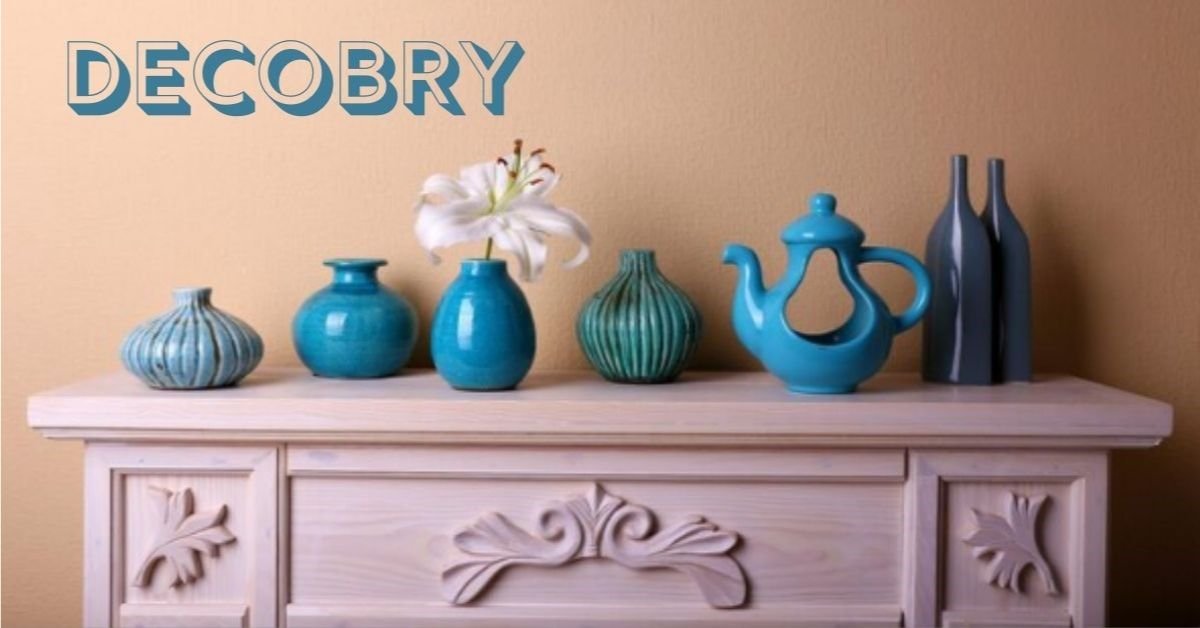
Walking into a space that feels balanced and personal can instantly lift your mood. That is the quiet power behind decobry, a modern approach to home styling that blends decoration with everyday functionality. Instead of chasing trends, decobry focuses on thoughtful design choices that reflect personality and comfort. It is not about filling rooms with expensive pieces, but about creating harmony through texture, color, and purposeful placement. When done right, even small changes can transform how a home feels.
Understanding the Concept Behind Decobry
Decobry is not tied to a strict historical design movement. Rather, it represents a flexible decorating philosophy centered on creativity and livability. The idea is simple. A home should feel welcoming while still reflecting individual taste. Instead of copying showroom layouts, this approach encourages thoughtful mixing of materials and personal touches.
Many homeowners struggle because they follow rigid design rules. They hesitate to experiment, fearing mistakes. Decobry removes that pressure. It invites exploration while maintaining balance. When you understand that design is adaptable, decorating becomes less stressful and more enjoyable.
The core of this concept lies in intention. Each piece should serve a purpose, whether practical or emotional. A lamp provides light, but it can also add warmth. A chair offers seating, yet its shape influences comfort. Viewing design through this lens makes every choice meaningful.
Will You Check This Article: Simpciyu: A Practical Guide to Modern Simplicity
Choosing Colors That Define Your Space
Color sets the tone before furniture even enters the room. Soft neutrals create calm environments, while deeper shades introduce drama and character. The key is not choosing what looks trendy online, but what feels comfortable in your own environment. Lighting and room size also influence how colors appear.
Warm tones often make spaces feel inviting and relaxed. Cooler hues can bring clarity and freshness. It helps to test small paint samples on walls before committing fully. Observing them at different times of day prevents costly repainting later.
Balance matters more than boldness. Too many strong colors can overwhelm the senses. Pairing vibrant accents with neutral backgrounds creates visual interest without chaos. This balance supports both style and daily comfort.
Furniture Placement for Flow and Function
Furniture arrangement shapes how a room functions. Many people focus on appearance alone and forget about movement. A beautiful layout that blocks natural pathways quickly becomes frustrating. Practical flow ensures daily activities feel smooth and effortless.
Start by identifying the primary purpose of the room. A living area may center around conversation rather than television. Position seating to encourage interaction. Leave enough space between pieces to avoid cramped movement. Comfort should guide placement decisions.
Scale is equally important. Oversized sofas can dominate smaller spaces, while tiny tables may look lost in large rooms. Measuring carefully before purchasing prevents imbalance. When furniture fits proportionally, the entire space feels cohesive.
Textures and Materials That Add Depth
Texture transforms flat spaces into layered environments. Mixing materials such as wood, metal, fabric, and glass creates visual richness. Even subtle differences in surface finish can influence how a room feels. Smooth marble contrasts beautifully with woven textiles.
Natural materials often bring warmth. Wooden elements introduce organic character, while linen and cotton soften rigid lines. Combining these materials thoughtfully keeps rooms from feeling sterile. Texture is not about excess. It is about thoughtful contrast.
Lighting also interacts with surfaces. Glossy finishes reflect brightness, while matte textures absorb it. Understanding this interaction helps maintain balance. A well-textured space feels inviting without appearing cluttered.
Practical Storage Solutions That Look Stylish
Clutter can undo even the most thoughtful design. Storage solutions should blend seamlessly with décor rather than stand out awkwardly. Built-in shelves, decorative baskets, and multipurpose furniture maintain order while adding style.
Open shelving works well when organized carefully. Displaying books and personal items creates character. However, overcrowding shelves makes spaces feel chaotic. Rotating displayed objects occasionally keeps the look fresh and intentional.
Hidden storage offers a cleaner appearance. Ottomans with compartments or beds with drawers maximize space discreetly. The goal is to maintain visual calm while ensuring daily items remain accessible.
Lighting Choices That Transform Mood
Lighting shapes atmosphere more than many realize. Overhead lights alone rarely provide comfort. Layered lighting creates flexibility and warmth. Combining ceiling fixtures with table lamps and floor lights allows adjustment based on activity.
Natural light deserves attention as well. Sheer curtains soften brightness without blocking it completely. Reflective surfaces such as mirrors enhance daylight distribution. A well-lit room feels open and welcoming.
Dimmers provide added control. Adjusting brightness in the evening creates relaxation. Morning light can be brighter and energizing. Thoughtful lighting adapts to daily rhythm and enhances overall comfort.
Personal Touches That Complete the Look
A home feels incomplete without personal elements. Photographs, artwork, and souvenirs tell stories about experiences and memories. These pieces make a space unique rather than generic. Even simple framed prints can add warmth.
Plants also introduce life. Indoor greenery improves air quality and softens hard edges. Caring for plants adds a gentle routine to daily life. Their presence creates calm and visual freshness.
Small details matter. Cushions, throws, and decorative accents bring personality. The key is restraint. Too many accessories can feel overwhelming. Thoughtful placement ensures each piece stands out meaningfully.
Conclusion
Decobry represents more than decoration. It encourages thoughtful living through balanced design choices. By focusing on color harmony, functional layouts, layered textures, and personal details, any home can feel welcoming and practical. Small improvements often create the biggest difference. When you approach decobry with intention and creativity, your space begins to reflect who you truly are.
Read More: Dollartimes.co.uk

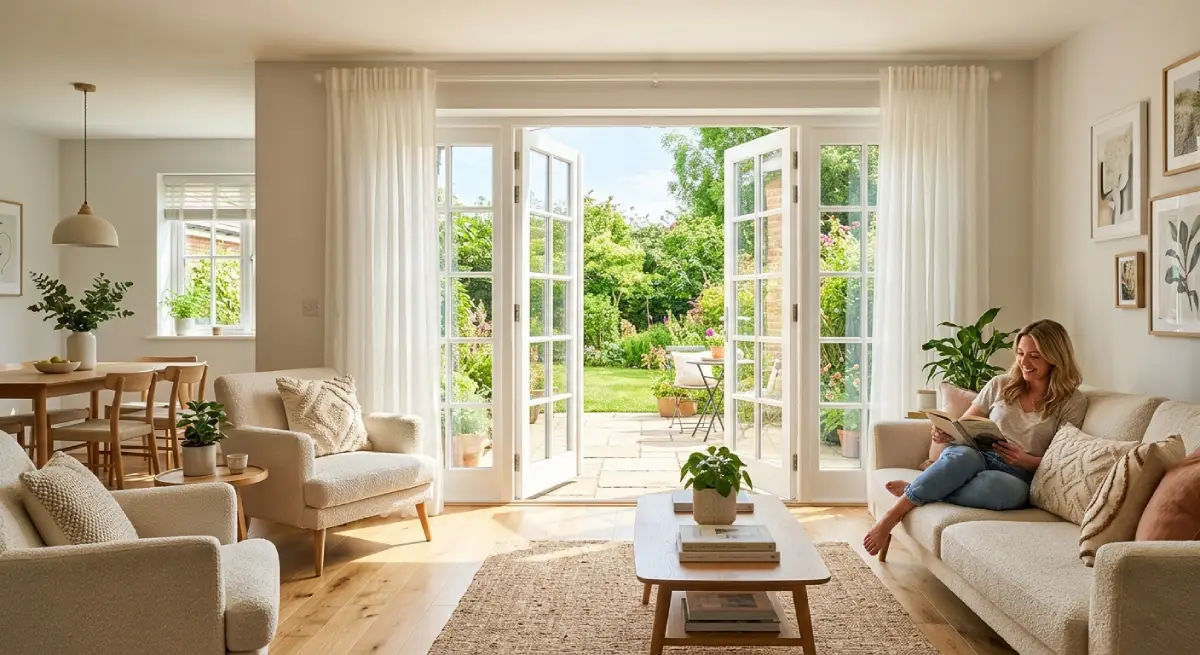
Doors are not merely entry or exit points in your house. They allow sunlight to illuminate your living space during the daytime. But, which door style reflects elegance and creates a first impression? French doors have become an exceptional choice that improves the charm of your living space.
With wooden frames and glass panels, these doors brighten the interior space. Let us discuss how they create a welcoming and airy atmosphere.
How do French doors ensure optimal light?
A dark living space causes mental health issues, such as cognitive decline and depression. Lack of light may also lead to eye strain. To avoid this problem, install French doors in your living room. So, how do they allow the flow of light into your room?
Expansive glass panels
A traditional timber doorhas a solid structure that obstructs light. But, French ones are integrated with large glass panes that create a brighter environment.
Indoor/outdoor connection-
French doors are transparent barriers that have a significant functional value. They allow a seamless connection to the exterior space, such as a patio or balcony. Light from outside will flood your room, creating a good ambiance.
Promote an open floor plan-
Many people install French doors for indoor use to enter from one room to another. They prevent dark hallways and keep the spaces connected.
Better ventilation
When doors are opened wide, they offer smooth airflow. This is how they improve lighting while creating a breezy atmosphere. Your room will not feel stuffy in the summer and winter months.
Other benefits of installing French doors
You might have installed French doors to receive the maximum amount of light. However, there are several other reasons to invest in them.
A timeless style
French doors have aesthetic value due to their elegant design. Made from timber, they will match the existing aesthetics. You may also customise the doors based on your preference and budget.
Boost your property value-
Wooden French doors can upgrade the value of your property. These attractive features will allow you to sell your home at a higher rate.
Energy efficiency
With the French door installation, make your home energy-efficient. But, choose the timber that acts as a natural insulator and reduces heat loss. So, hire professionals to install the door properly in your living space.
Improve longevity
Timber French doors have a durable design that provides lasting value. Correctly installed doors withstand the test of time.
Select the right French doors for your living space
Before installing the French door, you have to choose its style.
Double-hinged
When 2 doors are placed side by side, it refers to the double-hinged design. The hinges are present on the exterior side of your frame. The handles need to be placed on the door’s inner part to swing open from the middle. Connect your living room to the patio with these doors.
Single-hinged
It is another configuration, where the door remains fitted to the frame with standard hinges. The single-hinged doors allow the flow of light into the indoor space. You may also choose this door style for the exterior area.
Sliding
Modern French doors have a sliding mechanism, which is not present in the traditional ones. Many professionals install them on the balcony or patio.
Arched design
French doors with an arched design are unique, as they have a rounded top. Moreover, they seamlessly blend into contemporary and temporary architectures. You do not need to renovate this door design for several years.
Pocket door design
Space efficiency is the main reason to install a pocket French door. Its sliders will slide easily into the adjacent wall when you open it. Moreover, it will free up your floor space and allow a smooth transition between rooms.
Mirrored design
Mirrored French doors are perfect for adding brightness and depth to a room. Install them in your dark and small room to benefit from the light-reflecting power.
Louvered design
This door style includes horizontal slats that promote air flow. You will have no privacy with the louvered French doors.
After determining the style, select the glass and frame material. Original wood is the best material for the frame construction. Besides, the glass panel is a common part of French doors, maximising your views. However, you have to choose partial or full glass panels found in various styles.
Clear glass ensures the flow of optimal light. But, the textured and frosted ones are the right choice for your privacy.
Conclusion
Timber French doors are stunning architectural details that upgrade your lifestyle. They invite natural light and restore the home’s aesthetics. You will have a better living experience with the French door installation. During your home renovation, replace your old doors with the French-style doors. Brighten the space with a minimal investment.
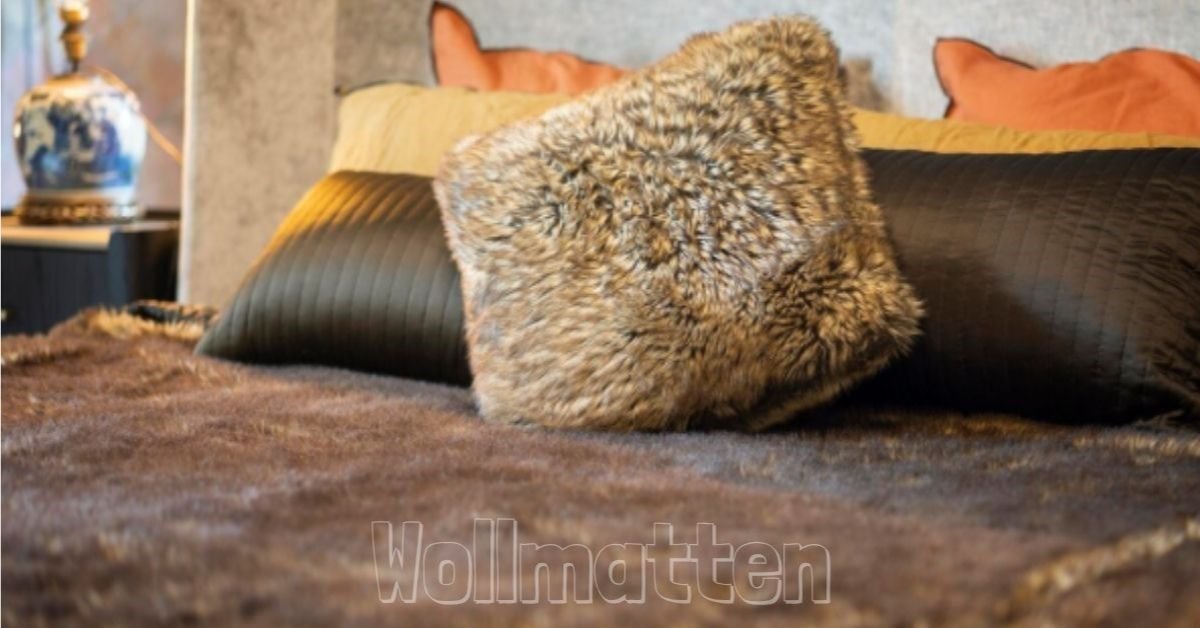
Wollmatten are gaining attention among homeowners, designers, and eco-conscious consumers who value comfort, sustainability, and timeless style. These natural fiber mats offer more than just visual appeal—they provide warmth, durability, and a connection to traditional craftsmanship. Whether used as floor coverings, insulation layers, or decorative accents, they fit seamlessly into modern and rustic interiors alike. Their versatility and environmental benefits make them a smart alternative to synthetic materials. As more people seek healthier living spaces, these wool-based solutions continue to stand out for their unique combination of function and beauty.
Understanding Wollmatten and Their Core Characteristics
Wollmatten are mats crafted primarily from natural wool fibers, often processed through weaving, felting, or pressing techniques to create dense, durable surfaces. The defining characteristic of these mats lies in their organic composition, which makes them breathable, resilient, and naturally insulating. Unlike synthetic materials, wool fibers have a crimped structure that allows them to trap air, providing both warmth and cushioning underfoot. This natural elasticity also helps the mat maintain its shape over time, even with frequent use.
Another important feature is their ability to regulate moisture, making them suitable for a variety of indoor environments. Wool can absorb humidity without feeling damp, contributing to a balanced indoor climate. Additionally, these mats are naturally flame-resistant and less likely to accumulate dust or allergens. This makes them particularly appealing for households that prioritize health and comfort. Overall, their combination of practicality and natural origin sets them apart in the world of home textiles.
Will You Check This Article: Switching 2nd: Smart Strategies for Seamless Change
The Historical Roots and Evolution of Wool-Based Mats
The origins of wool mats can be traced back centuries, when communities relied on natural fibers for warmth and protection against harsh climates. Early versions were handcrafted using traditional techniques such as hand-weaving or felting, often passed down through generations. These mats were not only functional but also carried cultural significance, reflecting regional patterns and craftsmanship. Over time, they became essential household items in colder regions, valued for their insulating properties.
As industrialization progressed, production methods evolved, allowing for greater consistency and accessibility. However, many artisans have preserved traditional methods, ensuring that the authenticity and quality of wool-based mats remain intact. Today, modern manufacturing combines these time-honored practices with innovative technology, resulting in products that are both durable and aesthetically versatile. This blend of heritage and innovation continues to shape the appeal of wollmatten in contemporary interiors.
Benefits of Wollmatten in Modern Living Spaces
One of the primary advantages of wollmatten is their exceptional comfort. The natural softness of wool fibers creates a cushioned surface that feels pleasant underfoot, making them ideal for living rooms, bedrooms, and relaxation areas. Their insulating properties also help maintain indoor warmth, reducing the need for additional heating during colder months. This not only enhances comfort but can also contribute to energy efficiency in the home.
In addition to comfort, these mats offer impressive durability. Wool fibers are naturally strong and resistant to wear, allowing the mats to withstand heavy foot traffic without losing their structure. They also resist stains and odors, making maintenance relatively simple compared to other materials. This combination of comfort, durability, and low upkeep makes them a practical choice for households seeking long-lasting flooring solutions.
Eco-Friendly Advantages and Sustainable Appeal
Sustainability is a major factor driving the popularity of wool-based products, and wollmatten are no exception. Wool is a renewable resource, as it is harvested from sheep without causing harm, and it naturally decomposes at the end of its lifecycle. This makes it an environmentally responsible alternative to synthetic materials that can contribute to pollution and waste. Choosing wool mats supports a more sustainable approach to home design.
Furthermore, the production of these mats often involves fewer harmful chemicals, especially when compared to synthetic flooring options. Many manufacturers prioritize eco-friendly processes, ensuring that the final product is safe for both users and the environment. By incorporating natural materials into living spaces, homeowners can reduce their ecological footprint while enjoying high-quality, aesthetically pleasing products. This alignment with sustainable values is a key reason for their growing demand.
Design Versatility and Aesthetic Integration
Wollmatten are celebrated for their ability to complement a wide range of interior styles. From minimalist modern spaces to cozy rustic settings, these mats blend effortlessly with different design themes. Their natural textures and neutral tones create a warm and inviting atmosphere, enhancing the overall aesthetic of a room. They can serve as subtle accents or statement pieces, depending on the design and placement.
In addition to their visual appeal, these mats are available in various shapes, sizes, and patterns, offering flexibility for different applications. Whether used as area rugs, hallway runners, or decorative layers, they add depth and character to any space. Designers often appreciate their ability to soften hard surfaces and create a balanced, harmonious environment. This versatility makes them a valuable addition to both residential and commercial interiors.
Maintenance Practices and Longevity Tips
Proper care is essential to ensure the longevity of wollmatten. Regular vacuuming helps remove dust and debris, preventing particles from settling deep into the fibers. It is important to use gentle cleaning methods, as harsh chemicals can damage the natural structure of wool. Spot cleaning with mild detergents is usually sufficient for minor stains, preserving the integrity of the material.
In addition to cleaning, rotating the mat periodically can help distribute wear evenly, extending its lifespan. Keeping the mat in well-ventilated areas also prevents moisture buildup and maintains freshness. With the right maintenance routine, these mats can retain their appearance and functionality for many years. Their durability, combined with proper care, makes them a worthwhile investment for any home.
Choosing the Right Wollmatten for Your Needs
Selecting the ideal wollmatten depends on several factors, including size, thickness, and intended use. For high-traffic areas, thicker and denser mats are recommended, as they provide greater durability and support. In contrast, lighter mats may be more suitable for decorative purposes or low-traffic spaces. Understanding the specific requirements of each area helps ensure the best choice.
Color and texture also play a significant role in the selection process. Neutral tones can create a calming effect, while bolder patterns may add visual interest to a room. It is important to consider how the mat will complement existing furniture and decor. By carefully evaluating these factors, homeowners can find a mat that not only meets functional needs but also enhances the overall aesthetic of their space.
Conclusion
Wollmatten continue to stand out as a practical and stylish solution for modern living spaces. Their natural composition, combined with durability and comfort, makes them a reliable choice for a wide range of applications. From their historical roots to their contemporary appeal, these mats embody a balance of tradition and innovation. They offer not only functional benefits but also contribute to a healthier and more sustainable living environment.
As more people prioritize eco-friendly materials and long-lasting products, the relevance of wollmatten continues to grow. Their ability to adapt to different design styles while maintaining their core qualities ensures their enduring popularity. Whether used for comfort, aesthetics, or sustainability, they represent a thoughtful investment in both home design and environmental responsibility.
Read More: Legendbio.co.uk
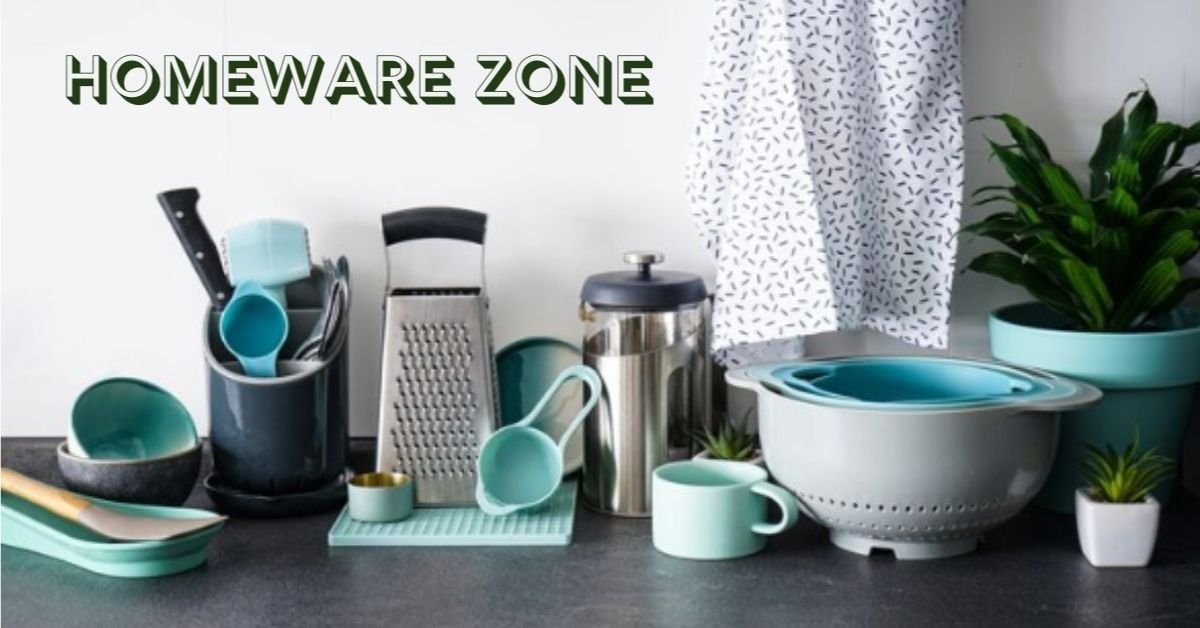
Walking into a thoughtfully arranged living space feels different. It feels calm, balanced, and inviting. That transformation rarely happens by accident. A well-planned homeware zone approach helps you see your home not as one big area, but as purposeful spaces working together. When you understand how each section functions, decorating becomes less overwhelming and far more rewarding. Let’s explore how to create a home that feels intentional, comfortable, and truly yours.
Understanding the Concept of Homeware Zone
A home is not just walls and furniture. It is a collection of small environments that serve specific purposes. When you look at your space through the lens of a homeware zone, you start identifying areas meant for relaxing, cooking, working, or entertaining. This mindset changes how you shop, arrange, and even declutter. Instead of random décor, you choose items that support a clear function.
This approach matters because it prevents impulse buying. Many people collect decorative pieces without considering how they fit into daily life. A zone-based mindset forces you to ask practical questions. Does this lamp improve reading comfort? Does this storage solution reduce clutter? You begin to value usefulness alongside beauty, which creates a balanced interior.
There is also a psychological benefit. Defined zones bring mental clarity. When your living room corner clearly signals relaxation, your brain associates it with rest. When your workspace feels organized and distinct, productivity improves. The structure of a homeware zone is not just aesthetic. It directly influences mood, habits, and comfort.
Will You Check This Article: Gärningar Explained Through Real Life Actions
Planning Your Space with Purpose
Before buying anything new, pause and observe how you use your home. Notice where you naturally sit in the evening or where clutter tends to gather. These patterns reveal how your current setup supports or disrupts daily life. Planning with intention means aligning furniture and accessories with real behavior rather than idealized images from magazines.
Start by measuring your space carefully. Dimensions determine what actually fits without overcrowding. Many design mistakes happen because people underestimate scale. A sofa that looks perfect in a showroom may dominate a small apartment. Purpose-driven planning keeps proportions realistic and ensures movement flows smoothly between areas.
Lighting should also be part of your early plan. Natural light defines mood more than most people realize. Position seating near windows if possible. Layer artificial lighting with floor lamps and task lights to support different activities. When planning is thoughtful, every element contributes to a cohesive and comfortable environment.
Choosing Quality Over Quantity
It is tempting to fill every corner quickly. Empty spaces can feel unfinished. Yet overcrowding reduces both comfort and elegance. Investing in fewer, higher-quality pieces often delivers better long-term satisfaction. Durable materials age gracefully and maintain their appeal even as trends shift.
Quality also affects daily experience. A sturdy dining chair feels different from a flimsy one. Well-made bedding improves sleep. Solid cookware enhances cooking results. These details shape routine moments, which eventually define how you feel about your home. Good homeware is not luxury for display. It is functional comfort.
Financially, buying better items saves money over time. Replacing cheap décor repeatedly costs more than choosing something durable from the start. Think of your purchases as long-term companions. When each piece earns its place, your home evolves steadily instead of constantly restarting.
Styling Each Homeware Zone for Function
Every homeware zone should serve a clear purpose before style comes into play. For example, a living area must support conversation and relaxation. Arrange seating to encourage eye contact rather than facing everything toward a screen. Practical layout decisions create warmth and natural interaction.
In the kitchen, function becomes even more critical. Keep everyday tools within easy reach. Store rarely used appliances elsewhere to reduce clutter. Clear countertops improve efficiency and make cleaning faster. When movement flows logically, cooking feels less stressful and more enjoyable.
Bedrooms deserve a calm and restful atmosphere. Choose soft textures, balanced lighting, and minimal distractions. Avoid turning this space into a storage extension. A thoughtfully styled zone signals the body to unwind. When each area is designed for its true purpose, the entire home feels harmonious.
Color, Texture, and Personality
Color influences emotion more than many realize. Soft neutrals create calm while deeper tones add intimacy. Instead of following trends blindly, consider how certain shades make you feel at different times of day. Testing samples before committing prevents costly mistakes and regret.
Texture adds depth even when colors remain simple. Combine smooth surfaces with woven fabrics or natural wood. Contrast keeps a room visually interesting without overwhelming the senses. A balance of materials prevents flatness and creates a layered, lived-in feel.
Personal items bring authenticity. Photographs, books, or handmade objects tell your story. Without these touches, even a perfectly styled interior can feel impersonal. Thoughtful decoration reflects experiences and memories. Personality transforms a house into a genuine home.
Storage Solutions That Actually Work
Clutter undermines even the most beautiful design. Effective storage keeps spaces functional and visually pleasing. The key is choosing solutions that match your habits. If you tend to drop keys near the door, add a small tray or wall hook there. Practicality beats rigid rules.
Hidden storage works well in smaller homes. Ottomans with compartments or beds with drawers maximize space without adding bulk. Vertical shelving also uses wall height efficiently. Smart placement allows rooms to breathe while still holding everyday essentials.
Consistency is essential. A system only works if you maintain it. Regularly reassess what you truly use. Donate items that no longer serve a purpose. Keeping storage intentional supports the overall clarity of your home and reduces daily stress.
Budget-Friendly Homeware Zone Updates
Refreshing a homeware zone does not always require major investment. Small changes can make a noticeable difference. Swapping cushion covers, adding a new rug, or rearranging furniture often shifts the entire mood. Creative adjustments can feel as satisfying as buying something new.
Secondhand shopping offers surprising opportunities. Many quality items are available at lower prices if you look carefully. With patience, you can find unique pieces that add character. Mixing new and pre-owned elements also creates a more layered and authentic look.
Set a realistic budget before making updates. This prevents emotional spending and encourages thoughtful decisions. Even limited funds can achieve meaningful transformation when spent with intention. The key lies in planning and prioritizing what truly improves daily comfort.
Maintaining a Balanced Homeware Zone
Creating a beautiful homeware zone is only half the journey. Maintenance keeps it feeling fresh and welcoming. Regular cleaning, simple repairs, and seasonal adjustments prevent deterioration. A well-cared-for space continues to support comfort over time.
Rotate décor occasionally to avoid visual fatigue. Moving artwork or switching textiles can revive a room without additional cost. Small changes maintain excitement and prevent the environment from feeling stagnant. It keeps your home evolving naturally.
Pay attention to how you feel in each space. If a room starts feeling crowded or uninspiring, reassess its layout and purpose. Homes should adapt as life changes. Continuous evaluation ensures your environment stays aligned with your needs.
Conclusion
A thoughtfully designed homeware zone approach turns decorating into a meaningful process rather than random shopping. By planning with intention, prioritizing quality, and styling each space for real-life use, you create a home that supports both comfort and personality. Small adjustments, smart storage, and balanced updates keep your environment functional and inviting. When every area serves a clear purpose, your home feels less chaotic and far more satisfying to live in.
Read More: Dollartimes.co.uk
The Mock Audit That Pays for Itself: How Internal RADV Simulations Reduce Real Audit Exposure

Essential Measurement Tools for Electrical Maintenance Teams

Affordable Student Accommodation in Leicester: Where to Live on a Budget

Ben Shephard Wife Illness: What Is Really Known About Annie’s Health And Their Life Together

Mark Redknapp: The Real Story Behind Harry Redknapp’s Low-Key Son