Celebrity
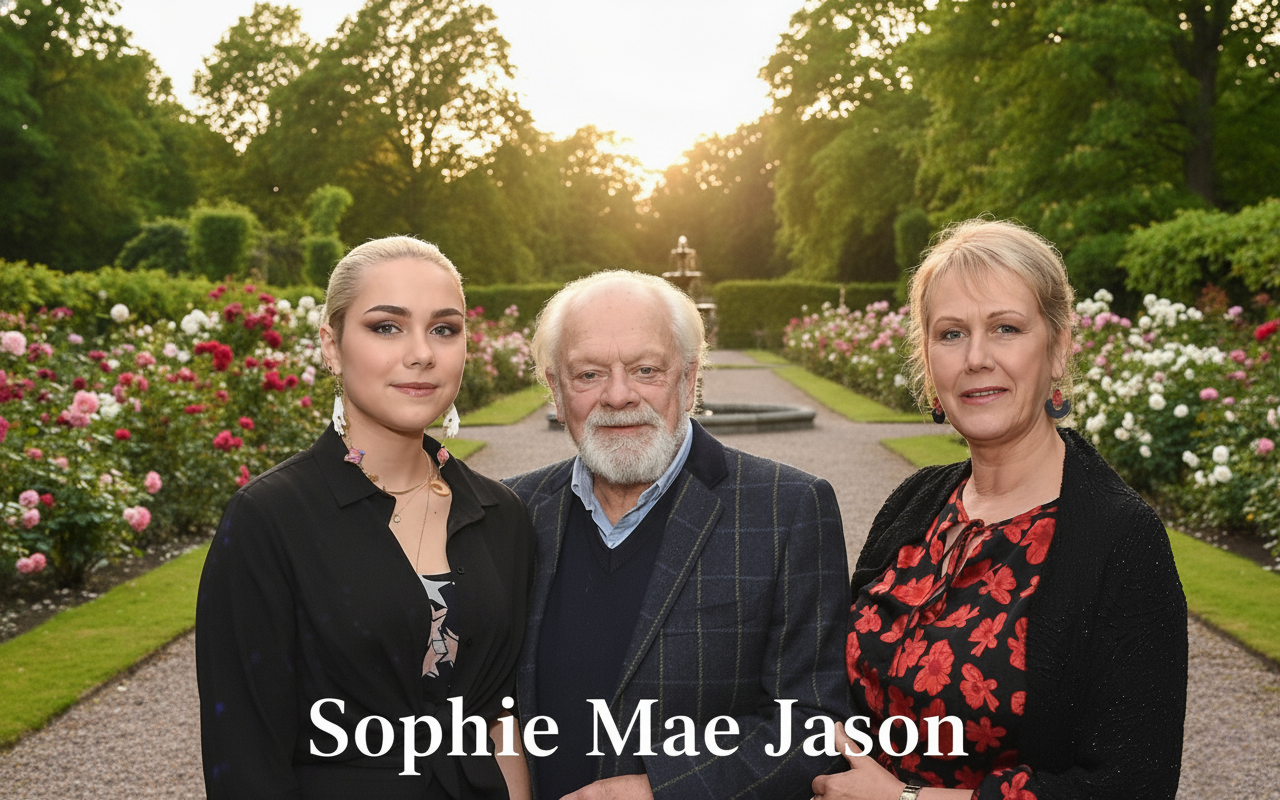
Sophie Mae Jason: A Modern Icon Weaving Tradition with Innovation
Discover Sophie Mae Jason, a rising cultural thinker and creative visionary blending tradition with innovation. Explore her artistic journey, influence, and identity in this in-depth,

Introduction
In a world where individuality and cultural fusion define the boundaries of personal expression, Sophie Mae Jason emerges as a captivating figure who embodies a compelling blend of tradition and innovation. Her journey is a rich narrative of transformation, identity, and authenticity—each layer revealing a deeper commitment to her craft and personal growth. As a rising name associated with creativity and impactful storytelling, she offers a refreshing perspective on modern culture that resonates across global audiences and diverse communities. Whether through her artistic ventures, thought leadership, or cultural advocacy, Sophie Mae Jason stands at the intersection of meaningful representation and contemporary relevance, inspiring others to pursue authenticity in complex times. This long-form feature dives into her journey, uncovering the essence of her identity, influence, and the legacy she’s quietly building—one that’s rooted in heritage yet boldly forward-looking in nature.
Who is Sophie Mae Jason?
Sophie Mae Jason is a multifaceted individual immersed in a dynamic blend of cultural exploration, artistic vision, and innovative thinking. Her identity is shaped by a deep awareness of heritage and a profound desire to create meaningful connections through her work. Whether she’s introducing new ideas in the digital landscape or deepening conversations around identity and belonging, Jason represents a modern archetype—a cultural synthesizer who navigates the complexities of our interconnected world with grace and precision. As a creator, speaker, and thought leader, she is known for threading rich historical contexts into contemporary narratives, blending traditional motifs with modern aesthetics, and advocating for inclusive dialogue across different spheres. Her journey is marked by a tireless pursuit of knowledge, a keen desire to elevate underrepresented voices, and a stylistic approach that is both visually compelling and intellectually grounded.
Read More: Janine tate
Quick Bio Tables
| Attribute | Details |
|---|---|
| Full Name | Sophie Mae Jason |
| Profession | Creative Artist & Cultural Thinker |
| Nationality | Global (Multicultural Influence) |
| Notable For | Bridging Tradition & Innovation |
| Known Mediums | Writing, Visual Art, Cultural Analysis, Digital Media |
| Primary Themes | Identity, Heritage, Modernity, Transformation |
| Attribute | Details |
|---|---|
| Creative Inspiration | Cultural Roots, Personal Journey |
| Core Beliefs | Unity in Diversity, Authentic Expression |
| Style Aesthetics | Bold, Cultural, Futuristic, Poetic |
| Key Messages | Representation, Creative Freedom, Cultural Evolution |
| Audience | Global Thinkers, Creatives, Progressives |
Heritage and Identity
Sophie Mae Jason’s cultural DNA is a tapestry woven from diverse heritages, creating a multidimensional identity that shapes the core of her storytelling and self-expression. Her background reflects the experiences of many in a globalized generation—caught between the comfort of ancestral roots and the thrill of modern exploration. This duality is visible in her creative projects, which often marry symbols of tradition with futuristic elements, illustrating the idea that identity is not static but constantly evolving. Jason’s voice resonates strongly with those seeking connection in an era marked by flux and multiplicity. By honoring her lineage while forging her own path, she communicates that identity is a fluid and dynamic force—something to be celebrated, expanded, and lived. This perspective enables her to push cultural boundaries without losing sight of the values and histories that breathe life into her work, making her not just an artist or thinker, but a bridge between past and future.
Artistic Vision
Jason’s artistic vision is grounded in an intuitive understanding of visual and verbal language, allowing her to craft compelling narratives that are both emotionally resonant and intellectually stimulating. Her work often blurs the boundaries between different creative mediums—mixing illustration, prose, and multimedia to craft immersive experiences. Through purposefully bold compositions and narrative layers, she invites audiences to rethink cultural narratives that have long remained monolithic or static. Her creative process involves intentional introspection, research, and experimentation, resulting in art and ideas that are deeply personal yet universally relevant. This artistic ethos is driven not by aesthetics alone but by a desire to evoke transformation—both in perception and in action. Whether she is presenting at youth forums, participating in online cultural dialogues, or debuting new artwork, Jason’s goal is to challenge assumptions, encourage curiosity, and stoke the embers of imagination.
Digital Influence and Advocacy
In the digital realm, Sophie Mae Jason thrives as a connector—bridging communities, ideas, and generations. Her work leverages digital platforms not simply for visibility but for meaningful exchange. By curating online narratives that elevate marginalized voices and disrupt traditional modes of engagement, she utilizes technology as a cultural tool rather than an end in itself. Her social presence is a thoughtful blend of insight and inspiration, shedding light on conversations around identity, mental wellness, cultural preservation, and creative empowerment. Jason isn’t just a figure in the digital age; she is an architect of its potential—advocating for thoughtful engagement, authentic interaction, and information literacy. In an era where digital landscapes can often feel divisive or superficial, her coherent, grounded voice offers a refreshing alternative: a model for intentional, conscious impact.
Tradition Meets Innovation
The hallmark of Sophie Mae Jason’s work lies in her ability to merge tradition with innovation—a delicate process that she executes with precision and respect. Her projects illustrate how cultural symbols, historical metaphors, and ancestral wisdom can coexist with digital aesthetics, contemporary storytelling methods, and futuristic ideation. This synthesis is more than a stylistic choice; it is a philosophical approach that recognizes the necessity of roots in order to reach towards what’s next. Whether experimenting with augmented reality to reinterpret cultural motifs or using spoken word to explore intergenerational trauma, Jason shows us that transformation doesn’t have to erase the past—it can reinterpret it, empower it, and project it into the future. In doing so, she reshapes traditional frameworks to fit a new global context while honoring the lineage from which they emerge.
Emerging Legacy
Despite her relatively recent emergence in public consciousness, Sophie Mae Jason’s influence is already taking shape in meaningful ways. Her presence encourages other creatives—especially those of intersectional identities—to pursue stories that honor their full legacy without compromise. Her deliberate approach to blending cultural richness with modern relevance demonstrates that personal narratives are powerful tools for connection, understanding, and innovation. Through her advocacy, mentorship, and creative works, Jason is cultivating a new space for collective growth—one where authenticity is not just a trend but a foundational value. Her legacy is still being written, but it carries the promise of becoming a blueprint for future generations seeking to uphold tradition even as they redefine it.
Conclusion
Sophie Mae Jason stands at a rare intersection: where cultural memory collides with forward momentum, and where artistic daring complements philosophical depth. Her journey is a testament to the power of identity as both anchor and compass—shaping not only a personal narrative but a collective blueprint for cultural evolution. For audiences across the world, she represents the kind of bold, reflective voice that’s essential in today’s ever-changing landscape. Through her work, her presence, and her ongoing commitment to authentic expression, Jason invites us into a world where creativity is both a celebration of heritage and a catalyst for the future. Her story continues to unfold, inviting each of us to question, create, and connect—with courage, clarity, and purpose.
FAQs
1. What is Sophie Mae Jason known for?
Sophie Mae Jason is recognized for her unique ability to blend traditional cultural elements with contemporary and futuristic expressions across creative fields such as writing, visual art, and digital media. Her work stands out for its depth, inclusivity, and evocative style, often addressing themes like identity, heritage, mental health, and cultural transformation.
2. How does Sophie Mae Jason influence modern culture?
Jason influences modern culture by fostering conversations around identity and representation, especially within digital and multicultural spaces. Her artistic and analytical approach challenges audiences to consider the impact of heritage in a globalized world while embracing innovation and inclusivity.
3. What themes does Sophie Mae Jason explore in her creative work?
Her creative work delves into themes such as personal and cultural identity, intergenerational memory, emotional resilience, and the navigation of traditional values in contemporary contexts. She often uses symbolic storytelling and mixed media to evoke emotional and intellectual meaning.
4. How does Sophie Mae Jason engage with her audience?
Jason engages with her audience primarily through digital platforms, public speaking, and artistic exhibitions. She encourages dialogue through thoughtful commentary, visually rich presentations, and interactive projects that invite participation and reflection.
5. Where can people learn more about Sophie Mae Jason’s work?
While much of Sophie Mae Jason’s emerging work is shared through online platforms such as social media and digital publications, she also participates in community engagements, creative residencies, and cultural forums. Followers can discover more about her through her digital content, exhibitions, or by attending her public talks or creative showcases.

The story of Mariah Bird is often discussed in the context of fame, legacy, and individuality, yet it carries much more depth than just her family name. Born into a world where public attention naturally followed her family, she has gradually built her own identity through education, professionalism, and a grounded personal life. While many recognize her because of her connection to NBA legend Larry Bird, her journey reflects independence, discipline, and a quiet determination to create her own path.
Over the years, curiosity about Mariah Bird has grown due to her low-profile lifestyle and selective public appearances. Unlike many celebrity family members who pursue media attention, she has maintained a balanced distance from the spotlight, focusing instead on her career in event management and hospitality. This balance between privacy and responsibility makes her an intriguing figure in modern celebrity culture.
Her life represents a blend of privilege and personal effort, where expectations from a famous surname meet individual ambition. As we explore her background, career, and personal values, a more complete picture emerges—one that goes beyond assumptions and highlights her real achievements and identity.
Early Life and Family Background of Mariah Bird
Mariah Bird was born into a well-known American sports family, where her upbringing was influenced by both structure and public recognition. As the adopted daughter of NBA legend Larry Bird and his wife Dinah Mattingly, she grew up in a household where discipline, humility, and privacy were highly valued. Despite the fame surrounding her father, her early life was carefully protected from excessive media exposure, allowing her to experience a relatively stable childhood.
Growing up in Indiana, she was surrounded by strong Midwestern values that emphasized hard work and education. Her family environment encouraged her to focus on personal growth rather than public attention. This foundation played a crucial role in shaping her personality, which is often described as reserved yet confident. It also helped her avoid the common pitfalls associated with growing up in a celebrity household.
Her early years were not centered on fame but on structure and normalcy. While many might assume her life was dominated by luxury and publicity, the reality was quite different. She was encouraged to develop independence, explore her interests, and pursue a path that aligned with her own strengths rather than external expectations.
The influence of Larry Bird’s disciplined mindset also played a significant role. Known for his intense work ethic and focus on performance, he instilled similar values within his family environment. This created a balanced upbringing where ambition was encouraged, but humility remained essential.
Will You Check This Article: Jennifer Quanz: Life, Career, Legacy & Inspiring Journey in Figure Skating
Education and Personal Development
Education played a central role in shaping Mariah Bird’s future direction. She pursued higher studies in hospitality and event management, a field that aligns with her organizational strengths and interpersonal skills. Her academic journey reflected her preference for structured environments where planning, communication, and creativity intersect.
During her educational years, she developed an interest in coordinating large-scale events, managing logistics, and creating meaningful guest experiences. These skills later became the foundation of her professional career. Her ability to work behind the scenes while ensuring smooth execution of events highlights her attention to detail and strong sense of responsibility.
Personal development for Mariah Bird extended beyond academics. She focused on building soft skills such as leadership, teamwork, and adaptability. These qualities are essential in the hospitality industry, where client satisfaction and precision are key. Her calm personality and organized mindset allowed her to thrive in environments that demand both efficiency and creativity.
She also maintained a strong sense of privacy during her educational journey. Unlike many individuals associated with famous families, she avoided unnecessary media exposure and instead concentrated on building a professional identity based on merit. This decision helped her establish credibility in her chosen field without relying on her family name.
Career Path and Mariah Bird in Professional Life
Mariah Bird’s professional journey reflects her dedication to event management and hospitality services. She has been associated with organizing entertainment and guest experience events, particularly in sports and community-based environments. Her work is often centered around ensuring that large gatherings run smoothly, from planning logistics to managing guest interactions.
Her career choice aligns with her personality traits—organized, detail-oriented, and people-focused. Working in event coordination requires multitasking and strong communication skills, both of which she has demonstrated consistently. She is known for contributing to behind-the-scenes operations that enhance audience experiences without seeking public recognition.
One of the most notable aspects of her professional life is her commitment to maintaining a low-profile presence despite her family background. She has successfully built a career that stands on its own merit, rather than leveraging fame for visibility. This approach reflects a strong sense of professionalism and independence.
In the broader context of her career, Mariah Bird represents individuals who prefer impactful but quiet roles. Her contributions in hospitality and event planning may not always be publicly visible, but they play a crucial part in shaping memorable experiences for attendees. This balance between invisibility and impact defines her professional identity.
Mariah Bird and Public Identity in Modern Media
In today’s digital world, public identity often becomes intertwined with media presence, yet Mariah Bird has taken a different approach. Despite being associated with a globally recognized sports figure, she has intentionally maintained a limited presence in mainstream media. This has created a sense of curiosity about her life and personality.
Her public identity is largely shaped by indirect references rather than direct interviews or appearances. Most available information comes from her professional involvement and family association. This selective visibility has allowed her to maintain control over her personal narrative, avoiding unnecessary scrutiny.
The media’s interest in her often stems from her connection to Larry Bird, but she has managed to avoid being defined solely by that relationship. Instead, she is gradually recognized for her own professional contributions in the hospitality and events sector. This separation between family fame and personal identity is a key aspect of her public image.
Her approach to media reflects a broader trend among individuals who value privacy in an age of constant exposure. By limiting her digital footprint, she demonstrates that it is possible to maintain relevance without sacrificing personal boundaries.
Lifestyle, Interests, and Personality Traits
Mariah Bird’s lifestyle is often described as balanced, private, and grounded. She is not known for extravagant public displays or social media visibility, which sets her apart from many individuals connected to high-profile families. Instead, she appears to prioritize meaningful work and personal stability over public attention.
Her interests are believed to align with hospitality, event coordination, and community engagement. These areas require creativity and interpersonal understanding, both of which reflect her personality. She is often associated with calm professionalism and a preference for structured environments where planning and execution matter.
Personality-wise, she is seen as reserved yet highly capable. Those who have worked with her describe her as organized, focused, and reliable. These traits are essential in her field, where attention to detail and time management are critical for success. Her ability to remain composed under pressure further strengthens her professional reputation.
Her lifestyle choices also reflect a desire for privacy and normalcy. Despite her connection to fame, she has chosen a path that avoids unnecessary public exposure. This suggests a strong sense of identity rooted in personal values rather than external validation.
Relationship with Larry Bird and Family Influence
Family plays an important role in shaping Mariah Bird’s life story. Being the adopted daughter of Larry Bird, one of the most iconic figures in basketball history, naturally places her within a legacy of excellence and discipline. However, her relationship with her family is defined more by support and values than by public association.
Larry Bird’s influence is often reflected in her disciplined approach to work and life. Known for his focus and competitive spirit, he created an environment where hard work and humility were essential. These principles appear to have influenced Mariah Bird’s own professional behavior and personal mindset.
Despite the fame surrounding her father, her family maintained a strong emphasis on privacy. This allowed her to grow up without excessive media pressure, giving her the freedom to develop her own identity. The balance between public legacy and private upbringing played a significant role in shaping her personality.
Her relationship with her family highlights mutual respect and grounding values. Rather than relying on fame, she has built her own sense of purpose, which reflects the strength of her upbringing. This connection between family influence and individual independence is central to understanding her life journey.
Achievements, Public Perception, and Influence
Mariah Bird’s achievements are best understood through the lens of her professional contributions rather than public awards or media recognition. Her work in event management and hospitality reflects a consistent ability to deliver organized and successful outcomes in demanding environments.
Public perception of her is often shaped by curiosity rather than direct visibility. Because she maintains a low-profile lifestyle, many people associate her primarily with her family background. However, those familiar with her work recognize her as a capable professional who contributes meaningfully behind the scenes.
Her influence is subtle but present, especially in environments where she has worked in coordination and planning roles. In such spaces, success often depends on teamwork and execution rather than individual recognition. Her ability to operate effectively in this structure highlights her professional strength.
Overall, her achievements demonstrate that influence is not always measured by fame. Instead, it can be reflected in consistency, reliability, and contribution to collective success.
Conclusion
The life of Mariah Bird represents a unique blend of legacy, privacy, and personal ambition. While many recognize her through her family name, her journey reflects a deliberate effort to build an independent identity grounded in professionalism and discretion. She has successfully navigated the expectations of a famous lineage while maintaining a private and balanced lifestyle.
Her story highlights how individuals connected to public figures can still create meaningful careers outside the spotlight. In the case of Mariah Bird, her work in event management and hospitality demonstrates dedication, discipline, and a strong sense of purpose. Ultimately, her life is a reminder that identity is not solely defined by fame but by the choices and values one upholds.
Read More: Cryptoboostly.co.uk

The world of figure skating has produced many elegant and technically gifted athletes, but few have left a quiet yet lasting impression like Jennifer Quanz. Known for her artistry, discipline, and contribution to ice dance, she represents a generation of skaters who balanced athletic rigor with expressive performance. Her journey reflects dedication, early training challenges, and the pursuit of excellence in a highly competitive sport.
In exploring Jennifer Quanz, we uncover more than just competitive records—we see the story of persistence, partnership, and evolution within the skating world. Her career is a reflection of how athletes shape identity through years of practice, international competitions, and artistic expression on ice. This article takes a deep dive into her life, achievements, and legacy.
From early beginnings to her rise in competitive figure skating, Jennifer Quanz stands as a figure of inspiration. Her story is not only about medals or rankings but about passion and resilience that shaped her journey. Let’s explore her life in detail through different dimensions of her skating career and personal development.
Early Life and Foundations of Jennifer Quanz
Jennifer Quanz developed an interest in ice skating at a young age, growing up during a period when figure skating was gaining significant global attention. Like many athletes, her journey began on local ice rinks where curiosity turned into commitment. Early exposure to skating helped her build fundamental balance, coordination, and artistic awareness.
Her training years were marked by discipline and repetition, essential qualities for any aspiring figure skater. Coaches recognized her potential early on, particularly her ability to combine technical precision with expressive movement. This balance would later become a defining feature of her skating identity.
Family support played a crucial role in her development, as competitive skating demands both emotional and financial investment. Her early life set the foundation for a career that would eventually place her among recognized names in American ice dance.
Will You Check This Article: Dream Cazzaniga: Meaning, Origins & Cultural Evolution
Jennifer Quanz and the Rise in Competitive Ice Dance
The competitive journey of Jennifer Quanz began as she transitioned from local training environments to national-level competitions. Ice dance, unlike singles skating, demands perfect synchronization with a partner, musical interpretation, and deep trust. She quickly adapted to these requirements and demonstrated strong potential.
During her rise, she participated in several key competitions that shaped her competitive identity. Each performance refined her technical skills and enhanced her artistic expression. Judges and audiences often noted her elegance and precision on the ice, which distinguished her from other emerging skaters.
This period of her life was also defined by intense training schedules, travel for competitions, and continuous refinement of routines. Her commitment to improvement highlighted the dedication required to succeed in elite figure skating.
Training Discipline and Artistic Development in Jennifer Quanz
One of the defining aspects of Jennifer Quanz’s career was her disciplined training approach. Figure skating requires rigorous daily practice, often including on-ice drills, off-ice conditioning, choreography sessions, and performance analysis. She embraced this lifestyle with consistency and determination.
Her artistic development was equally important. Ice dance is not just about athletic skill but also storytelling through movement. She worked closely with choreographers to create routines that reflected emotion, rhythm, and musical depth. This artistic focus helped her build a distinct presence on the ice.
Over time, she refined her ability to connect with audiences, transforming technical performances into expressive narratives. This balance of athletic and artistic elements became a hallmark of her skating style.
Competitive Highlights and Career Milestones
Throughout her skating journey, Jennifer Quanz achieved several notable milestones that reflected her growth as an athlete. Competing at national championships and international events, she gained recognition for her consistency and performance quality.
Her routines often showcased strong technical elements combined with fluid transitions, which are critical in ice dance scoring. Judges appreciated her precision in footwork and synchronization with her partner, which contributed to her competitive success.
These milestones were not just about rankings but also about personal achievement. Each competition represented years of preparation, sacrifice, and mental resilience. Her career highlights serve as a testament to her dedication to the sport.
Jennifer Quanz and the Evolution of Ice Dance Partnerships
A key element in ice dance is partnership, and Jennifer Quanz experienced firsthand the complexities and rewards of this dynamic. A successful ice dance team relies on trust, timing, and shared artistic vision. Her partnerships played a central role in shaping her competitive identity.
Working closely with a partner requires continuous communication and adaptation. From choreography synchronization to emotional expression, every detail must align perfectly. Jennifer Quanz demonstrated strong adaptability in maintaining harmony within her partnerships.
These collaborations allowed her to explore different skating styles and refine her performance techniques. The evolution of her partnerships contributed significantly to her growth as a professional ice dancer.
Challenges, Setbacks, and Resilience in Jennifer Quanz’s Journey
Like many athletes in competitive sports, Jennifer Quanz faced challenges that tested her resilience. Injuries, performance pressure, and intense competition schedules are common obstacles in figure skating. Navigating these challenges required mental strength and determination.
Setbacks in competition did not define her career but instead contributed to her development. Each difficulty became an opportunity to improve technique, endurance, and performance strategy. This mindset is essential for long-term success in sports.
Her resilience reflects the broader reality of athletic careers, where persistence often matters more than immediate success. Through challenges, she continued to refine her skills and maintain her commitment to ice dance.
Influence, Recognition, and Jennifer Quanz Legacy in Skating
The influence of Jennifer Quanz extends beyond her competitive results. She represents a generation of skaters who contributed to the artistic evolution of ice dance in the United States. Her performances inspired younger athletes and contributed to the sport’s growing popularity.
Recognition within the skating community often comes from consistency, style, and contribution to team dynamics. Jennifer Quanz earned respect for her dedication and artistic interpretation on ice, leaving a lasting impression on audiences and peers.
Her legacy is reflected in the continued appreciation of her performances and the inspiration she provides to aspiring skaters. She remains a symbol of discipline and artistic excellence in the figure skating world.
Conclusion
The journey of Jennifer Quanz in figure skating is a powerful example of dedication, artistry, and resilience. From early training days to competitive achievements, her story reflects the depth of commitment required in ice dance. She demonstrated how athletic performance and artistic expression can merge into a seamless experience on ice.
Jennifer Quanz continues to be remembered for her contribution to the sport, her disciplined approach, and her ability to inspire through performance. Her legacy remains meaningful in the figure skating community, reminding future athletes that success is built through passion, persistence, and teamwork.
Ultimately, Jennifer Quanz stands as a testament to what can be achieved through hard work and artistic vision, leaving behind a career that continues to inspire admiration and respect.
Read More: Cryptoboostly.co.uk
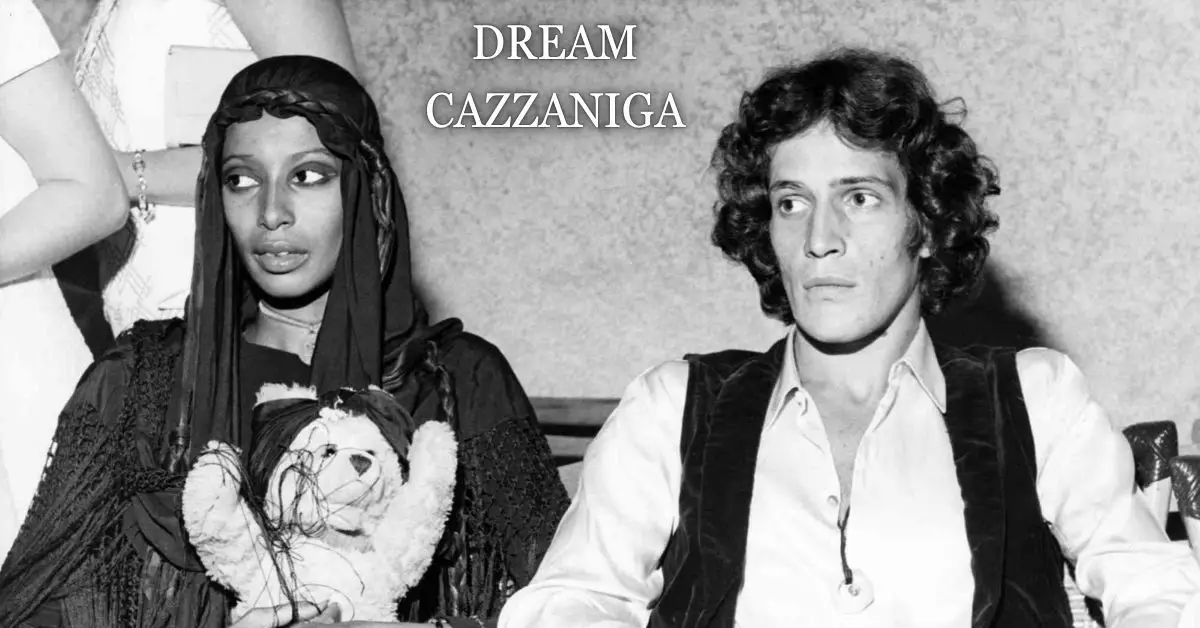
The idea of dream cazzaniga has gradually emerged as a fascinating symbolic phrase that blends imagination, identity, and abstract interpretation of human experience. It represents more than just a name—it often reflects a layered concept tied to creativity, subconscious storytelling, and evolving cultural narratives. In modern discussions of digital art and symbolic psychology, dream cazzaniga has started to gain attention for its mysterious and interpretative nature. Many readers find themselves drawn to it because it feels both personal and universal at the same time. This article explores its origins, meanings, and deeper cultural relevance in a structured and meaningful way. By unpacking its different dimensions, we can better understand why this concept resonates with so many perspectives today.
Origins and Conceptual Foundation of Dream Cazzaniga
The earliest interpretations of dream cazzaniga often link it to abstract storytelling traditions where dreams are used as metaphors for inner transformation. It is not tied to a single historical source but instead emerges from a blend of artistic imagination and symbolic naming patterns. In this sense, dream cazzaniga functions as a conceptual identity rather than a fixed definition, allowing it to evolve freely in different contexts.
Over time, the phrase has been associated with creative experimentation in writing, visual art, and digital expression. Artists and thinkers who explore dream cazzaniga often treat it as a symbolic bridge between reality and imagination. This flexible foundation makes it adaptable to multiple interpretations, which is one reason it continues to attract curiosity and discussion across creative communities.
Will You Check This Article: Coco Fausone: Inspiring Journey, Vision & Impact Unveiled
Dream Cazzaniga as a Symbol of Imaginative Identity
At its core, dream cazzaniga can be viewed as a representation of imaginative identity, where personal dreams merge with symbolic expression. It reflects how individuals construct meaning from subconscious thoughts and emotional experiences. In many interpretations, dream cazzaniga serves as a narrative tool that helps express what cannot easily be explained through logic alone.
This symbolic identity also highlights the human tendency to create meaning through abstraction. When people engage with dream cazzaniga, they often project their own emotions and interpretations onto it, making it a deeply personal experience. As a result, it becomes more than a concept—it transforms into a reflective mirror of thought, creativity, and perception.
Psychological Layers Within Dream Cazzaniga
The psychological depth of dream cazzaniga lies in its connection to dreams, memory, and subconscious processing. It reflects the way the human mind organizes fragmented thoughts into symbolic imagery during rest or introspection. In this context, dream cazzaniga is often interpreted as a mental framework that represents emotional complexity.
Psychologists and creative theorists may associate dream cazzaniga with archetypal patterns found in dream analysis. It embodies the merging of hidden fears, aspirations, and unresolved emotions into a unified symbolic identity. This layered structure allows dream cazzaniga to function as a conceptual tool for exploring the unconscious mind in both artistic and reflective practices.
Cultural Influence and Digital Interpretation of Dream Cazzaniga
In modern digital culture, dream cazzaniga has found a space within online storytelling, visual design, and conceptual art discussions. The internet has amplified its reach, allowing people from different backgrounds to interpret and reshape its meaning. As a result, dream cazzaniga has become a fluid cultural symbol that adapts to digital creativity.
Social platforms and artistic communities often use dream cazzaniga as a thematic reference for experimental content. Whether in writing, visual aesthetics, or multimedia projects, it serves as a flexible idea that encourages innovation. This cultural adaptability ensures that dream cazzaniga continues to evolve alongside modern creative trends.
Dream Cazzaniga in Artistic Expression and Storytelling
Artistic interpretations of dream cazzaniga often revolve around surreal imagery, fragmented narratives, and emotional depth. Artists use it as a conceptual anchor to explore themes such as identity, transformation, and imagination. In storytelling, dream cazzaniga acts as a narrative device that blurs the line between reality and fantasy.
Writers and creators frequently incorporate dream cazzaniga into experimental works that challenge traditional structure. It allows for nonlinear storytelling, symbolic dialogue, and open-ended interpretation. Through this lens, dream cazzaniga becomes a creative catalyst that encourages artistic freedom and conceptual exploration.
Philosophical Meaning and Interpretations of Dream Cazzaniga
From a philosophical standpoint, dream cazzaniga can be interpreted as a reflection of existential inquiry and human perception. It raises questions about identity, meaning, and the nature of imagination itself. Many interpretations of dream cazzaniga suggest that it represents the boundary between reality and constructed thought.
Philosophers and thinkers might view dream cazzaniga as a metaphor for how humans assign meaning to abstract experiences. It symbolizes the ongoing dialogue between consciousness and subconscious reflection. In this way, dream cazzaniga becomes not just a concept, but a philosophical lens through which creativity and existence are examined.
Evolution of Dream Cazzaniga in Modern Creative Spaces
The evolution of dream cazzaniga reflects how abstract ideas adapt within contemporary creative environments. Initially emerging as a symbolic phrase, it has gradually transformed into a flexible concept used across multiple artistic mediums. Today, dream cazzaniga is often associated with innovation, experimentation, and conceptual storytelling.
As digital art and AI-generated creativity continue to grow, dream cazzaniga finds new relevance in shaping imaginative frameworks. It is increasingly used to inspire visual aesthetics, narrative structures, and thematic exploration. This ongoing evolution ensures that dream cazzaniga remains dynamic and relevant in modern artistic discourse.
Conclusion
dream cazzaniga stands as a powerful example of how abstract ideas can evolve into meaningful cultural symbols. It represents imagination, psychological depth, and creative freedom in a way that resonates across artistic and intellectual spaces. The continued exploration of dream cazzaniga highlights its adaptability and enduring relevance in modern expression.
As both a concept and a symbolic identity, dream cazzaniga encourages individuals to explore beyond literal meaning and engage with deeper layers of thought. Its presence in art, philosophy, and digital culture suggests that it will continue to inspire interpretation and creativity for years to come. Ultimately, dream cazzaniga remains a reflection of human imagination at its most fluid and expressive form.
Read More: Cryptoboostly.co.uk
The Mock Audit That Pays for Itself: How Internal RADV Simulations Reduce Real Audit Exposure

Essential Measurement Tools for Electrical Maintenance Teams

Affordable Student Accommodation in Leicester: Where to Live on a Budget

Ben Shephard Wife Illness: What Is Really Known About Annie’s Health And Their Life Together

Mark Redknapp: The Real Story Behind Harry Redknapp’s Low-Key Son